If you love gardening, you know how frustrating it can be when fungal infections strike your plants. These infections, often caused by fungi, can cause significant damage to your garden. While chemical sprays are often used to treat these issues, they can harm your plants and the environment. A safer, more effective alternative? Homemade fungicide sprays made from natural ingredients you likely already have in your kitchen. One of the most powerful and natural options for controlling fungal diseases is baking soda, but there are also other natural remedies you can try.
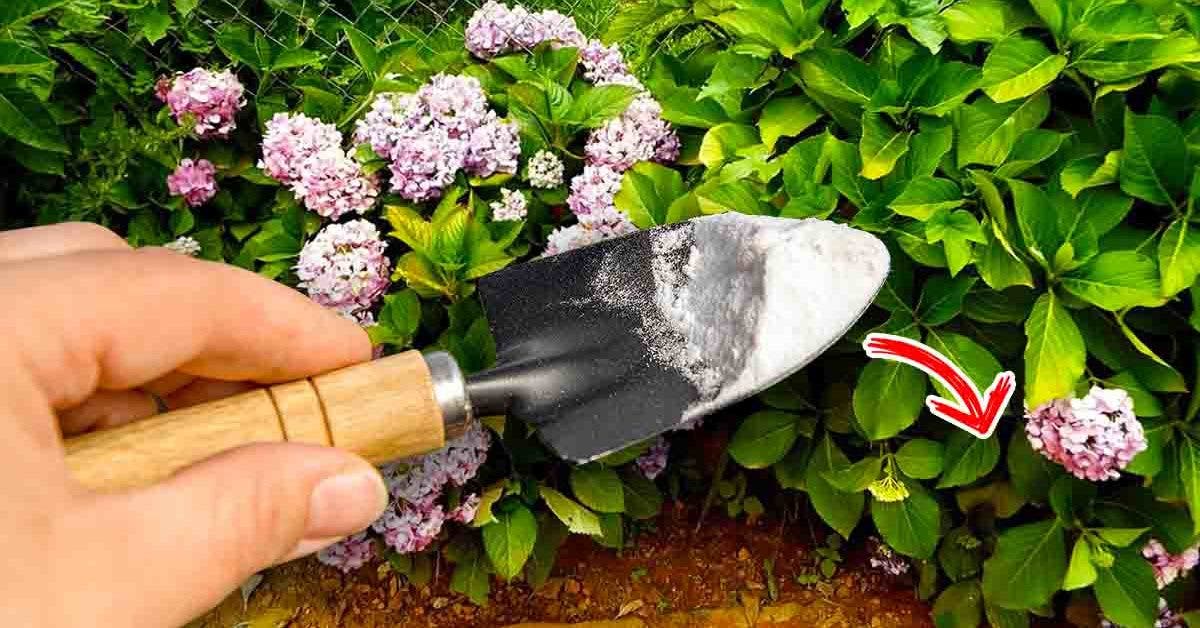
Here are seven natural fungicide recipes that are safer for your plants and the environment.
1. Garlic Fungicide
Garlic is a well-known natural fungicide, especially effective for tomatoes, which are prone to fungal diseases like mildew and leaf mold. Garlic not only helps combat fungi but also deters pests.
Ingredients:
- 1 bulb of garlic
- 2 tablespoons of rapeseed oil
- 4 hot peppers
- Juice of 1 lemon
Procedure:
- Mix the ingredients and let them steep overnight in a bucket.
- Strain the mixture the next day to remove the solids.
- Add 4 tablespoons of this mixture to 1 quart of water in a spray bottle.
- Spray the solution on infected leaves when you notice fungal signs.
2. Apple Cider Vinegar Fungicide
Apple cider vinegar is a simple yet effective solution to fight fungal diseases. This fungicide works well against black spots, leaf spots, and mold.
Ingredients:
- 4 tablespoons of apple cider vinegar
- 1 quart of water
Procedure:
- Mix the vinegar with water.
- Spray the solution on the affected plants early in the day, before the sun is too strong.
This solution works best if applied several days in a row and can even serve as a preventative measure before fungal issues arise.
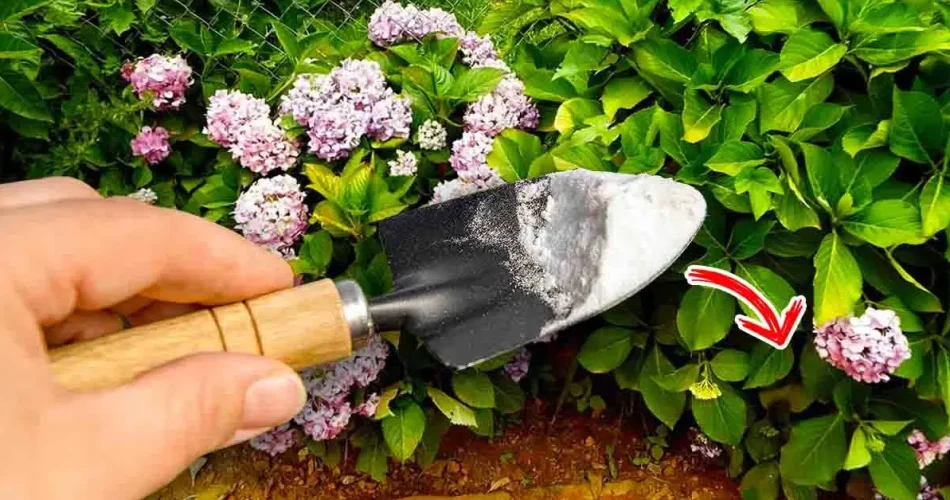
3. Baking Soda Fungicide
Baking soda is a gardeners’ favorite for treating powdery mildew, a common fungal infection. It works by dehydrating the fungi, preventing them from spreading. It can also help eliminate black spots on roses.
Ingredients:
- 4 teaspoons of baking soda
- 1 teaspoon of neutral soap
- 1 liter of water
Procedure:
- Mix all ingredients and pour into a spray bottle.
- Spray all infected leaves, ensuring thorough coverage of the entire plant.
Be careful not to overuse baking soda, as it can deprive plants of important nutrients like magnesium and calcium.
4. Horseradish Fungicide
Horseradish is another powerful fungicide that can be used to treat cryptogamic diseases, which affect plants and fruit trees.
Ingredients:
- 1 cup of horseradish
- 10 liters of water
Procedure:
- Soak the horseradish in water overnight.
- Filter the mixture in the morning and add it to 2 liters of water.
- Spray generously on your plants.
Avoid contact with your eyes when using this mixture.
5. Corn Flour Fungicide
Corn flour can act as a natural herbicide while also serving as a homemade fungicide. It works particularly well when applied to leaves.
Ingredients:
- 1 cup of corn flour
- 5 liters of water
Procedure:
- Mix the ingredients and strain the mixture.
- Spray it directly onto the leaves of your plants.
6. Aspirin Fungicide
Did you know that aspirin can also be used as a fungicide? Its salicylic acid helps promote plant growth and protects plants from various fungi, such as Fusarium and Verticilium.
Ingredients:
- 1 aspirin
- 4 cups of water
Procedure:
- Crush the aspirin and dissolve it in water.
- Spray the solution on your plants every two weeks during the growing season.
This is an excellent option to keep your plants healthy and fungus-free.
7. Daisy Fungicide
The daisy plant not only adds beauty to your garden, but its flowers have natural insecticidal properties that also help keep fungi at bay.
Ingredients:
- A handful of dried daisy flowers
- 4 liters of water
Procedure:
- Grind the dried flowers into powder.
- Soak the powder in water for 24 hours.
- Strain and spray the solution on your plants as a preventative or curative measure against fungi.
How to Use Homemade Fungicides
Before applying the mixture to the entire plant, test it on a few leaves to check for any side effects. You can use these natural sprays as preventative measures at the start of the season or whenever you notice fungal issues developing.
Here are a few tips to ensure the best results:
- Leave enough space between plants to ensure adequate air circulation.
- Water your plants properly, especially during hot summer months.
- Feed your plants and soil regularly to keep them strong and resistant to disease.
- Remove damaged leaves to prevent fungal infections from spreading.
- Avoid allowing infected leaves to rot in the soil.
- Spray your plants every two weeks, especially when using these fungicides as a preventative measure.
By making your own natural fungicides, you can keep your garden healthy and thriving without resorting to harmful chemicals.