Orchids are beautiful indoor plants that add a touch of elegance and greenery to any space. But if you’ve noticed your orchid starting to fade, you might feel discouraged, thinking it will never bloom again. Don’t worry! With the right care and a little patience, you can revive your orchid and watch it bloom once more. Here’s a simple, step-by-step guide to help you care for your orchid and bring it back to life!

1. Cut the Dried Roots and Faded Stems
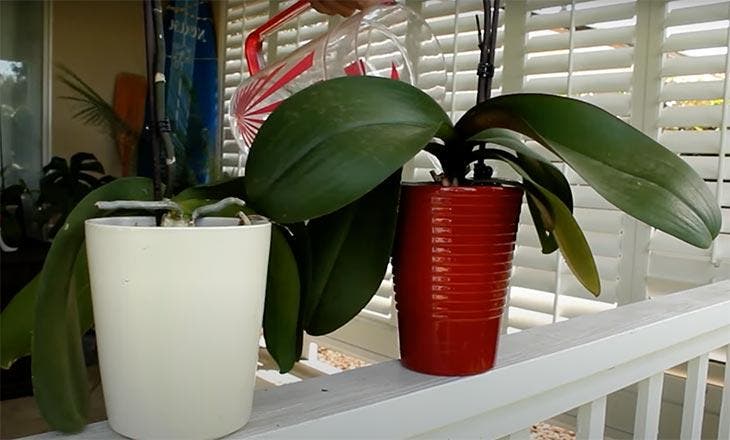
If your orchid is wilting, don’t panic! The first step is to remove the wilted flowers and dried stems. Orchids can bloom multiple times from the same stem, so trimming the faded flowers will encourage new growth. Use sterilized pruning shears to cut the dried roots and stems just above a bud. Once you’ve pruned your plant, avoid watering for about two weeks to allow the orchid to recover.
2. Create a Humid and Bright Environment
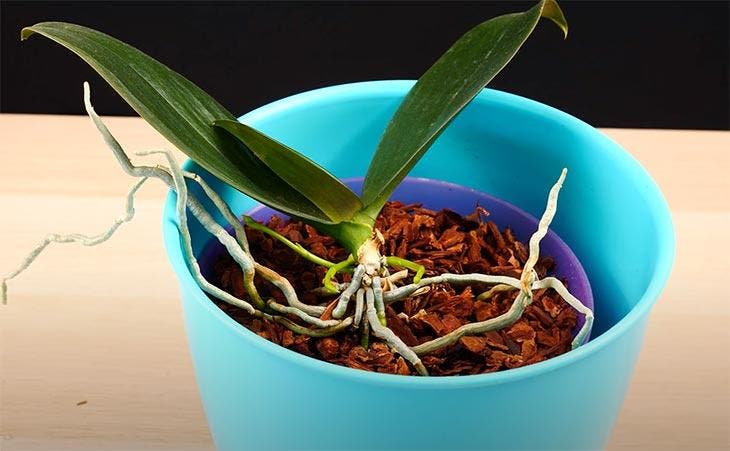
Orchids thrive in humid environments, so make sure to mist the foliage once a day. Be cautious not to overwater, as orchids are sensitive to excess moisture. About once a week, water the pot and ensure the excess water drains away to prevent root rot. Use non-calcareous water (not hard water) for the best results.
Tip: Orchids dislike excessive heat and direct sunlight. If your orchid is placed near a radiator or in a spot with too much sun, move it to a bright but indirect light location. For orchids that haven’t bloomed in months, place them in a room at around 15°C (59°F) for a few weeks to trigger blooming.
3. Use the Right Fertilizer
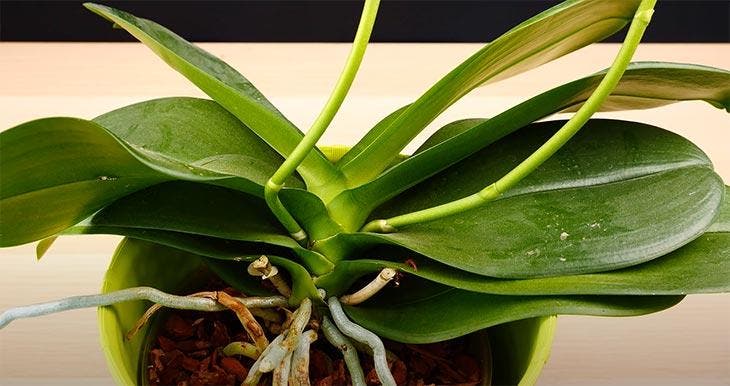
To help your orchid bloom again, fertilizing is crucial. However, it’s important to use the right type of fertilizer:
- Opt for fertilizers specifically designed for orchids.
- Avoid overdosing—dilute the fertilizer and alternate between nitrogen-based and potassium-rich fertilizers.
- After trimming the dried roots, wait about 15 days before fertilizing.
Repeat fertilizing every 10 days in summer and every month in winter. If your orchid still doesn’t bloom, don’t give up—keep trying with the right care.
4. Repot the Orchid to Encourage Growth
Did you know that repotting your orchid can help encourage new growth? Orchids should be repotted every three years. When repotting, choose a larger pot and enhance the soil with materials like coconut fiber, pine bark, rock wool, or perlite to promote good drainage. Carefully plant your orchid, cover the roots, and voilà!
5. Use Natural Fertilizers to Boost Growth
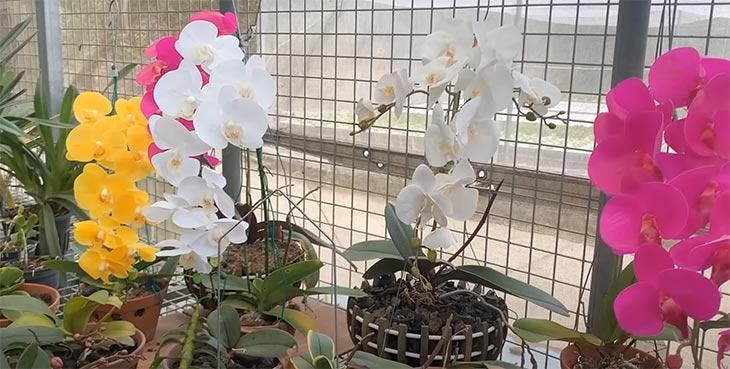
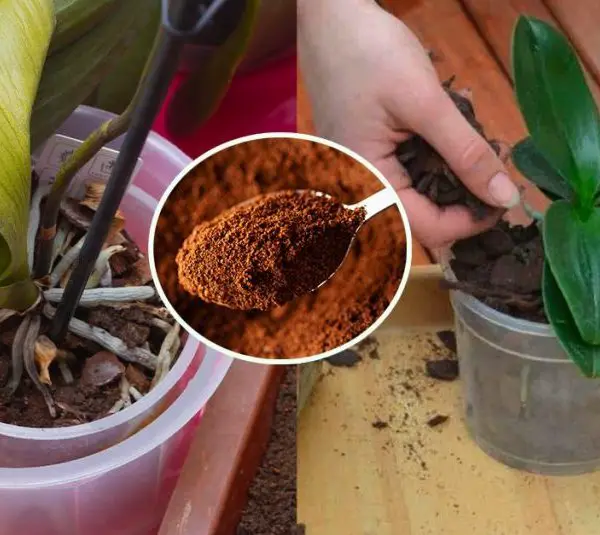
If you’re looking for an eco-friendly way to boost your orchid’s growth, natural fertilizers can work wonders. Banana peels, rich in vitamins and minerals, are a great option. To make a natural fertilizer, soak banana peels in 2 liters of water for about 48 hours, then use it to water your orchid. It’s a nutritious and natural way to feed your plant.
Tip: Similarly, eggshells are rich in calcium and potassium. Crush the shells and sprinkle them at the base of the orchid to give it a nutrient boost.
Conclusion: Your Orchid Will Bloom Again!
By following these simple steps—cutting the dried stems, creating a humid environment, using the right fertilizer, repotting your orchid, and incorporating natural fertilizers—you’ll soon see your orchid bloom again. Orchids require careful attention, but with patience and the right care, they can thrive and fill your home with beautiful flowers once more. Happy gardening!