Indoor plants can be a wonderful addition to your home, but not all plants are suitable for everyone. Some houseplants have an allergenic potential that can trigger a variety of allergic reactions such as contact dermatitis, rhinitis, or even conjunctivitis. If you’re sensitive to allergens, it’s important to be cautious about the plants you keep indoors, especially in the bedroom, where you spend a lot of time. Here are five plants that can cause allergic reactions, making them unsuitable for your bedroom.
Why Do Some Plants Have Allergenic Potential?

Certain plants produce allergens—substances found in their leaves, sap, fruits, or pollen—that can trigger allergic reactions. Flowers, in particular, release pollen into the air, which can cause problems for those with pollen allergies. The symptoms of an allergic reaction to plants can include conjunctivitis, contact eczema, rhinitis, asthma, and hives (red, inflamed patches on the skin).
1. Ficus Benjamina (Weeping Fig)

The Ficus benjamina, or weeping fig, is a popular ornamental plant native to Asia and Oceania. However, its sap contains substances similar to latex, which have high allergenic potential. When the plant’s foliage is disturbed, the allergens are released into the air along with dust, potentially causing allergic reactions such as itchy eyes, skin rashes, or respiratory issues.
2. Yucca Gloriosa
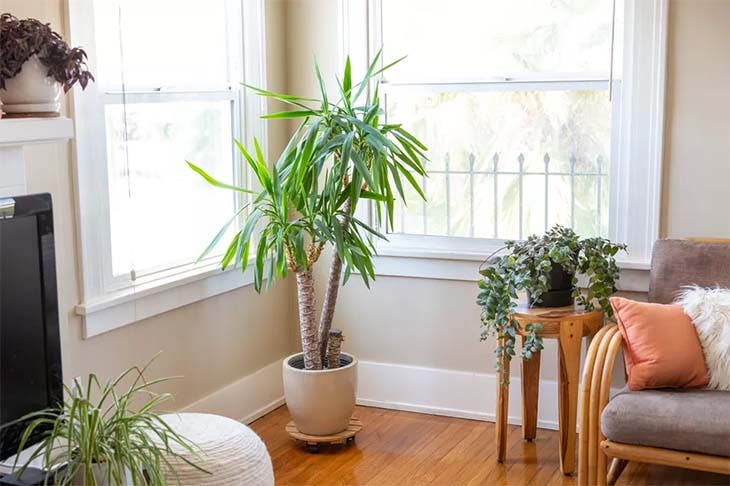
The Yucca gloriosa is a perennial succulent plant that thrives indoors. While the stem and seeds of the plant are edible, the rest of the plant can cause contact allergies or skin irritations. It’s essential to be cautious when handling the Yucca, as its sap or exposure to the plant’s parts can result in allergic skin reactions.
3. Philodendron

The Philodendron is a tropical plant known for its easy maintenance and attractive appearance. However, its sap contains calcium oxalate, which can cause skin irritation and eczema upon contact. Additionally, if the leaves or stem of the plant are ingested, it can lead to swelling of the lips and tongue, a burning sensation, and in some cases, difficulty breathing. It’s important to note that the Philodendron is also toxic to pets, making it a poor choice for homes with animals.
4. Amaryllis
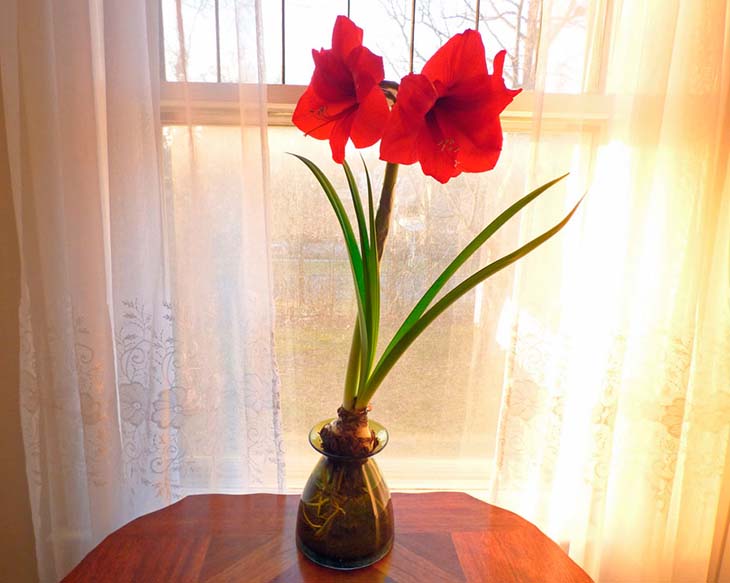
The Amaryllis is a beautiful flowering plant that blooms in vibrant colors. However, it has an allergenic potential, especially due to its bulb, which is toxic, particularly for babies and small children. Ingesting parts of the Amaryllis can lead to diarrhea, vomiting, and dry mucous membranes. The plant can also trigger allergic reactions, especially in individuals with a sensitivity to flowering plants.
5. Chrysanthemum

Known for its colorful blooms, the Chrysanthemum is a perennial flowering plant that can be problematic for people with allergies. The leaves, flowers, and stem of the Chrysanthemum are known to be allergenic and can cause contact dermatitis. Skin exposure to the plant can lead to red eczema or skin rashes, particularly between spring and summer, when the plant is in full bloom.
These five plants are just a few examples of indoor plants that may cause allergic reactions. If you suffer from allergies, it’s best to avoid keeping them in your bedroom or any other space where you spend a lot of time. Be mindful of the potential risks, especially if you have young children or pets in the home. Always opt for plants that are non-toxic and have low allergenic potential to ensure a healthy, safe living environment for everyone.