Gardening has become increasingly popular, with more and more people embracing it as a relaxing and rewarding hobby. Whether you have a sprawling garden in the countryside or a small indoor space in the city, plants can bring life and tranquility to any environment. However, one of the most challenging aspects of gardening is watering plants. Properly managing water intake is crucial for healthy plants. While exposure to the sun and good soil are essential, the way you water your plants can make a significant difference.

Let’s explore why watering from below is a technique you should consider adopting to keep your plants thriving.
Traditional Watering: Watering from Above

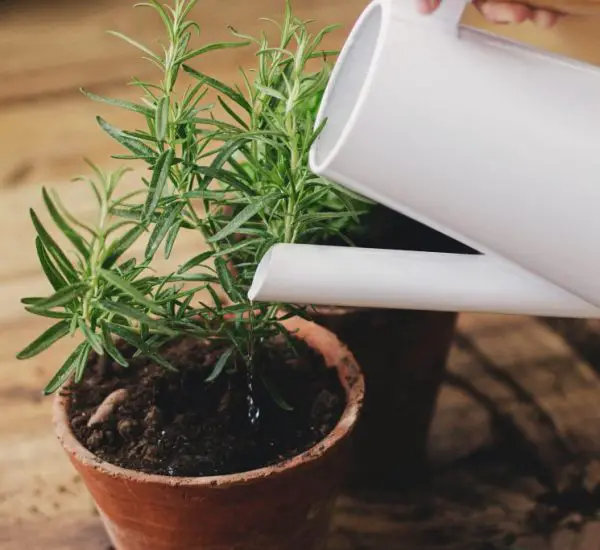
In traditional top watering, you pour water from a watering can onto the soil, allowing gravity to carry the water down to the roots. While this method is commonly used, it comes with some risks. For example, watering the foliage can cause damage to certain types of plants, leaving marks on their leaves or encouraging mold growth on plants with protruding tubers.
Additionally, excess water can accumulate at the bottom of pots, leading to waterlogging. When this happens, the plant’s roots can suffocate, resulting in root rot due to a lack of oxygen. Moreover, excess water can lead to nutrient leaching, where essential nutrients are washed away, making it less effective.
Watering from Below: A Better Method

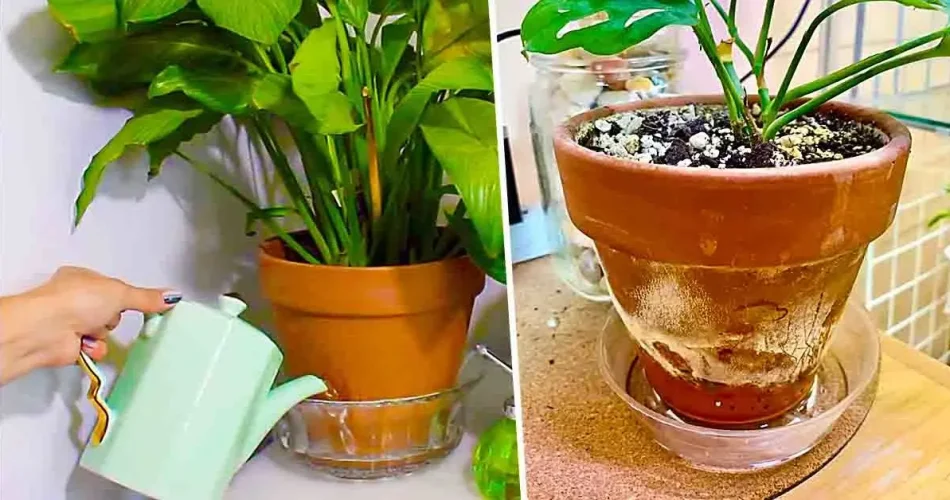
Bottom watering, also known as saucer watering, involves placing a saucer or shallow dish underneath your pot and pouring water directly into the saucer. This method has several benefits over top watering, making it a preferred technique for many gardeners.
Benefits of Bottom Watering:
- Prevents Overwatering: Bottom watering ensures that your plant gets the right amount of water, avoiding the harmful effects of excess moisture.
- Properly Doses Water Intake: The plant can absorb the water at its own pace, reducing the risk of drowning or suffocating the roots.
- Prevents Soil from Becoming Soggy: By avoiding excess water at the top, the soil remains at the right moisture level, preventing the growth of insects like aphids.
- Saves Water: This method uses less water, making it more water-efficient.
- Prevents Nutrient Leaching: When you water from above, the nutrients in the soil can be washed away. Bottom watering allows these nutrients to remain in the soil, benefiting your plant’s growth.
- Ideal for Dry Soil: If the soil is very dry and you haven’t watered in a while, bottom watering is the best method. Water poured from above can run straight to the bottom without reaching the plant’s roots, but bottom watering allows the plant to absorb the moisture through capillary action.
How to Water from Below: Step-by-Step Method
- Fill a watering can with tap water or consider using collected rainwater.
- Pour the water into the saucer underneath your plant pot. The water will rise by capillarity, allowing the plant to drink it from the bottom.
- After 15 minutes, check if the water has been absorbed. If there is no water left, you may need to add more to ensure the plant receives enough.
- Repeat the process by adding a little more water if necessary.
- After about 30 minutes, check the saucer again. If there is still excess water, remove it. Standing water can rot the roots and attract insects, so be sure to empty the saucer.
By incorporating bottom watering into your routine, your plants will enjoy healthier, more vibrant growth. This method ensures they receive the right amount of water without risking the negative effects of overwatering. Give it a try, and your plants will thank you!