If you’ve ever struggled with weeds overtaking your garden, you’re not alone. Keeping a garden green, colorful, and flourishing requires constant care, and when weeds invade, it can feel like an uphill battle. But fear not—there’s a natural solution that works wonders: white vinegar. This everyday household product doubles as an effective, eco-friendly weedkiller. In this article, we’ll walk you through five homemade vinegar-based weedkiller recipes that are simple to make and kind to the environment.

How Does White Vinegar Work on Weeds?
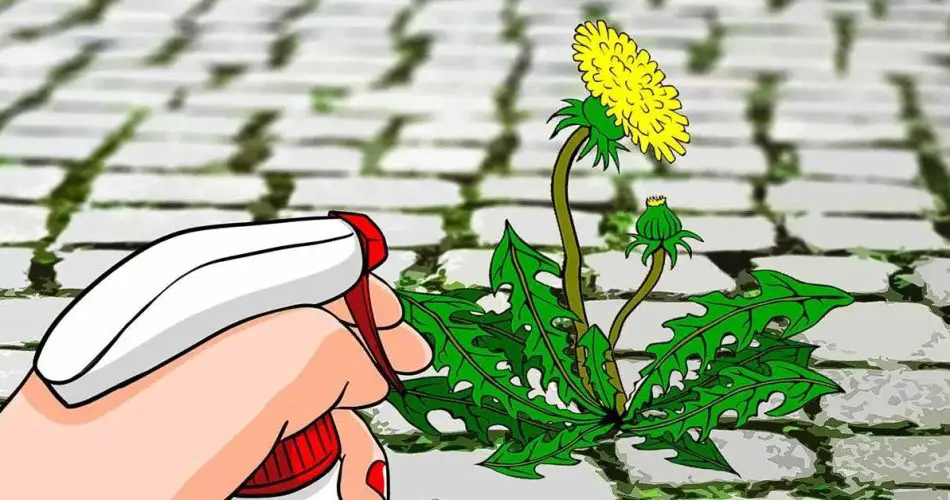
White vinegar contains acetic acid, which, when sprayed on weeds, effectively burns the leaves and stems, leading to their demise. For best results, opt for vinegar with a 20-30% acetic acid content. While it’s a natural and non-selective herbicide, be cautious when applying it. White vinegar can kill other nearby plants if not used carefully. It’s best to apply it on sunny days and avoid spraying it on your beloved garden plants or lawn areas.
5 DIY Vinegar Weedkiller Recipes
You don’t have to resort to harmful chemicals when dealing with weeds—these vinegar-based mixtures will help you eliminate them naturally.
1. White Vinegar, Salt, and Dishwashing Liquid
This powerful combination of salt, dish soap, and white vinegar can kill weeds quickly by dissolving their cell walls and helping the mixture stick to the plants.
Ingredients:
- 1 cup of salt
- 1 tablespoon of dishwashing liquid
- 4.5 liters of white vinegar
How to Make:
- Choose a sunny day for spraying.
- Mix the ingredients in a spray bottle.
- Protect your hands with gloves, then spray the solution directly on the weeds, focusing on the stems and leaves.
How It Works: The salt dehydrates the plant, while the dish soap helps the vinegar adhere to the leaves. According to horticultural expert Blythe Yost, the combination dissolves the cell walls of weeds, making them die faster.
2. White Vinegar, Black Soap, and Epsom Salt
This mixture is incredibly effective at attacking weeds with the combined power of vinegar, salt, and black soap. However, it should be used cautiously near other plants, as it can be very potent.
Ingredients:
- 2 liters of white vinegar
- 30 ml of black soap
- 350 g of Epsom salt (magnesium sulfate)
How to Make:
- Mix the ingredients and pour them into a spray bottle.
- Spray directly onto the weeds you want to eliminate.
How It Works: The black soap helps the vinegar adhere to the weeds, while the Epsom salt dehydrates the foliage and roots. This creates a radical solution for weed control.
3. Vinegar and Essential Oils
For an aromatic twist, try combining white vinegar with clove, orange, or basil essential oils. This mix not only smells great but is effective at eliminating weeds.

How to Make:
- Mix 1 tablespoon of clove, orange, or basil essential oil with ½ liter of white vinegar.
- Apply the solution to weeds using a spray bottle.
How It Works: The essential oils, combined with vinegar, enhance the weed-killing effect and give off a pleasant fragrance.
4. White Vinegar and Baking Soda
This simple yet powerful duo—baking soda and white vinegar—works wonders at burning weeds and dehydrating their roots.
Ingredients:
- 1 part baking soda
- 2 parts white vinegar
- Lemon juice (optional)
How to Make:
- Mix the ingredients and pour the solution into a spray bottle.
- Spray directly on the weeds, especially on young shoots.
How It Works: The vinegar burns the leaves, while the baking soda dries out the roots, helping to eliminate the weeds effectively.
5. White Vinegar Alone
If you’re looking for a quick and easy solution, you can use white vinegar on its own. Just be sure to dilute it to 10% acetic acid for the best results.
How to Use:
- Spray the diluted white vinegar directly on the weeds.
How It Works: The vinegar will burn and dehydrate the weeds, killing them without any added ingredients.
When to Weed the Garden

To achieve the best results when weeding, timing is key:
- After Rain or Watering: Wait until the soil is soft and damp. This makes it easier to remove stubborn roots.
- Tools: Use a scraper or appropriate gardening tools to clean the joints between paving stones, and don’t forget to sweep away any debris.
FAQ: Other Ways to Weed the Garden
Besides vinegar, there are other natural weeding methods you can try:
- Mechanical Weeding: Use tools like hoes or hand weeding to manually remove weeds.
- Thermal Weeding: This method involves using heat to create a thermal shock that destroys the plant cells.
When to Weed an Uncultivated Garden?
For a garden that’s been left to fallow, it’s best to weed in winter. This gives you enough time to clear the soil and prepare it for planting in the spring.
Conclusion
With these five homemade vinegar weedkiller recipes, you can tackle weeds effectively without harming your health or the environment. Whether you’re dealing with stubborn weeds on your patio or invasive plants in your garden, white vinegar offers a natural, eco-friendly solution to keep your garden looking pristine. So, next time those pesky weeds show up, reach for the vinegar and start spraying!