Clover often receives mixed reviews—some gardeners love it, while others see it as a pesky weed. But despite its bad reputation, clover has numerous benefits that can greatly enhance your lawn. From drought resistance to providing a lush green color all year round, clover is a plant worth considering. By the end of this article, you’ll understand why clover is a valuable addition to your garden and how to successfully sow it for a healthier, more vibrant lawn.

Why Plant Clover in the Lawn?
Although often labeled a weed, clover offers a wealth of advantages for your garden. Here’s why you should consider planting it:
- Natural Fertilizer: Clover has the unique ability to fix nitrogen from the air, converting it into ammonium, which is absorbed by the grass. This enriches your lawn naturally, promoting greener and more robust grass without the need for expensive synthetic fertilizers.
- Support for Pollinators: The flowers of clover attract pollinators like bees, helping to create a biodiverse ecosystem in your garden.
- Drought Resistance: Clover is highly resilient in dry conditions, keeping your lawn green even during heatwaves.
When and How to Sow Clover?
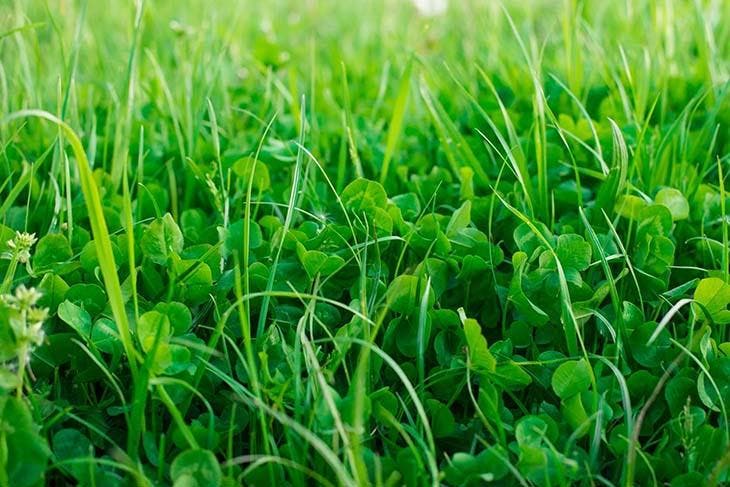
If you’re lucky enough to already have clover in your yard, leave it be and enjoy its benefits. If not, adding it to your garden is easy with a few simple steps:
- Timing: The best time to sow clover is early spring, just after the last frost. This allows the plant to take root and grow before the heat of summer.
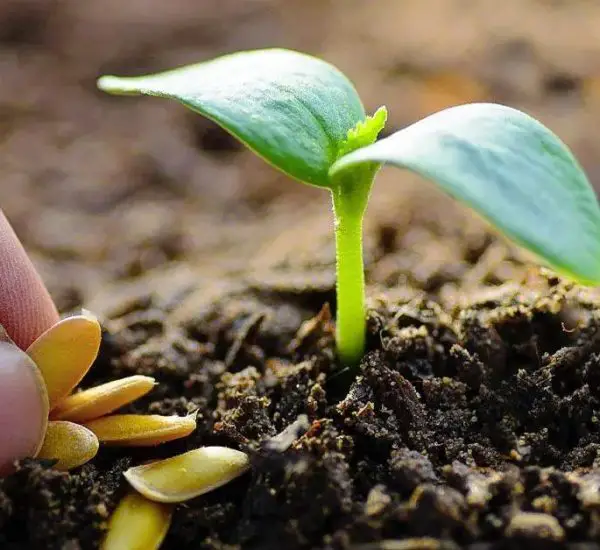
- Soil Preparation: Ensure the soil is well-aerated and moist to promote germination. Clover seeds usually take about two weeks to sprout.
- Re-seeding: For optimal growth, reseed your clover every 2-3 years to maintain a healthy lawn.
What is the Best Variety of Clover for a Lawn?
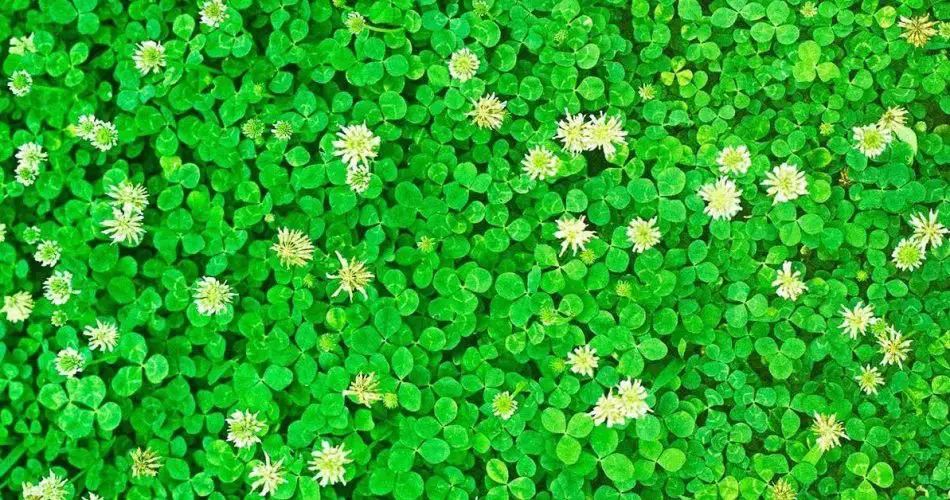
Although many types of clover can thrive in a lawn, the most common variety is Dutch white clover. However, its large leaves and tall growth can overwhelm a sparse lawn. For a more subtle, low-growing option, consider planting “Pipolina” clover (or micro-clover). This variety blends well with grass and remains small, making it an ideal choice for lawns that need a balance of greenery.
If you have too much clover, simply remove some and sow it in bare patches of your lawn to fill gaps.
How to Sow Dwarf White Clover in the Lawn?
If you’re interested in sowing dwarf white clover, which is particularly good for biodiversity and pest control, follow these simple steps:
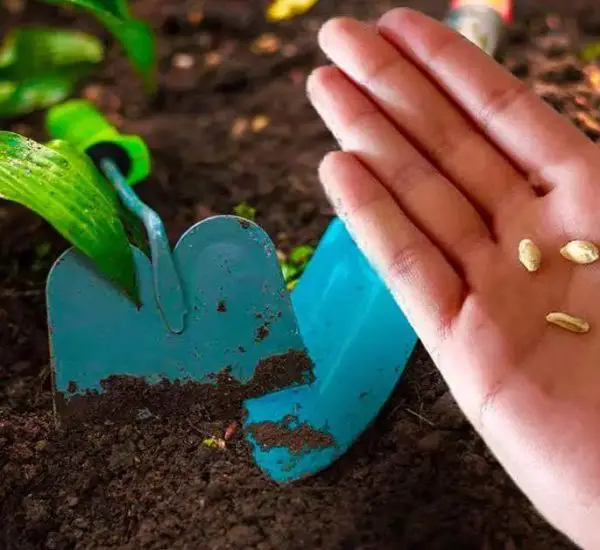
- Prepare the Soil: Lightly rake the soil to create a good seedbed.
- Seed: Scatter the seeds evenly across the soil.
- Water: Keep the area moist to accelerate germination, which typically occurs in 2-3 days, but can take up to 7-10 days depending on the temperature.
The Benefits of Clover on the Lawn
If you’re still unsure about planting clover, here are 8 excellent reasons to give it a try:
- Natural Fertilization: Clover fixes nitrogen in the soil, reducing the need for expensive chemical fertilizers.
- Disease Resistance: Clover helps prevent diseases like lawn rust and yellow grass by enriching the soil with minerals that strengthen the grass.
- Weed Control: As a dense ground cover, clover helps crowd out weeds like dandelions and violets, reducing the need for herbicides.
- Erosion Prevention: Clover’s deep roots hold the soil together, preventing erosion during harsh weather.
- Low Maintenance: A clover lawn requires less watering, fertilizing, and pest control, saving you time and money.
- Reduced Pest Infestation: Clover helps keep insects like white worms at bay, contributing to healthier grass.
- Improved Aeration: Clover naturally aerates the soil, reducing compaction and improving the overall health of the lawn.
- Biodiversity: By attracting pollinators and providing habitat for insects, clover helps support a diverse ecosystem in your garden.
Conclusion
Clover may not always be the first plant you think of when considering lawn care, but its many benefits make it an excellent choice for creating a lush, healthy, and low-maintenance lawn. By following the simple steps to sow and care for it, you can enjoy a greener, more sustainable garden while saving time and money on fertilizers and pesticides. So, why wait? Add some clover to your lawn today and enjoy its many rewards!