Plants can add beauty and life to any home or garden. Whether it’s the vibrant colors of blooming flowers, the fragrance of aromatic herbs, or the soothing green tones of foliage, plants bring joy and serenity. But while most plants are harmless and easy to care for, there are some hidden dangers that many people overlook. One such plant is the narcissus, a seemingly harmless and charming bulbous plant that could pose serious risks to both humans and pets.
The Narcissus: A Lovely But Dangerous Plant
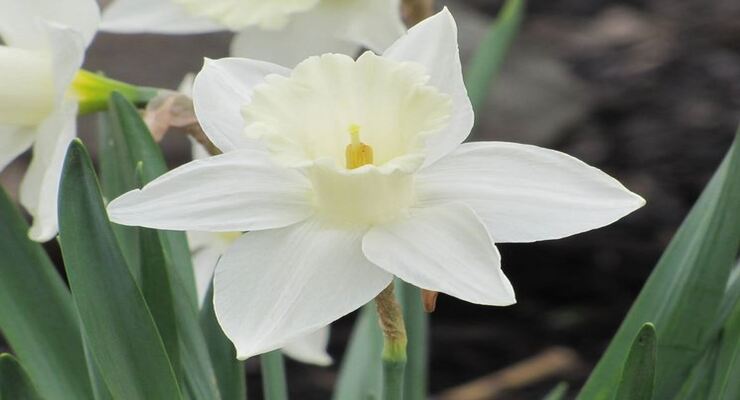
Narcissus, also known as daffodils, are commonly found in spring gardens and as decorative plants on balconies and windowsills. Their delicate flowers and sweet fragrance are enough to make anyone smile. But beneath their beauty lies a toxic reality that not everyone is aware of.
While it is a well-loved plant, narcissus has toxic parts that can be dangerous to humans and animals, especially when ingested. Many homeowners and garden enthusiasts may not realize just how hazardous these beautiful plants can be.
The Narcissus: A Common Yet Toxic Bulb
The narcissus plant, originating from tropical forests, is known for its vibrant yellow and white flowers that bloom in spring. It’s often associated with the start of the season, and in many cases, various species of narcissus bloom at different times of the year, allowing for year-round beauty. Varieties like “Paperwhite” and “Tete-à-Tete” are particularly popular for their fragrance and adaptability to indoor environments.
However, despite its beauty, narcissus contains toxic compounds, especially in the bulbs, stems, and flowers. These parts contain alkaloids that are poisonous if consumed. This is especially important to note if you have pets or small children in your home or garden.
Toxicity Risks: What You Need to Know
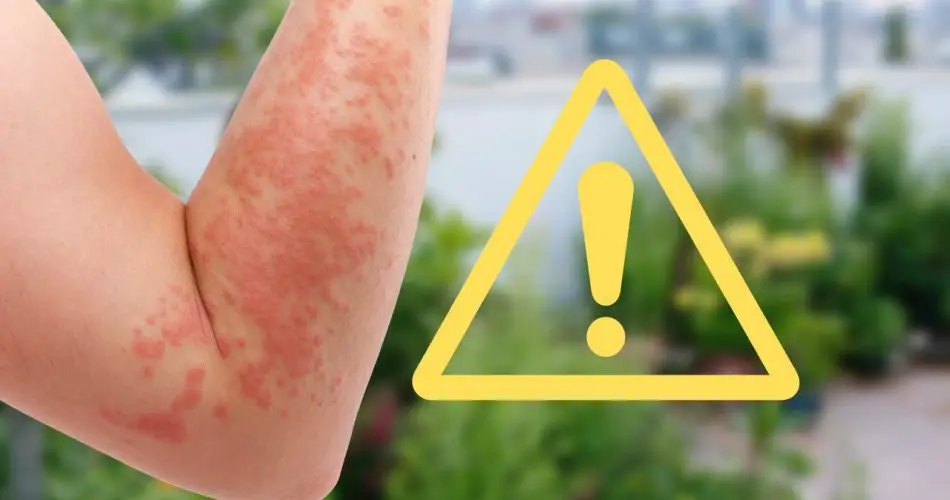
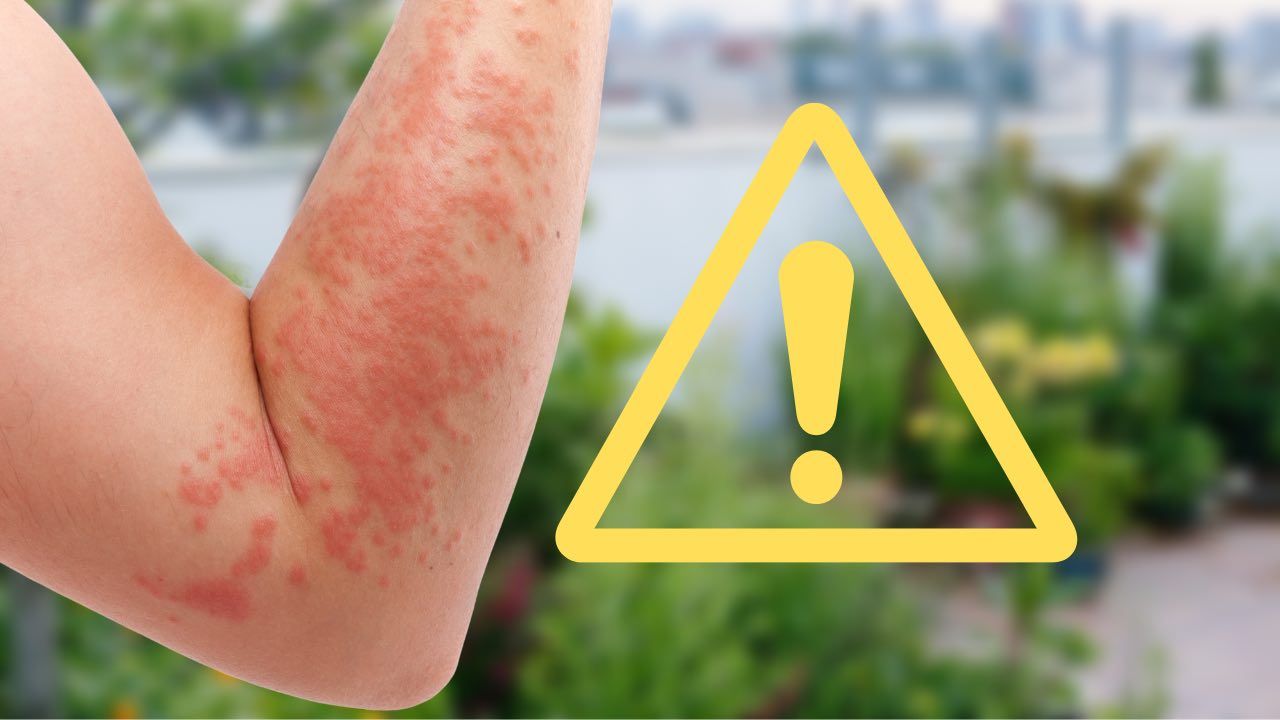
It’s important to handle narcissus carefully, particularly when doing gardening work. The plant’s toxic nature means that gardeners should use protective gloves and avoid touching their face, especially their eyes, after handling the plant. If you do get the plant’s sap or juice on your skin, it could cause irritation or even a rash in some cases.
But the risks extend far beyond simple contact. Ingestion of any part of the narcissus plant can cause severe health issues, including:
- Intestinal inflammation
- Neuronal disorders
- Nausea and vomiting
- Diarrhea
- In some cases, death if not treated promptly
If a pet or child ingests any part of the narcissus, immediate action is crucial. Even if symptoms are not immediately visible, you should always seek medical attention or contact a veterinarian within 24 hours. Delaying treatment could result in serious health complications or even be fatal.
What to Do if Ingestion Occurs
If you suspect that a pet or child has ingested narcissus, don’t wait for symptoms to appear. Contact a veterinarian or poison control immediately, even if the animal or person shows no signs of distress. Ingestion of the plant can lead to serious long-term health issues, so timely intervention is critical to avoid potentially life-threatening situations.
Keeping Your Narcissus Safe in the Garden

For those who love the beauty of narcissus but also want to protect their loved ones (both human and animal), placement is key. Here are some important precautions to keep in mind:
- Keep narcissus out of reach of children and pets, particularly curious animals like cats and dogs, who may be inclined to nibble on plants.
- Consider placing the plants in high spots, like shelves or raised garden beds, where animals can’t access them.
- If you have a dog, cat, or other pets that roam freely in the garden, it’s especially important to plant narcissus in secure areas.
How to Care for Your Narcissus Safely
While narcissus can be a bit tricky to grow, it’s not difficult to manage if you know the basics. To grow narcissus successfully, you’ll need a deep, wide pot with a well-drained soil mix. These plants thrive in both cold and warm temperatures and need regular watering during the blooming season. However, remember that during the vegetative period (usually from late summer to early fall), watering should be reduced.
Here’s a quick guide for planting narcissus:
- Plant the bulbs in well-drained soil, about 25-30 cm apart.
- Ensure the bulbs are buried with the tip facing upwards.
- Place in a cool, dry spot and water regularly until the blooms appear.
- In warmer months, reduce watering when the leaves turn yellow, indicating the plant is entering its dormant phase.
Conclusion: Be Cautious with the Narcissus Plant

The narcissus is undeniably a beautiful and fragrant plant that adds a touch of elegance to any garden or home. However, its toxicity should not be underestimated. Ingestion can lead to serious health complications for both humans and pets, and it’s essential to handle the plant with care. Always use protective gloves, and if you have pets or small children, be extra cautious about where you place the plant. With a little attention, you can enjoy the beauty of this poisonous plant while keeping everyone safe.