Basil is a beloved herb found in kitchens, gardens, and balconies all around the world. Its aromatic leaves are a key ingredient in many dishes, from simple salads to gourmet pastas, adding flavor and freshness. But while basil is relatively easy to grow, one mistake many gardeners make is overwatering or watering it incorrectly, which can cause the plant to rot and die.
Basil: A Common Mistake Many People Make

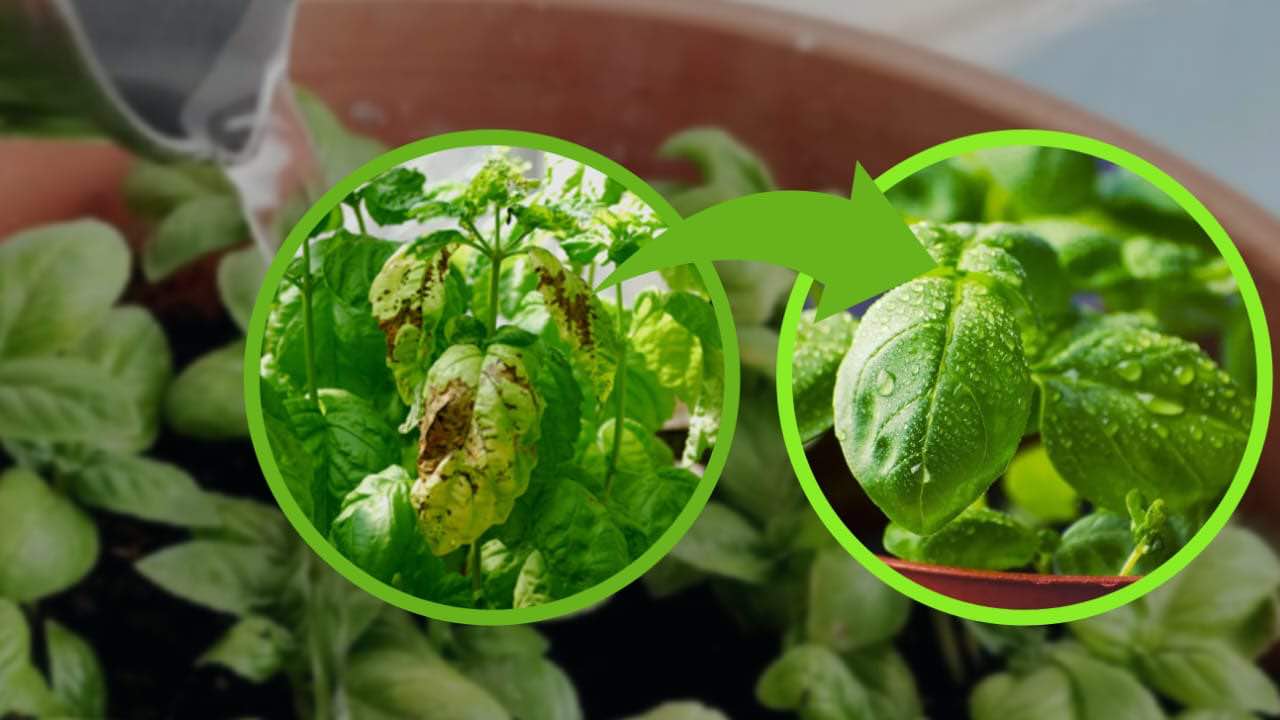
Basil is often seen as a low-maintenance plant, but it still requires careful attention—especially when it comes to watering. Overwatering is one of the biggest mistakes that can damage your basil plant. In fact, many people water their basil too often or in large amounts, leading to soggy soil that promotes root rot and yellowing leaves. Basil thrives in a well-drained, slightly moist environment, not in standing water.
How to Water Basil Correctly
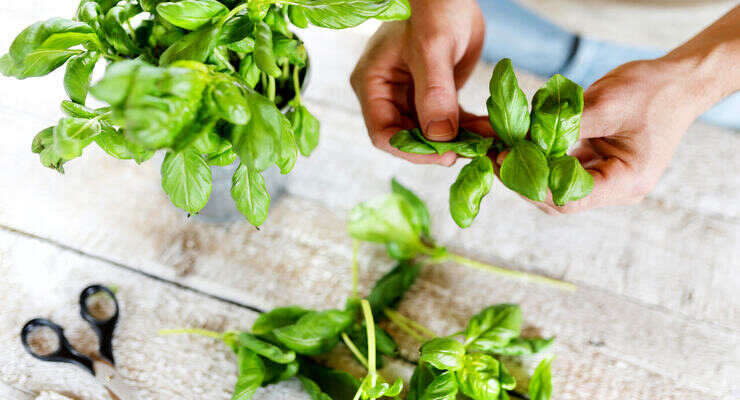
Basil needs the right amount of water at the right time. Overwatering can suffocate the roots, leading to yellowing leaves and eventual death. The key to proper basil care is to water it when the soil feels dry to the touch, especially during the summer months. If you’re unsure, simply touch the soil around the base of the plant. If it feels dry 2–3 cm below the surface, it’s time to water. If the soil still feels damp, hold off and wait until it dries out a bit more.
- DO: Water basil when the soil is dry.
- DON’T: Water basil if the soil is still moist from the previous watering session.
What Happens If You Water Basil Too Much?
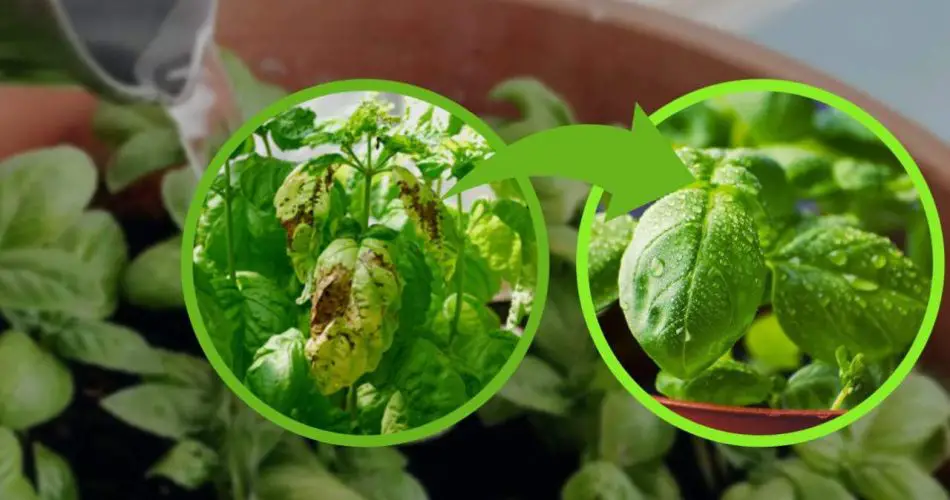
Excess water can be as damaging to basil as neglecting it altogether. Overwatering can cause the roots to rot, which, in turn, leads to unhealthy, wilted, and yellow leaves. Basil plants affected by overwatering may also develop a moldy or foul odor in the soil, signaling that the roots are decaying.
If your basil’s leaves begin to yellow or blacken, or if the plant seems limp and weak, you may be dealing with overwatering. In this case, it’s essential to act quickly:
- Prune away any affected leaves.
- Allow the plant to dry out by removing excess water or moving it to a dryer spot.
- If the plant is in a pot, ensure the pot has adequate drainage.
How to Prevent Overwatering and Promote Healthy Growth
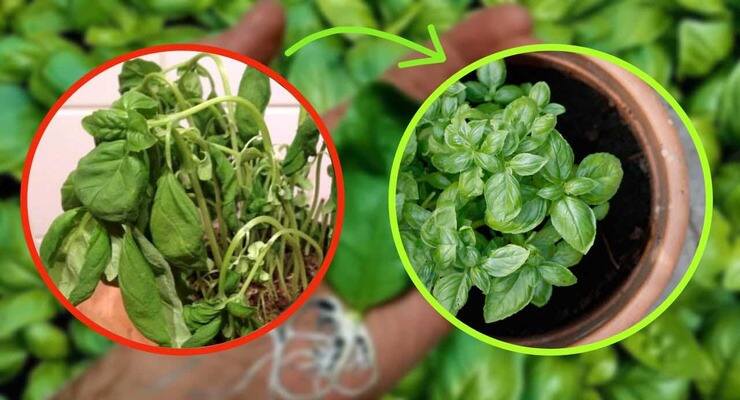
Here are some simple tips for ensuring your basil thrives and avoids water-related problems:
- Ensure Proper Drainage: Always plant basil in a pot with drainage holes to allow excess water to escape. This helps prevent water from pooling at the bottom and causing root rot.
- Soil Matters: Basil prefers well-draining soil. A mix of universal soil and sand (not too fine) works best for basil. Avoid heavy, clay-based soils that trap moisture.
- Watering Frequency: Water basil sparingly. Only water when the soil feels dry, and ensure that water doesn’t collect in the saucer underneath the pot.
How to Water Basil When You’re on Vacation
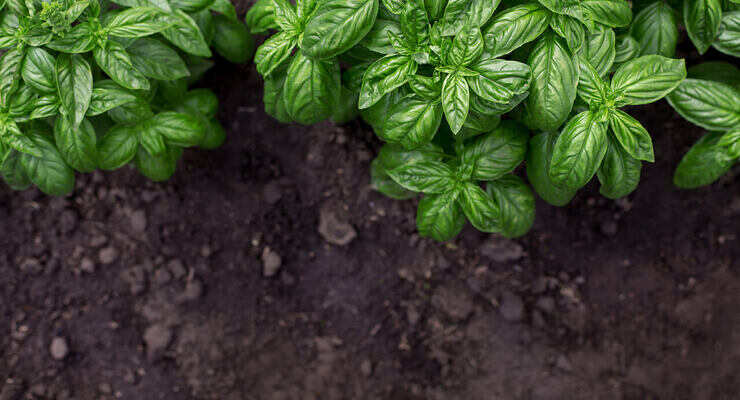
During the summer, basil requires consistent care, especially if you’re going on vacation. If you’re going to be away and don’t have someone to water your plants, there are several economical methods to ensure your basil gets just the right amount of water.
DIY Watering with Bottles
One of the most simple and cost-effective methods for watering basil while you’re away is using an upturned plastic bottle. This method allows the water to seep slowly into the soil, providing hydration without overwatering.
- Take a plastic bottle and make small holes in both the cap and the bottom of the bottle.
- Fill the bottle with water and then insert it into the soil, making sure the cap is buried in the soil.
- The water will gradually trickle out, ensuring the soil stays moist without becoming waterlogged.
This simple trick can keep your basil alive for days without requiring a green thumb or complicated watering system.
Using Drip Irrigation Systems
If you need a more sophisticated solution, consider investing in a drip irrigation system. These systems are programmable and can be set to water your basil (and other plants) at regular intervals. Some of these systems are even powered by solar energy, making them both eco-friendly and convenient. However, they are more costly than the DIY bottle method and may be better suited for those with multiple plants or who travel frequently.
Final Tips for Thriving Basil Plants
To keep your basil plant lush and healthy, follow these additional tips:
- Location: Basil loves sunlight, so place it in a sunny spot for at least 6 hours a day, but avoid letting it sit in direct, scorching afternoon heat.
- Temperature: Basil thrives in warm weather, but be mindful not to expose it to temperatures below 50°F (10°C).
- Pruning: Regularly prune basil to prevent it from becoming leggy and encourage new growth. Pinch off any flower buds to keep the plant producing fresh leaves.
Conclusion: Careful, Consistent Watering Is Key
Basil is an easy-to-grow herb, but like all plants, it requires careful attention—especially when it comes to watering. Avoid overwatering, ensure your plant is in a well-drained pot, and always check the soil before giving it more water. By following these simple tips, your basil will stay healthy, vibrant, and full of flavor, ready to enhance your cooking all season long.