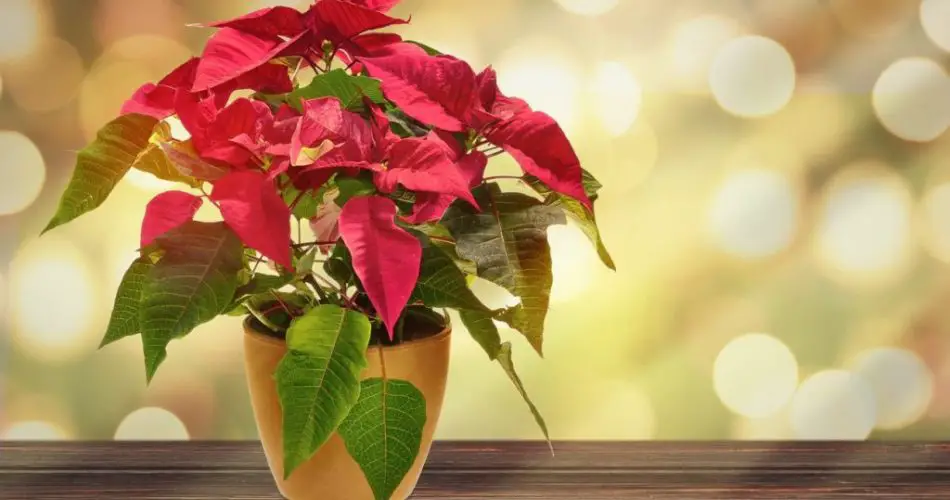
The poinsettia (Euphorbia pulcherrima) is a beloved holiday plant, known for its brilliant red leaves and elegant appearance. While many view it as a seasonal decoration that fades after the holidays, with the right transplant and proper care, the poinsettia can thrive for years and bloom beautifully every season. Here’s a step-by-step guide on how to transplant it and ensure it lasts for years to come!
When to Transplant a Poinsettia
The best time to transplant your poinsettia is in spring, after it has finished flowering and its colored leaves have fallen off. This is the plant’s vegetative rest period, making it the ideal time for transplanting.
Required for the Transplant
- A larger pot (2-3 cm larger in diameter than the current one)
- Well-draining soil
- Expanded clay or small stones for drainage
- Sterilized scissors
- Gloves (poinsettias release a white latex that can irritate the skin)
How to Transplant a Poinsettia: Step by Step
- Prepare the New Pot
Choose a pot with drainage holes to avoid water buildup. Place a layer of expanded clay or stones at the bottom for proper drainage. - Remove the Plant from the Old Pot
Wear gloves to protect against the latex. Gently remove the plant, pressing lightly on the sides of the pot if needed to loosen the soil. - Check the Roots
Examine the roots carefully. Use sterilized scissors to cut away any damaged or rotten roots. Shake the root ball lightly to remove excess soil. - Place the Plant in the New Pot
Add a layer of fresh potting soil to the new pot. Place the poinsettia in the center and fill around it with more soil, ensuring that the base of the stem is slightly above the surface of the soil. - Water Sparingly
Water the plant with room-temperature water, but don’t over-saturate the soil. Allow it to dry out before watering again.
Post-Transplant Care
- Positioning: Place the poinsettia in a bright spot but away from direct sunlight, avoiding drafts and sudden temperature changes.
- Watering: Water only when the soil is dry to the touch to avoid root rot.
- Fertilization: Start fertilizing with a liquid plant fertilizer designed for green plants every 2-3 weeks starting in spring.
- Pruning: Remove any dry leaves or branches to encourage new growth.
How to Make It Bloom Again the Following Year
To trigger re-blooming, you need to simulate the plant’s natural light cycle:
- October-November: Keep the plant in a dark place for about 14 hours each day (cover it with a box or move it to a dark room).
- During the day, expose it to natural light for 8-10 hours.
- After about 8 weeks, the poinsettia will begin to produce its iconic colored leaves.
Why Transplanting Is Worth It
- Longevity: A properly transplanted and cared-for poinsettia can live for years, becoming a lush and vibrant plant.
- Savings: Avoid buying a new plant each year, saving you money and helping reduce waste.
- Satisfaction: There’s great satisfaction in seeing your poinsettia bloom again after your care and effort.
Transplanting your poinsettia is the first step to ensuring it becomes a long-lasting part of your home. With a little care and the right environment, your poinsettia will reward you with its beautiful colors for years to come. Follow these simple steps and enjoy your vibrant poinsettia year after year! 🌸