Purslane, often dismissed as a mere weed, is actually a valuable resource both in the garden and in the kitchen. Known for its resilience and nutritional benefits, this humble plant is a true “goldmine” that should not be overlooked. Discover why purslane is so special and how to make the most of it!
What is Purslane?
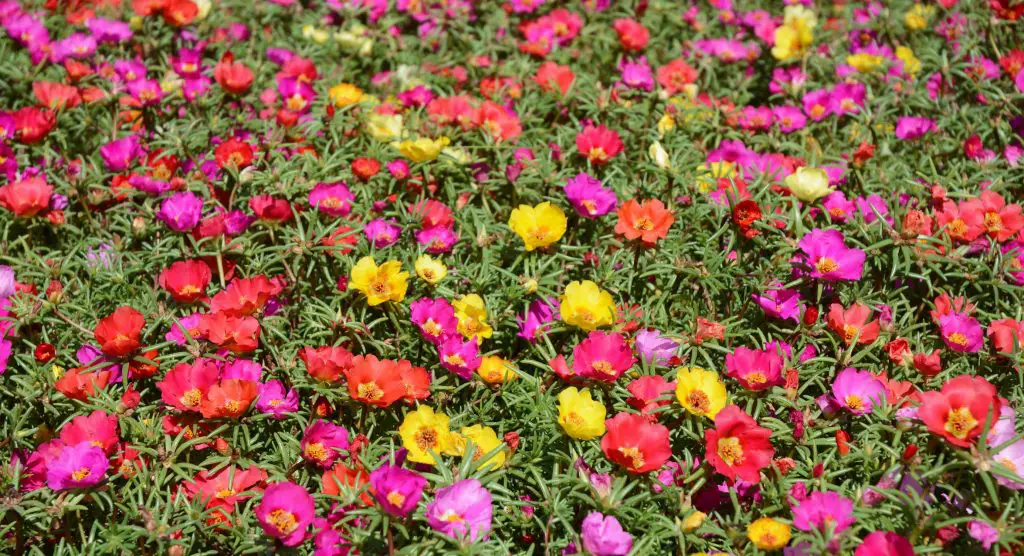
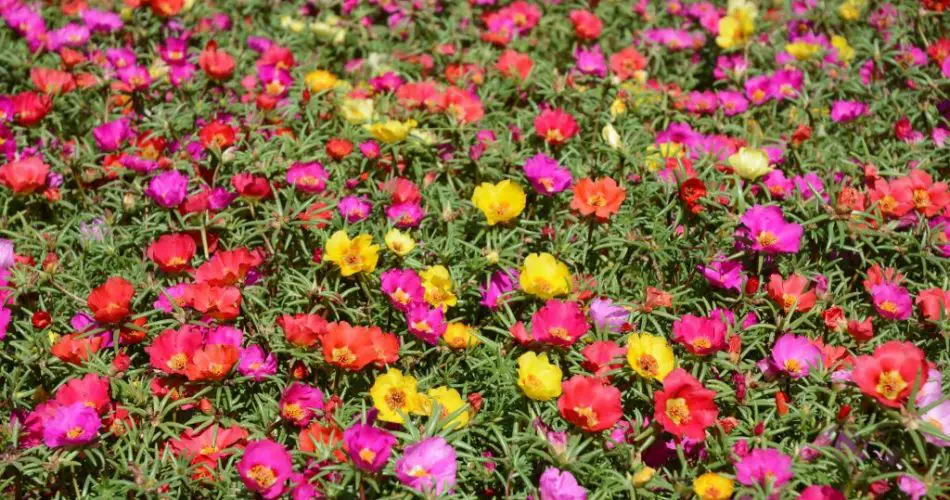
Purslane (scientific name: Portulaca oleracea), also called common purslane, is a wild plant that thrives in temperate and warm climates. It’s easy to recognize by its fleshy leaves, small yellow flowers, and creeping growth habit.
Despite often being seen as an unwanted weed, purslane offers a range of qualities that make it a valuable asset:
- Rich in Nutrients: Purslane is one of the wildest plants rich in omega-3 fatty acids, vitamins A, C, and E, as well as magnesium, potassium, and iron.
- Easy to Grow: It grows effortlessly, even in poor or neglected soil.
- Drought-Resistant: Thanks to its thick leaves, purslane stores water and can thrive in difficult conditions.
Why Purslane is a “Goldmine” in the Garden
Purslane isn’t just a nutrient powerhouse—it also brings benefits to your garden:
- Protects the Soil: Acting as a natural plant carpet, it helps protect the soil from erosion and retains moisture. Its dense, low growth prevents other weeds from taking over.
- Attracts Beneficial Insects: The small flowers of purslane attract essential pollinators like bees, butterflies, and other beneficial insects to your garden.
- Natural Compost: Once cut, purslane can be added to your compost, enriching it with vital nutrients that benefit the soil.
Culinary Uses of Purslane
Not only is purslane a garden-friendly plant, but it’s also a delicious and nutritious addition to your kitchen:
- Salads: The leaves have a slightly acidic, crunchy flavor, perfect for fresh summer salads.
- Soups: Add it to soups or cream soups for a fresh, light touch.
- Pickles: In many cultures, purslane is pickled to serve as a savory side dish.
- Green Smoothies: Due to its high nutrient content, it’s an excellent ingredient for detox smoothies.
How to Grow and Use Purslane
- Let it Grow Spontaneously: Purslane often grows by itself in gardens and fields. If it’s not interfering with your main crops, avoid removing it.
- Harvest at the Right Time: Pick the young stems and tender leaves early in the morning for the best flavor and texture.
- Use it as Mulch: If you don’t want to consume it, the cut stems make great natural mulch that helps protect the soil around your plants.
Why You Should Never Step on Purslane or Remove It Without Reason
- Ecological Value: Purslane helps maintain the balance of your garden, promoting biodiversity and enriching the ecosystem.
- Versatility: Beyond being a useful addition to your kitchen, purslane acts as support for soil health and other crops.
- Sustainable Resource: It’s a natural, free alternative to commercial fertilizers and other nutrient products.
Purslane is much more than just a weed—it’s a real “goldmine” for your garden and your kitchen. Next time you come across this resilient plant, think twice before you step on it or remove it. It might just become your secret ally for a healthy garden and creative cuisine!