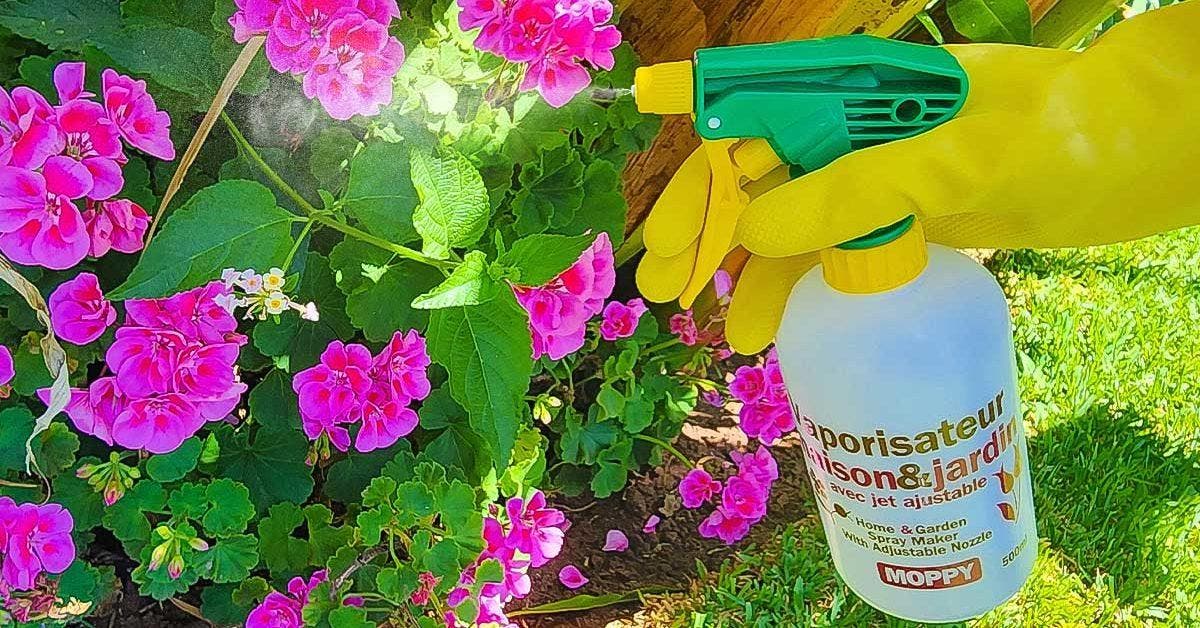
Maintaining a beautiful garden free from pests can be challenging, especially when harmful insects threaten your plants. If you’re tired of battling aphids, whiteflies, and other destructive insects, there’s an eco-friendly solution you can use: baking soda. Baking soda works as a safe, natural insecticide, helping you protect your flowers, fruits, and vegetables without harming the environment. Here are 4 simple ways to create a natural bicarbonate repellent that will keep those pesky bugs at bay.
Why Baking Soda Works Against Insects
Baking soda is not just a kitchen staple; it’s a powerful tool for pest control in your garden. When applied to plants, it disrupts the system of insects like aphids, mites, and even cockroaches. The baking soda reacts with the insects, causing them to die by releasing carbon dioxide into their bodies. It’s an effective, non-toxic alternative to chemical pesticides.
Now, let’s take a look at 4 homemade recipes to create a natural insect repellent using baking soda.
1. Baking Soda and Olive Oil Anti-Aphid Spray
Aphids are notorious garden pests that feed on plant sap, spreading diseases and causing significant damage. Here’s how you can make an effective baking soda solution to tackle aphids:
Ingredients:
- ½ teaspoon of baking soda
- 2 cups of warm water
- ⅔ cup of olive oil
- 4-5 drops of dishwashing liquid
Instructions:
- Mix all ingredients thoroughly.
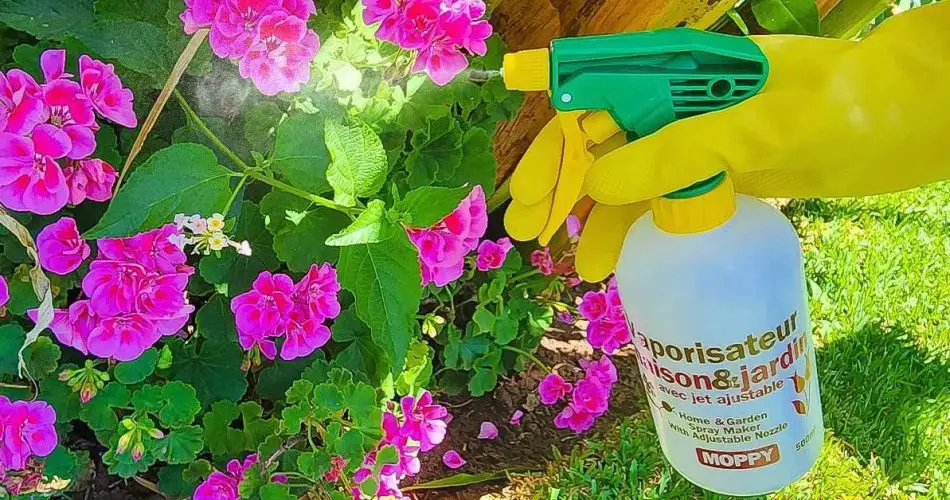
- Pour the solution into a spray bottle.
- Gently shake the plant to remove beneficial insects like ladybugs before spraying. This ensures that aphids remain targeted while protecting pollinators.
- Spray directly on the aphids, and enjoy a pest-free garden!
This mixture will also help fight against other pests like mites and whiteflies.
2. Mustard Oil and Baking Soda Anti-Aphid Spray
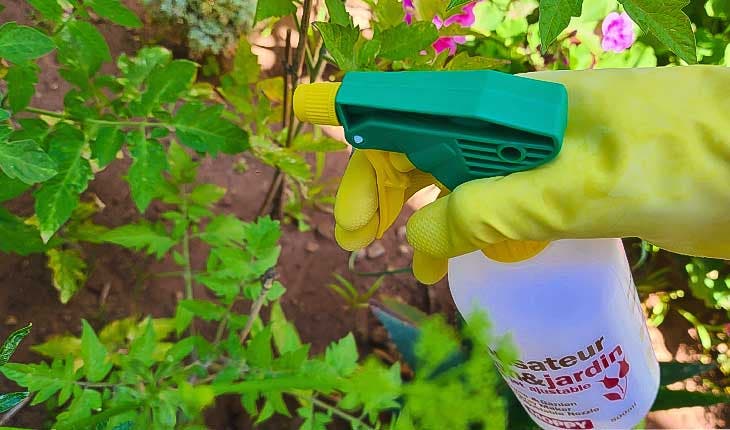
Another natural repellent involves mustard oil and baking soda. This combination is a powerful, eco-friendly way to protect your plants.
Ingredients:
- 1 tablespoon of baking soda
- ⅓ cup of mustard oil
Instructions:
- Mix the baking soda and mustard oil and store in a covered container.
- To use, add 2 teaspoons of the mixture to 4 cups of water.
- Pour the solution into a spray bottle and spray around the garden, avoiding direct application on plants.
This recipe is highly effective at repelling aphids without harming your plants or beneficial insects.
3. Baking Soda, Neem Oil, and Castile Soap Repellent
For a more potent mixture, try combining baking soda, neem oil, and Castile soap. Neem oil is a natural pesticide that works alongside baking soda to kill pests and prevent fungal growth.
Ingredients:
- 4 liters of water
- 2 tablespoons of neem oil
- 1 tablespoon of Castile soap
- 2 teaspoons of baking soda
Instructions:
- Mix all the ingredients thoroughly.
- Fill a sprayer with the solution.
- Spray the plants with this mixture, avoiding spraying on sunny days to prevent leaf burn.
Not only does this recipe kill pests, but it also creates an alkaline residue on your plants, which prevents fungal spores from spreading.
4. Baking Soda and Dormant Oil Spray
This is a gentler option, though it’s important to avoid using it on plants that host beneficial insects, such as bees. Dormant oil helps to coat and smother pests.
Ingredients:
- 1 teaspoon of baking soda
- 1 teaspoon of dormant oil
- ½ teaspoon of dishwashing liquid
- 4 liters of water
Instructions:
- Combine all the ingredients and shake well.
- Let the mixture sit until the soap bubbles dissipate.
- Pour into a sprayer and apply it to pest-infested areas.
While this repellent is effective, it should be used carefully, as it may harm pollinators if used too frequently.
Important Tips for Using Baking Soda Repellents
- Use sparingly: Repeated use of baking soda can build up in the soil, potentially harming your plants in the long run. Apply it only as needed.
- Apply on dry, cloudy days: To avoid burning your plants or causing them to dry out, apply these solutions on overcast days.
- Avoid rainy weather: Baking soda is water-soluble, so it’s best to apply it when no rain is expected. If rain occurs, you’ll need to reapply.
FAQ
How does baking soda kill bugs? Baking soda works by releasing carbon dioxide into the insects’ bodies, causing them to die. It’s a natural, safe method for controlling a variety of pests, including aphids, ants, and slugs.
What are some aphid-repellent plants? Certain plants naturally repel aphids. Consider planting marigolds, nasturtiums, or sunflowers to keep aphids away. Herbs like lavender, oregano, and catnip can also deter aphids.
Can I use garlic to repel aphids? Yes! Garlic has a strong smell that aphids dislike. Crush 100g of garlic, soak it in 4 liters of water for 24 hours, boil it for 20 minutes, and then spray it directly on your plants.
Does vinegar kill aphids? Vinegar can also act as a natural pesticide. Mix ¼ cup of white vinegar with ¾ cup of water and spray it on aphid-infested plants to kill them.
Conclusion
Baking soda is a versatile, eco-friendly repellent that can help you manage pests naturally. Whether you’re fighting aphids, mites, or other unwanted insects, these simple homemade solutions are effective and safe for both plants and the environment. Try these bicarbonate recipes to keep your garden healthy and thriving!