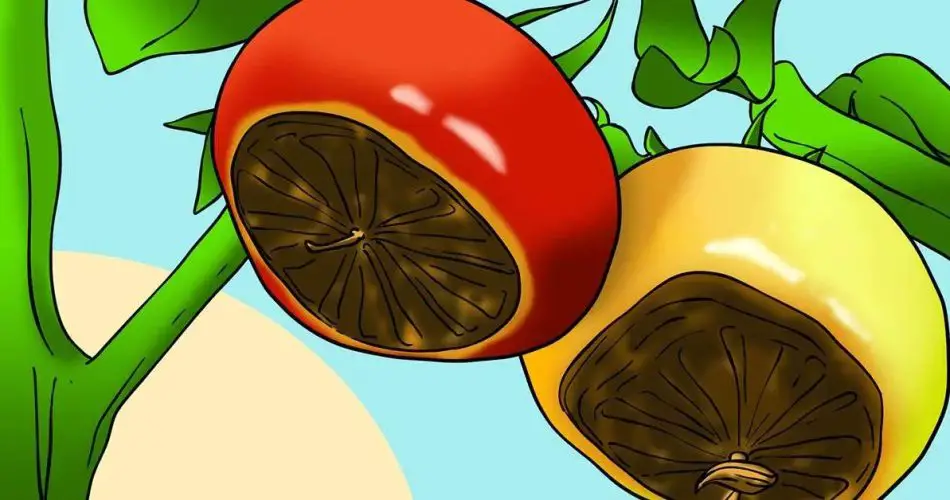
Growing tomatoes in your garden is a rewarding experience, but this delicate crop is susceptible to various problems. One of the most common and frustrating issues is blossom end rot. If you’ve ever noticed dark, black spots appearing at the bottom of your tomatoes, you may have encountered this condition. Don’t worry; with the right knowledge and care, you can prevent this from happening and enjoy a healthy, bountiful harvest. Here are 4 essential tips to help you keep your tomatoes free from blossom end rot.
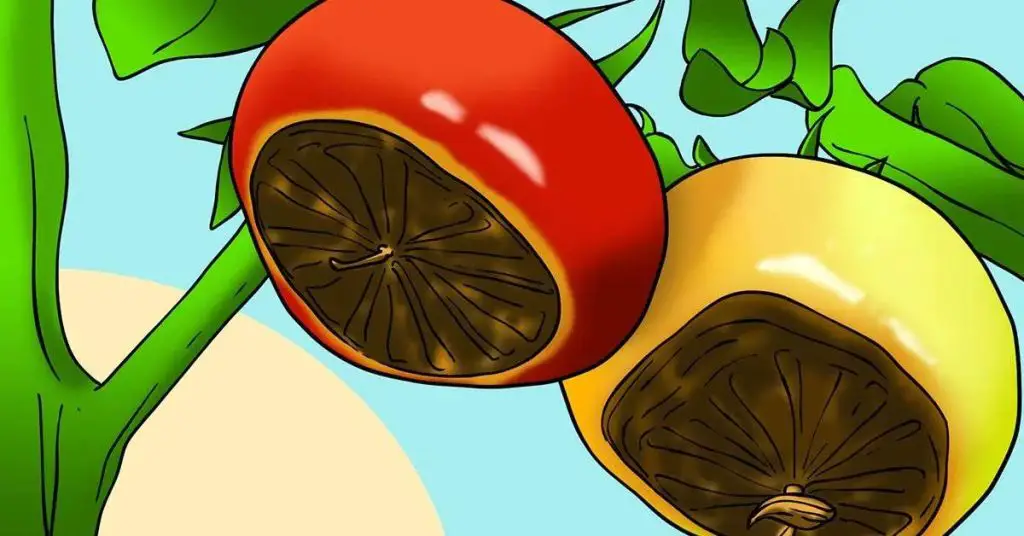
What Causes Blossom End Rot in Tomatoes?
Blossom end rot, also known as blossom end necrosis, is not caused by insects or diseases. Instead, it is the result of a calcium deficiency, which primarily occurs due to dry conditions. Calcium is essential for tomato plants, supporting their growth at all stages. However, when water is scarce, calcium cannot travel freely to the fruit, leading to the black bottom spots.
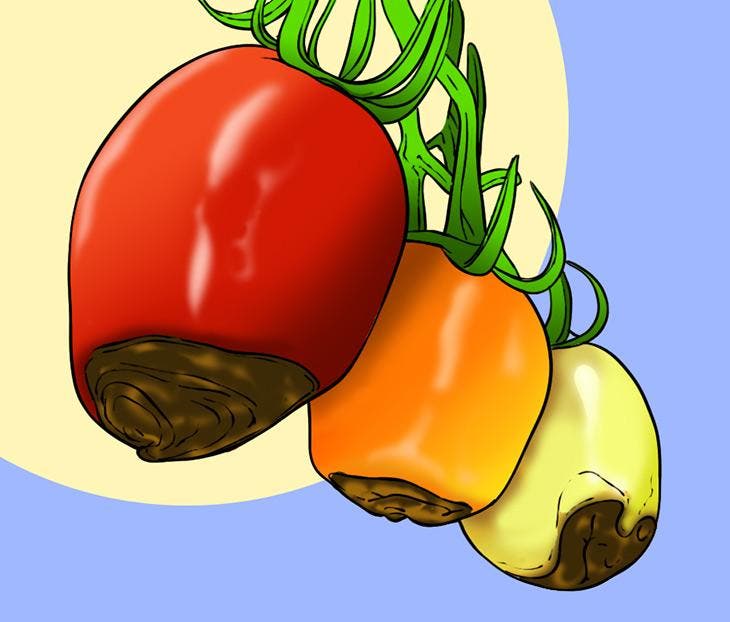
Tomatoes, especially early in the season, need more calcium to thrive. The problem arises when water is either insufficient or too much, preventing calcium from reaching the fruits. While some gardeners recommend using remedies like eggshells or antacid tablets, the real issue is ensuring consistent water flow to the plant roots. A soil test can help identify if there are other deficiencies affecting your plants.
How to Prevent Blossom End Rot
Fortunately, preventing blossom end rot is possible with a few key steps. This issue is related to water stress, so maintaining proper moisture levels is essential. Here are four simple and effective tips to avoid this problem:
1. Keep Tomato Plants Well Watered
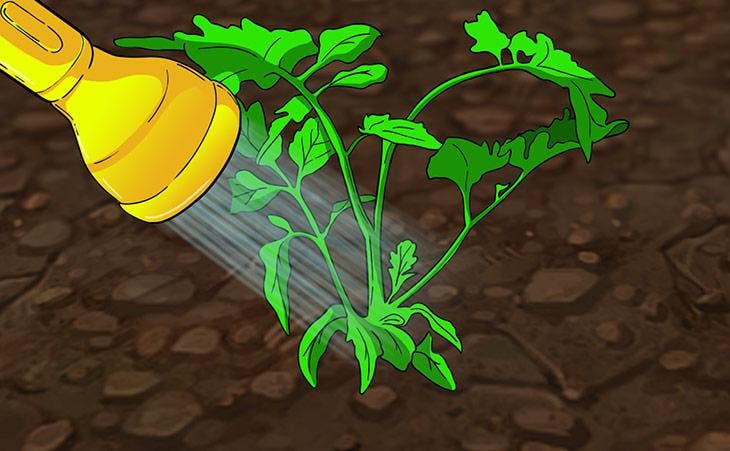
Watering is one of the most crucial factors in preventing blossom end rot. On average, a tomato plant needs 1 liter of water per day. If you’re growing tomatoes in containers, ensure they receive water regularly, as containers tend to dry out faster than garden beds. Use a soaker hose or watering can for a consistent water supply, but remember to avoid wetting the foliage. Wet leaves can lead to other diseases, so it’s best to focus on watering the soil.
2. Add Mulch Around Tomato Plants
Mulching helps to retain moisture in the soil, reducing the chances of it drying out between waterings. A 2-inch layer of organic mulch, such as straw, grass clippings, or shredded bark, will also help to control weeds. Keeping the soil consistently moist is key to preventing the dehydration that causes blossom end rot.
3. Don’t Over-Fertilize!
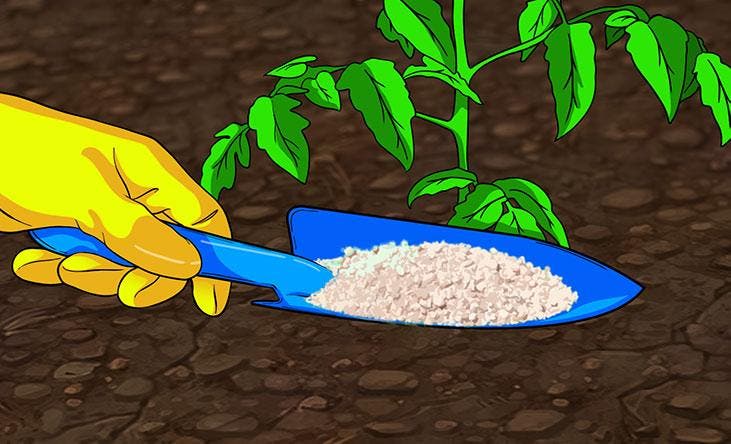
While fertilizers are important, over-fertilizing can lead to rapid growth, which doesn’t allow the plant to properly circulate calcium. This can worsen the issue of blossom end rot. It’s best to use well-rotted compost before planting to improve soil structure and provide slow-releasing nutrients. If you choose to fertilize, ensure it’s based on the recommendations from a soil test and always follow the label instructions.
4. Take Care of the Roots
Healthy roots are essential for the absorption of calcium. Avoid disturbing the root zone when planting or caring for your tomatoes. Weeds can also interfere with root development, so use a layer of mulch to keep them at bay. Healthy roots will ensure calcium flows freely to the plant, preventing the blossom end rot from forming.
FAQ
Why are my tomatoes rotting from the bottom? The dark spots on the bottom of tomatoes are caused by a calcium deficiency, often due to improper watering. Both too little or too much water can disrupt the plant’s ability to absorb calcium properly.
How to Add Calcium to Tomatoes? If you suspect a calcium deficiency, you can try adding calcium to the soil in various forms:
- Eggshells: Crushed eggshells can be buried in the soil, where they slowly break down, adding small amounts of calcium.
- Calcium Oxide: If your soil is more alkaline, calcium oxide can be added to make calcium more available to plants.
- Milk: Milk is rich in calcium. Dilute a glass in 1 liter of water and spray it on your plants, or sprinkle powdered milk around the soil.
By following these tips, you can protect your tomatoes from blossom end rot and ensure a healthy, vibrant harvest. Remember, consistent watering and proper soil care are key to keeping your tomatoes strong and free from this common issue.