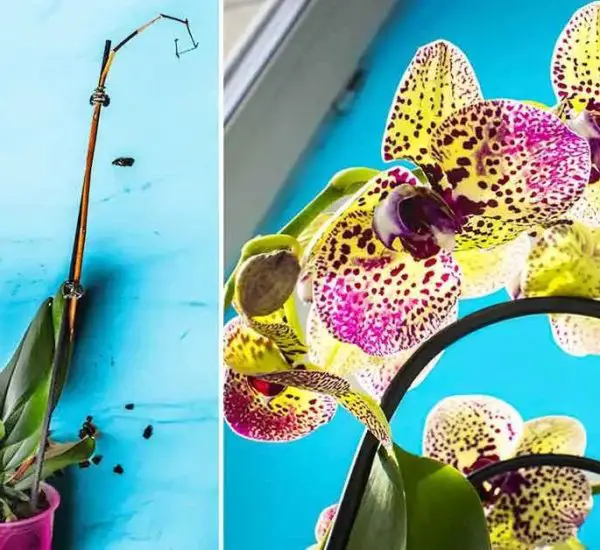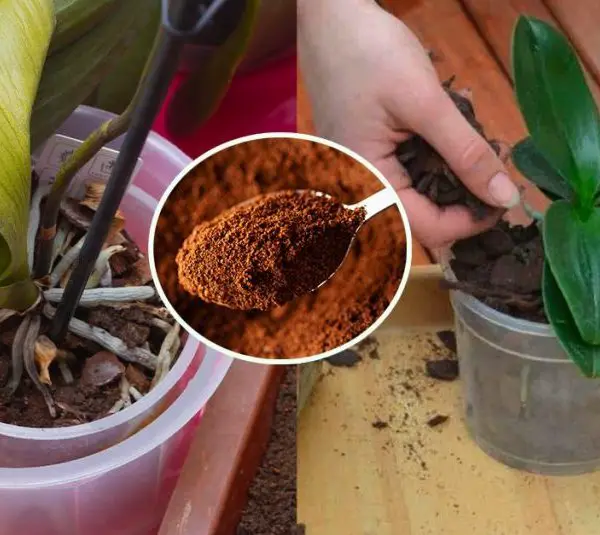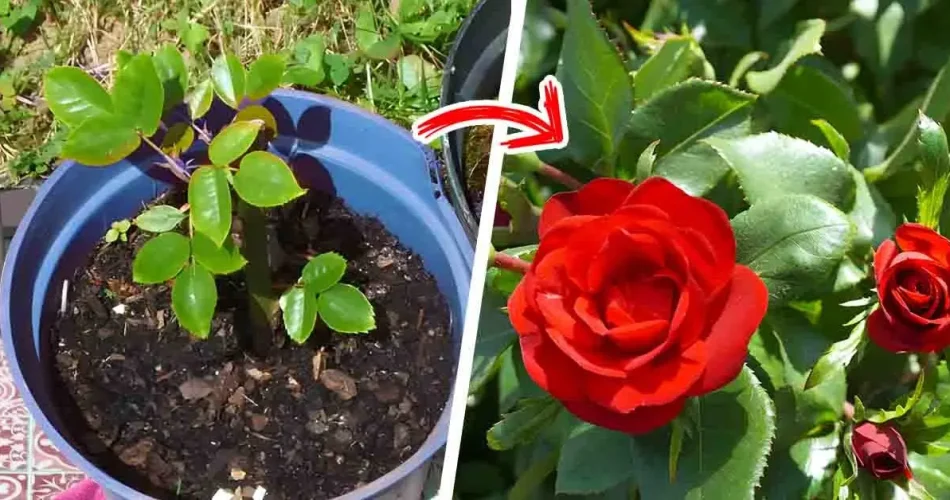
Gardening isn’t just about growing plants; it’s often seen as a form of therapy that helps reduce stress and boost mood. There’s a unique satisfaction in taking care of plants and watching them thrive. What could be more fulfilling than having a beautiful garden adorned with lush, blooming flowers? However, this joy can quickly turn to frustration when your rose bushes refuse to bloom. After all, isn’t the rose considered the queen of the garden? When roses don’t bloom, it’s hard not to feel disappointed. But don’t worry—by avoiding a few common mistakes, your roses can quickly regain their majestic beauty.
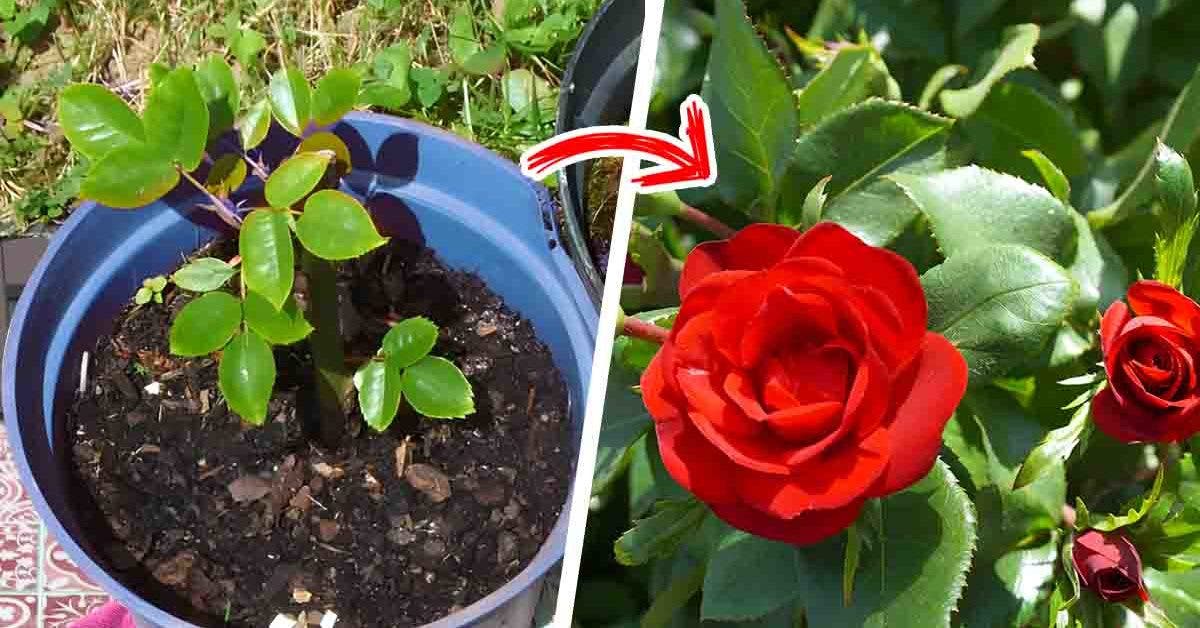
While sometimes environmental factors like climate can affect blooming, there are other reasons for this issue. A variety of factors—such as improper fertilizer, insect pests, insufficient water, or lack of sunlight—can all contribute to your roses failing to bloom. Certain mistakes can prevent your plant from flourishing, but with the right steps, you can get your roses back on track!
Why Isn’t Your Rose Blooming? 3 Common Mistakes Gardeners Make

1. Planting Too Deep
One of the biggest mistakes you can make is planting your roses too deeply. Many gardeners tend to plant roses 5-10 cm deep, but this can slow down their growth. Shallow planting is key for encouraging healthy root development and better blooming. Be sure to follow the proper planting depth to help your roses thrive.
2. Over-fertilizing
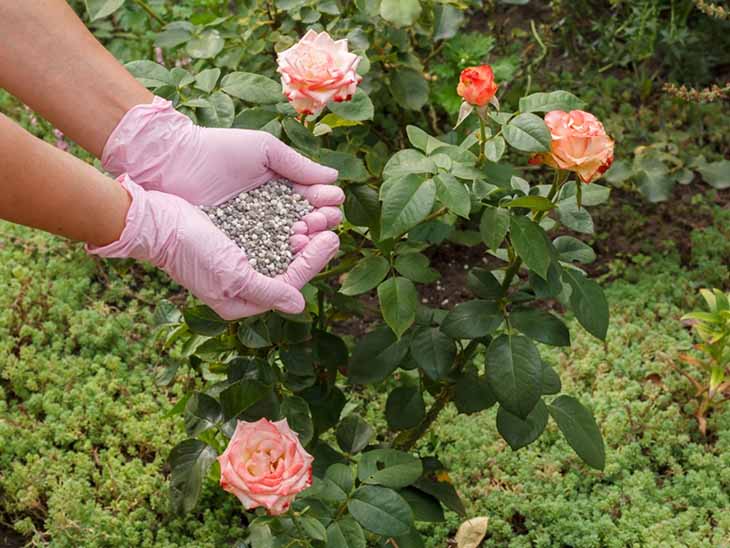
While fertilizing roses is essential, applying too many nutrients can damage their root system. When it comes to fertilizing, less is often more. Over-fertilizing can lead to root stress and hinder blooming. It’s better to under-fertilize slightly than risk harming the plant with excessive nutrients.
3. Neglecting to Remove Faded Shoots
Failing to properly prune your rose bush can prevent it from blooming. Not removing faded flowers or dead shoots stops the plant’s development. Regular and proper pruning is crucial for encouraging new growth and ensuring your roses continue to flourish.
How to Care for Roses: Essential Tips for Healthy Blooms
To keep your roses blooming year after year, you need to focus on a few key aspects: watering, soil, nutrients, and light. Here are some essential tips to ensure your roses stay healthy and vibrant.
1. Replace the Soil Regularly

Roses draw all the nutrients they need from the soil, so it’s important to replace the soil every year or at least every two years. Fresh soil contains essential nutrients that will support your roses’ growth and encourage abundant blooming. For the best results, consult your florist or local nursery to select the most suitable soil for your rose varieties.
2. Prune Once a Year
To ensure that your roses grow strong and continue to bloom, it’s important to prune them regularly. If you grow roses indoors, prune them once flowering finishes. Cut the branches back to about 5 cm above the ground and then plant them outdoors. Within a couple of months, your rose bush will begin flowering as a garden plant.
3. Water Weekly
Roses need regular watering, but it’s crucial to avoid overwatering. Check the soil regularly—if it’s dry and doesn’t stick to your fingers, it’s time to water. However, always ensure proper drainage to avoid waterlogging, which can damage the roots. Deep watering is better than frequent shallow watering.
4. Sunlight is Essential
Roses are sun-loving plants. They require plenty of sunlight to bloom beautifully. If your roses are kept in direct sunlight for at least a few hours a day, they will thrive. Whether you plant them in the ground or in pots on the balcony, ensure they receive adequate exposure to the sun.
5. Remove Faded Flowers
Deadheading or removing faded flowers is crucial for promoting new growth. By doing so, the plant won’t waste energy on seed production and will instead focus on producing more flowers. This simple step helps keep your roses blooming continuously throughout the growing season.
6. Fertilize Monthly
To support long-lasting blooms, apply a rose-specific fertilizer once a month. Choose the right product based on the type of roses you have and follow the instructions carefully. Proper fertilization will not only encourage flowering but also strengthen your plants, making them more resistant to pests and diseases.
Final Thoughts: How Do Your Roses Bloom?
By avoiding these common mistakes and following proper care guidelines, you’ll be well on your way to enjoying vibrant rose blooms in your garden. Take the time to nurture your plants, and they will reward you with stunning flowers all season long!