Each year, gardeners, farmers, and winegrowers anticipate the arrival of the Ice Saints, a period often dreaded for its potential late frosts in May. But what exactly are the Ice Saints, and where did this phenomenon originate? Is it simply a medieval legend, or does it have a meteorological basis? In this article, we’ll explore the history, significance, and practical advice for dealing with this period, and examine whether climate change is influencing the timing of the Ice Saints.

What Are the Ice Saints?
The Ice Saints refer to the period around May 11-13, marked by the feasts of three saints: Saint Mamert, Saint Pancras, and Saint Servatius. According to popular belief, these dates signal the end of the frost season and are associated with the last frosts of the spring. Once these dates have passed, it is believed that frost is no longer a threat to crops. This tradition, which dates back to the Early Middle Ages, has endured for centuries, though its practical implications are still relevant today, especially for gardeners and farmers.
History of the Ice Saints
The origins of the Ice Saints can be traced back to the 6th century when farmers and communities observed that particularly cold temperatures caused frost during this period. This led to the development of a medieval legend: the last significant frost of the year often occurred around the time of the feasts of these three saints, hence the name “Ice Saints.” This period became a warning to protect crops from the sharp drop in temperatures.
While the Catholic Church eventually moved away from these specific saints in favor of others in 1960, the Ice Saints’ influence continues to linger in the collective consciousness of farmers and gardeners across Europe.
Who Are the Ice Saints?
Here’s a quick look at the three saints associated with the Ice Saints:
- Saint Mamert (May 11) – A bishop from Vienne, France, in the 5th century, Saint Mamert is the most closely associated with the Ice Saints. He is credited with instituting the Rogation prayers, which were originally meant to seek protection for crops during periods of bad weather.
- Saint Pancras (May 12) – A young martyr from Rome, Saint Pancras is considered the patron saint of children, adolescents, and domestic animals. His feast day is associated with the belief that cold weather could still strike even in mid-May.
- Saint Servatius (May 13) – A bishop from Armenia, Saint Servatius is revered for his defense of Christian orthodoxy and his protection of livestock. According to tradition, his feast day marks the final drop in temperatures before warmer weather sets in.
The Science Behind the Ice Saints
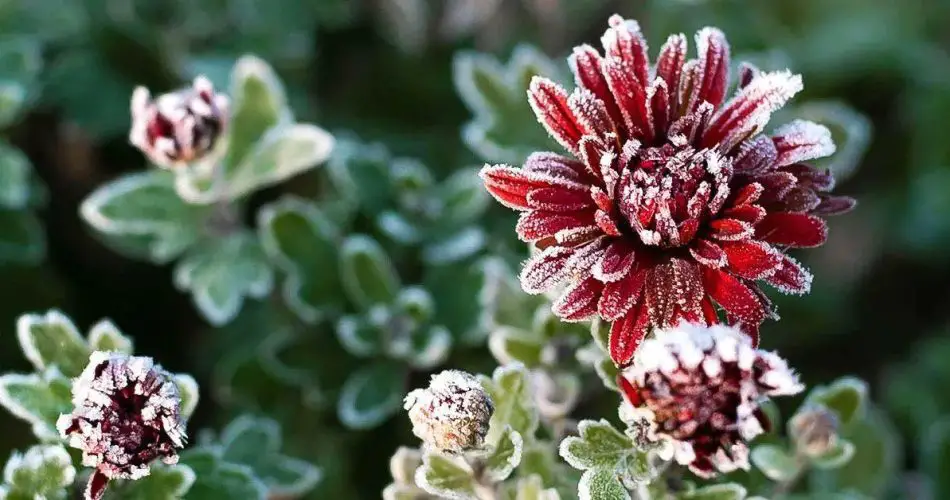
Is there a meteorological explanation for the Ice Saints? Yes, the period around May 11-13 often coincides with a cold air mass arriving from the North Atlantic, which causes the temperature drop known as a “red moon.” The phenomenon is characterized by frosts during the night due to the drop in temperatures.
While the Ice Saints can bring cold snaps with temperatures potentially reaching -10°C (14°F), it’s important to note that weather patterns can vary from year to year. For example, while frosts are common during this period, there is no guarantee that frost will always occur on the same days, as the weather can be unpredictable.

Impact of the Ice Saints on Gardening and Agriculture
For farmers, winegrowers, and gardeners, the Ice Saints are a time of caution. Late frosts during this period can have a significant impact on crops, especially young shoots, which can be damaged or killed. Fruit trees, in particular, are vulnerable to these temperature drops.
Here’s some advice for planting and protecting your crops around the Ice Saints:
- Early Planting: In warmer regions (such as the south of France), early planting is possible. Frost-resistant crops like peas, beans, carrots, and radishes can be safely planted before the Ice Saints. Trees and shrubs such as boxwood and primroses can also be planted before this period.
- Late Planting: In colder regions, it’s best to wait until late May to plant. Frost-sensitive crops like tomatoes, zucchini, peppers, and melons should be planted after the Ice Saints to avoid the risk of frost.
- Protecting Your Plants: If you’ve already planted before the Ice Saints, protect your crops from possible frosts by covering them with wintering veils, tarpaulins, or mulch. Potted plants can be moved indoors or placed in a sheltered area to keep them warm.
- Watering Tips: Water your plants in the late afternoon or evening. The water warms the soil, helping to protect the roots from cold temperatures during the night.
Ice Saints in 2025: Key Dates
In 2025, the dates for the Ice Saints are as follows:
- Saint Mamert: May 11, 2025
- Saint Pancras: May 12, 2025
- Saint Servatius: May 13, 2025
In some southern regions, the Ice Saints are preceded by the Saint Riders, who are also linked to frost protection:
- Saint George: April 23, 2025
- Saint Mark: April 25, 2025
- Saint Eutropius: April 30, 2025
Ice Saints in Popular Culture
The tradition of the Ice Saints has persisted through sayings and proverbs in rural communities. Some well-known proverbs include:
- “Saints Pancras, Servatius, and Boniface often bring ice.”
- “Be careful before the Ice Saints, you often keep track of it.”
- “Before Saint Servatius, no summer; after Saint Servatius, no more frost.”
- “When it rains on Saint Servatius’ Day, it’s a bad sign for wheat.”
- “Mamertus, Pancras, and Servatius are the three saints of ice, but Saint Urbain holds them all in his hand.”
Ice Saints and Climate Change
The impact of climate change on the Ice Saints is a topic of growing concern. With global warming leading to more frequent heatwaves and changing weather patterns, the frequency of late frosts may be decreasing. However, while the number of frost days has generally declined, frosts still occur sporadically, and it remains uncertain whether the Ice Saints period will always remain frost-free.
Meteorologists caution that while global warming is altering weather patterns, there’s no guarantee that frost will stop occurring in May. As recent late frost episodes in April 2017 and April 2012 demonstrated, it’s still possible for frost to affect crops well into late spring.
Conclusion
The Ice Saints remain an important tradition for gardeners and farmers, especially when it comes to protecting plants from the last frosts of the year. While the folklore surrounding the saints may have originated in the Middle Ages, the practical advice remains relevant today. Despite the impact of climate change, the unpredictable nature of weather means that it’s still important to be cautious during this period. By following planting guidelines and protecting your crops from late frosts, you can better safeguard your plants and enjoy a healthy harvest.