Celery, with its sweet, crunchy texture and lemony flavor, is a delightful addition to many dishes. Whether raw in salads, or cooked in soups and purees, this vegetable is packed with vitamins (B, C, and E) and offers numerous health benefits. Want to grow your own? With a little space in your vegetable garden, you can enjoy this healthy, flavorful vegetable at home. However, for a bountiful harvest, you must follow key steps. From seed selection to soil preparation, cultivation, and maintenance, here is a practical guide to growing your own celery.
How to Grow Celery?
Celery is most commonly eaten fresh, especially in salads. Whether raw or cooked, it’s a widely loved vegetable known for its health benefits, including diuretic, digestive, anti-cancer, and anti-inflammatory properties. If you dream of growing it at home, timing is crucial. During colder periods, celery struggles to form roots and may start to flower prematurely. To avoid this, ensure you plant it at the right time. Frosts in May can damage the roots and prevent growth, as celery thrives in cool soil, with temperatures not exceeding 10°C.
When to Plant Celery in Open Ground?
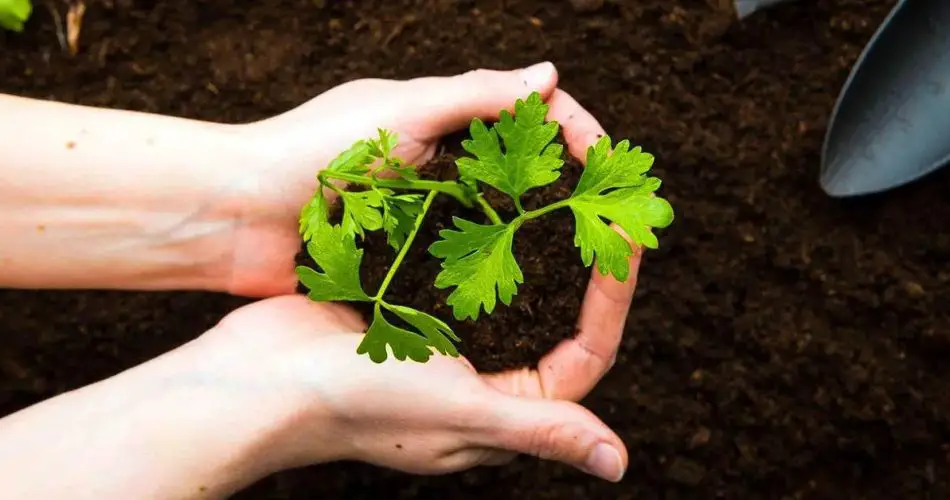
The ideal time to plant celery is late May. This timing ensures the plant is safe from frost and doesn’t face the challenges of hot weather. Although frost won’t kill celery, it will inhibit root formation. Celery thrives in fertile, humus-rich soil that isn’t too heavy. For large, healthy roots, ensure adequate spacing—20 to 30 cm between plants. The depth of the planting hole is also important to allow proper root development, but avoid planting the apical bud too deep underground. Also, be mindful that celery should not be planted in the same spot as last year.
Where to Plant Celery?
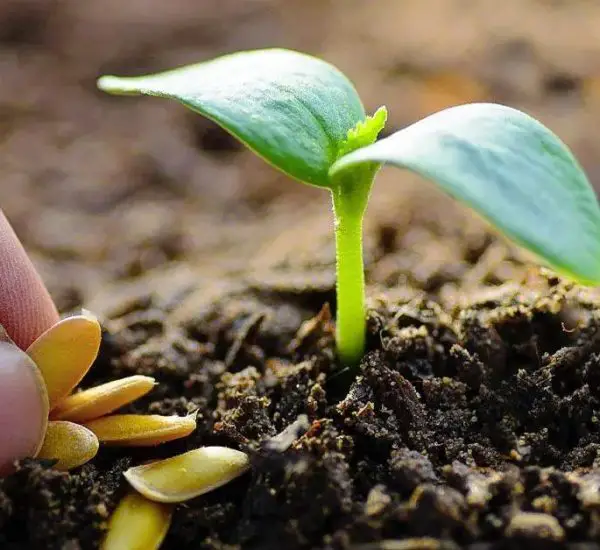
You can sow celery seeds in seedlings or on a seedbed, and heated greenhouses can be used for better germination. When sowing, ensure there is a 6 cm distance between rows, and 1 to 2 cm between plants. If you want a summer harvest, sow the seeds from February in a heated environment, then plant them in April. For a fall harvest, sow in March and plant in May, depending on your region’s growing season and celery variety. Make sure to cover seeds with a thin layer of substrate and maintain constant humidity, with a temperature of at least 16°C. Young plants should be transplanted when they are 50-60 days old.
What Vegetables Should I Plant Next to Celery?
In your vegetable garden, plant selection matters. Some vegetables should not be planted near celery due to its strong scent. The phytoncides in its essential oil can repel pests of cruciferous vegetables, but can also alter the flavor of carrots and potatoes. Surprisingly, celery and celeriac don’t mix well either!
On the positive side, leeks are excellent companions for celery, as they share similar nutritional needs. Garlic also makes a great companion, protecting celery from certain fungal diseases. For added benefits, plant chamomile on the edges of your vegetable garden. It boosts the immunity of nearby vegetables.
Here are some other good companions for celery:
- Broccoli
- Beet
- Onion
- Garlic
- Dwarf Beans
- Kale
- Peas
- Cauliflower
- Kohlrabi
- Cabbage (Brussels, White Head, Red Head, Italian)
- Cucumber
- Tomato
- Spinach
Avoid planting celery near these vegetables:
- Beans
- Carrots
- Lettuce
- Potatoes
When to Harvest Celeriac?
Celeriac, a medicinal plant known for promoting intestinal transit and boosting the nervous system, is rich in minerals (potassium, iron, and calcium) and vitamin K. It is typically grown as a transplant in the garden.
Here’s how to grow celeriac:
- Sow celeriac seeds indoors, 10-12 weeks before the average last frost date. To speed up germination, pre-soak seeds in warm water.
- Press seeds into a moist soilless mix. Since they need light to germinate, cover them lightly with more mix.
- Keep them in a bright, but not directly sunny location, maintaining temperatures of 70–75°F.
- Transplant seedlings outdoors when daytime temperatures reach 10°C and nighttime temperatures don’t fall below 4°C. Let the plants harden off before transplanting by reducing water and placing them outdoors for a few days.
How to Plant Perennial Celery?
Lovage, also known as “perpetual celery“, is a perennial vegetable that can grow tall stems and is prized for its health benefits, such as aiding in the treatment of rheumatism and water retention. It produces yellow flowers from July to September and has celery-like leaves.
Here’s how to grow lovage:
- Work the soil to loosen it, but avoid turning it over.
- Add compost to promote growth and sand for better drainage.
- Space lovage plants 50 cm apart.
- Fill and tamp down the soil gently, being careful not to damage the roots.
- Water and keep the soil cool.
Perpetual celery is harvested from spring to autumn, but it’s best to gather it before the plant starts to wither in the cold. To preserve the harvest, dry the leaves:
- Cut the stems and hang them in a dry location.