With its shimmering flowers, the orchid is undoubtedly a popular plant that graces our terraces and balconies. Fresh and elegant, it brings a tropical vibe to your interior. However, as much as you adore it, you dread the thought of its petals fading. Flowering doesn’t happen on its own; certain conditions must be met for your orchid to bloom abundantly. How can you help your orchids bloom again and protect those delicate flowers? Here are 8 tips to follow closely.
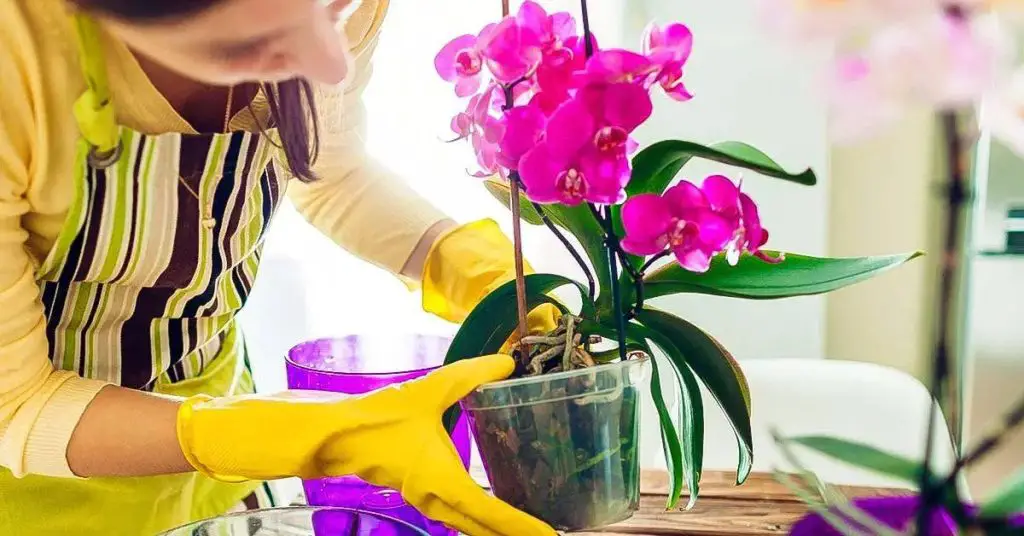
How to Make an Orchid Bloom Again?
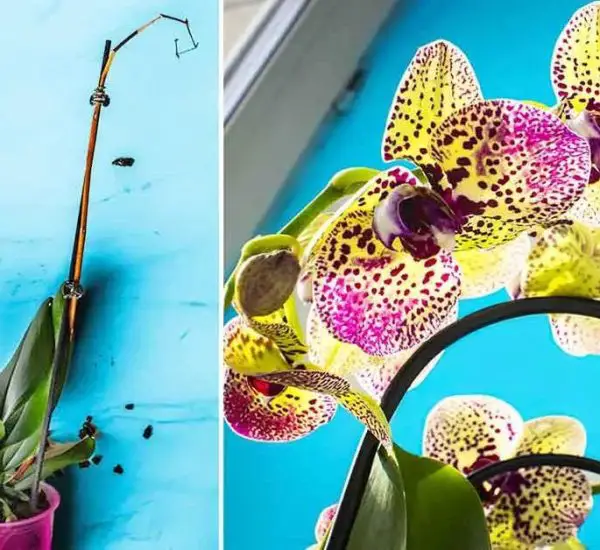
The orchid is the perfect indoor plant to bring elegance and freshness into your home. Its bright flowers often steal the show, blooming up to three times a year in various shades of white, pale pink, yellow, cyclamen, and purple. Some orchids even feature speckled petals or multicolored hues. If you have one, you’re in luck! However, to enjoy this beauty for as long as possible, you must understand its needs and ensure optimal care. A few maintenance mistakes can cause your orchids to lose their vibrancy.
1. Check the Health of Your Orchid
If you notice wrinkled leaves, this is a clear sign that your orchid is struggling and needs attention. Common causes of wrinkled leaves include underwatering, overwatering, illness, or low humidity. A quick diagnosis will help you identify the cause and take action.
2. Expose Your Orchid to Sunlight
Light is crucial for orchid growth. If your orchid isn’t blooming, it could be due to either too little or too much sunlight. Make sure you understand the light requirements of your orchid species and adjust its location accordingly. A lack of light or too much exposure can lead to sickly orchids.
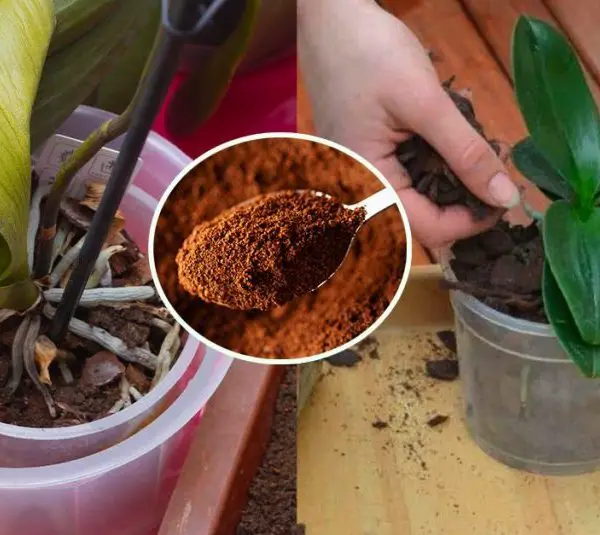
3. Fertilize with a Natural Fertilizer
For abundant flowering, your orchid needs the right nutrients. Use a suitable fertilizer to meet its needs, adjusting the quantity based on the time of year. Stick to a consistent fertilizing schedule throughout the blooming season.
4. Keep Your Orchid Moist and Well-Hydrated
Orchids need adequate humidity to thrive. If your orchid looks gray or limp, it may be due to low humidity. Use a hydrating foliar fertilizer to nourish the leaves and stimulate flowering.
5. Provide Enough Space for Your Orchid
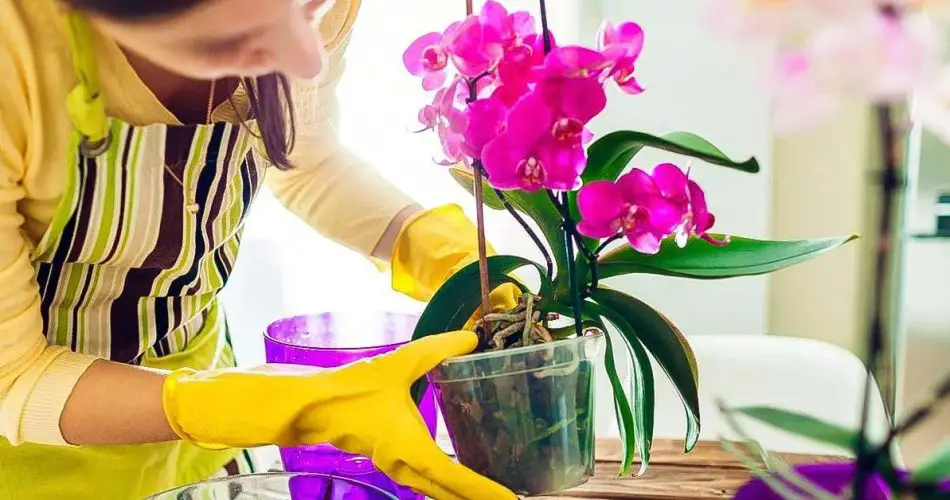
If your orchid hasn’t bloomed for a while, it might be root-bound in a cramped pot. Moving it to a larger pot with fresh soil can encourage growth and trigger blooming. Repotting can be a game-changer for your orchid.
6. Stimulate Flowering with Heat Treatment
Some orchid varieties require heat treatment to trigger blooming. Try placing the orchid in a plastic bag with a ripe banana and seal it tightly. The warm and humid environment will encourage flowering.
7. Stimulate Orchid Roots for Growth
Experienced gardeners suggest scraping the roots of your orchid gently with a sharp knife to stimulate growth. This can encourage new roots and flowers, improving overall plant health.
8. Cut the Tips of the Orchid Leaves
If your orchid’s leaves are becoming too dense or crowded, cutting the tips can help release pressure and allow the plant to flower properly.
Why is My Orchid Growing Leaves but Not Flowering?
If your orchid is growing leaves but not flowering, several factors could be blocking its blooming process. Here are some potential reasons:
- Lack of Light: Orchids need enough light to bloom. If your orchid isn’t flowering, it may not be receiving enough light. Some species, like Phalaenopsis, thrive with filtered light, while others, such as Dendrobiums or Cymbidiums, require more direct light.
- Roots in Poor Condition: Orchids rely on their root system for healthy growth. If the roots are unhealthy or rotting, it can prevent blooming. Always check the roots, especially when repotting.
- New Growth: Monopodial orchids like Phalaenopsis and Vanda should grow new leaves each year. Check the base of the plant for flower spikes.
- Inadequate Season: Orchids bloom in their natural cycle, and trying to force them to flower outside this period will disrupt their growth.
- Natural Stimuli: Orchids respond to environmental cues like temperature drops and lower light levels to signal that it’s time to bloom. Keep these in mind when monitoring your plant.
How Do I Know When My Orchid Will Bloom Again?
To know if your orchid will bloom again, monitor its flower stems. If there are flower buds still covered in bracts, your orchid is likely to continue blooming. Keep track of the conditions and your orchid’s health to ensure it remains happy and continues to bloom in the coming seasons.