Anthurium is one of the most beloved plants, admired for its vibrant colors, ease of care, and the ability to reproduce effortlessly—even without a garden or open space.
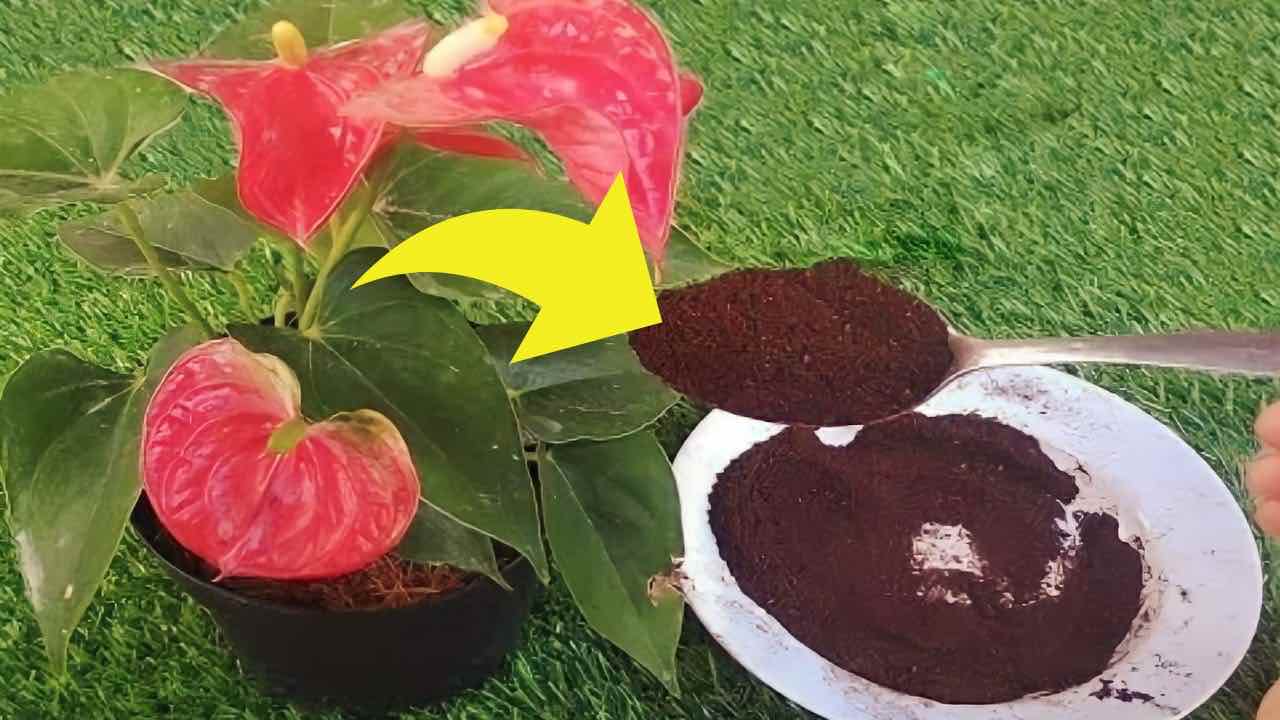
Characteristics of Anthurium
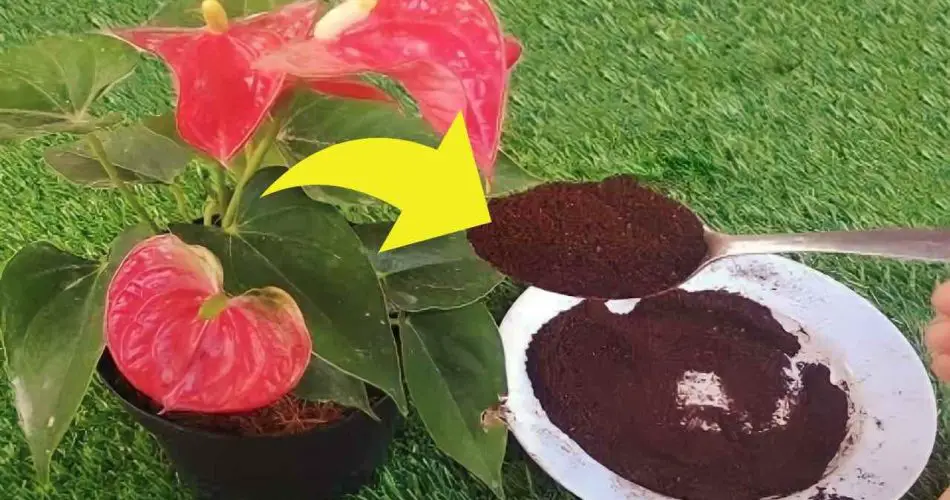
This stunning plant is known for its bright red, upturned leaves and elongated spikes that feature hermaphroditic flowers. With around 500 different species boasting various colors and shapes, each one is a beauty.
Typically, the stems can reach 10 cm in height, making them perfect for elegant floral arrangements. Before purchasing an Anthurium, consider the climatic conditions of your home. This plant thrives in bright light, requires limited watering, and enjoys high humidity for longevity. Remember to remove any dry leaves as part of your pruning routine. It’s also important to note that Anthurium is toxic, so keep pets away!
Caring for Your Anthurium
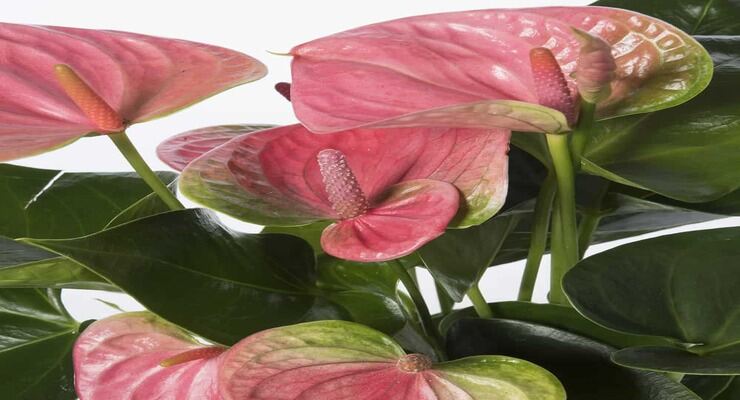
To ensure your plant thrives, provide it with humidity and a soil mix of peat, sand, and garden soil. Place it in a spot away from drafts, with indirect sunlight; too much direct sun can be harmful.
In winter, do not leave your Anthurium outside if temperatures drop below 15 degrees Celsius. Sudden temperature changes can be fatal.
For watering, adjust based on the season: you can water twice daily in hot weather, but in winter, every 2-3 days is sufficient. Watering should ideally be done directly into the saucer to avoid saturating the leaves.
To check if your plant needs water, observe the leaves: if they are yellowing, it’s a sign of thirst. You can also test the soil moisture with your finger; if it’s dry, give it a little water.
Multiplying Your Anthurium
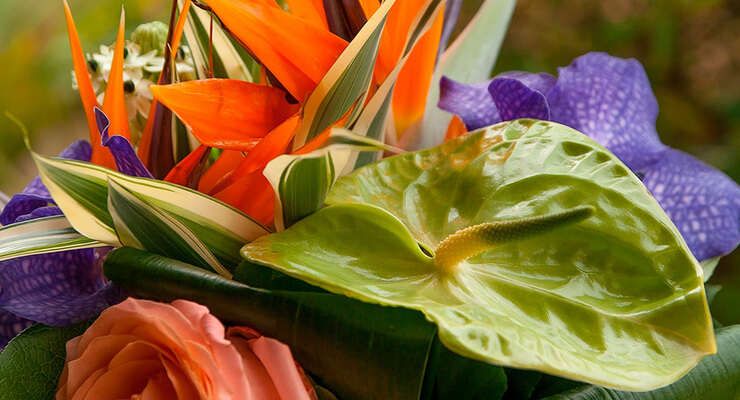
Now, let’s discuss how to multiply your Anthurium effortlessly. Imagine having multiple plants to gift or display without spending a cent!
To multiply your Anthurium, divide it into tufts. Here’s how:
- Water the soil thoroughly.
- Extract the plant by gripping it at the base, taking care not to damage the roots.
- Separate sections with 3 to 5 leaves each.
- Place each section in a pot with a mix of 3 parts peat, 2 parts soil, and 1 part sand.
- Expose the plants to sunlight and mist them every three days.
Cutting Method for Propagation
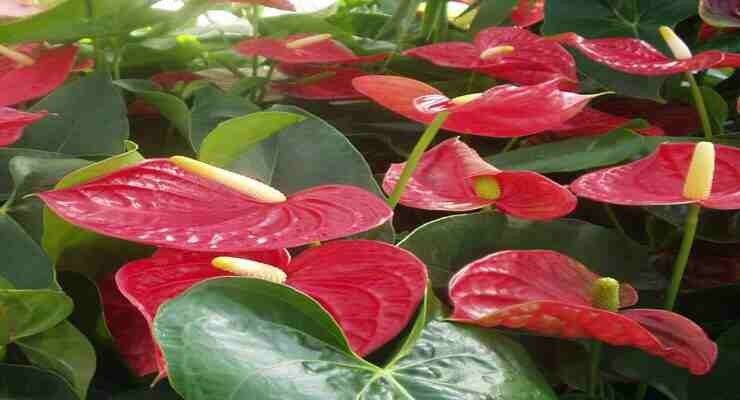
Alternatively, you can use the cutting method:
- Take small sections of the plant and place them in a container with the same soil mix (3 parts peat to 2 parts soil).
- Press gently, water lightly, and wait a few days.
- For best results, keep the plant in an area with at least 20 degrees Celsius.
- Water every 3-4 days, being careful not to overdo it.
- Repot every 2-3 years; however, it’s best to observe the plant’s growth and adjust pot size as needed.
With these methods, you can cultivate a thriving collection of Anthuriums, bringing beauty to your home without spending a dime!