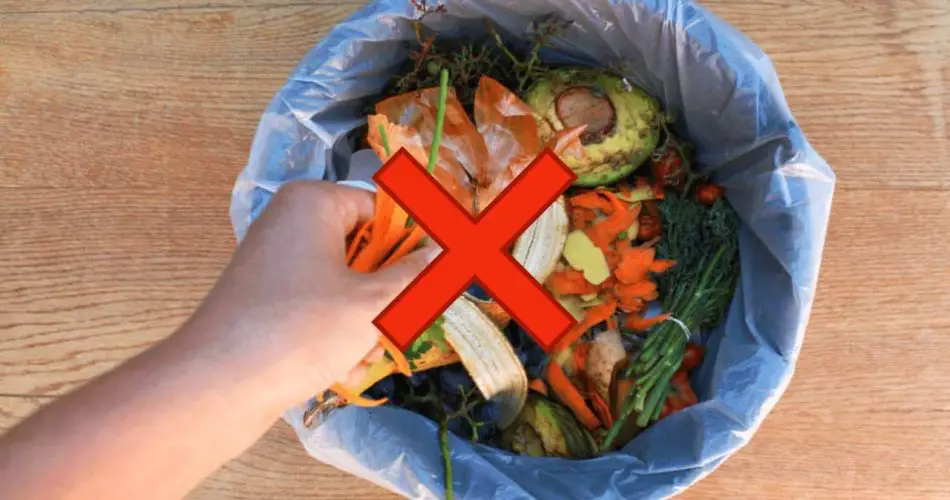
Learn how to transform your kitchen scraps into valuable resources instead of tossing them out.
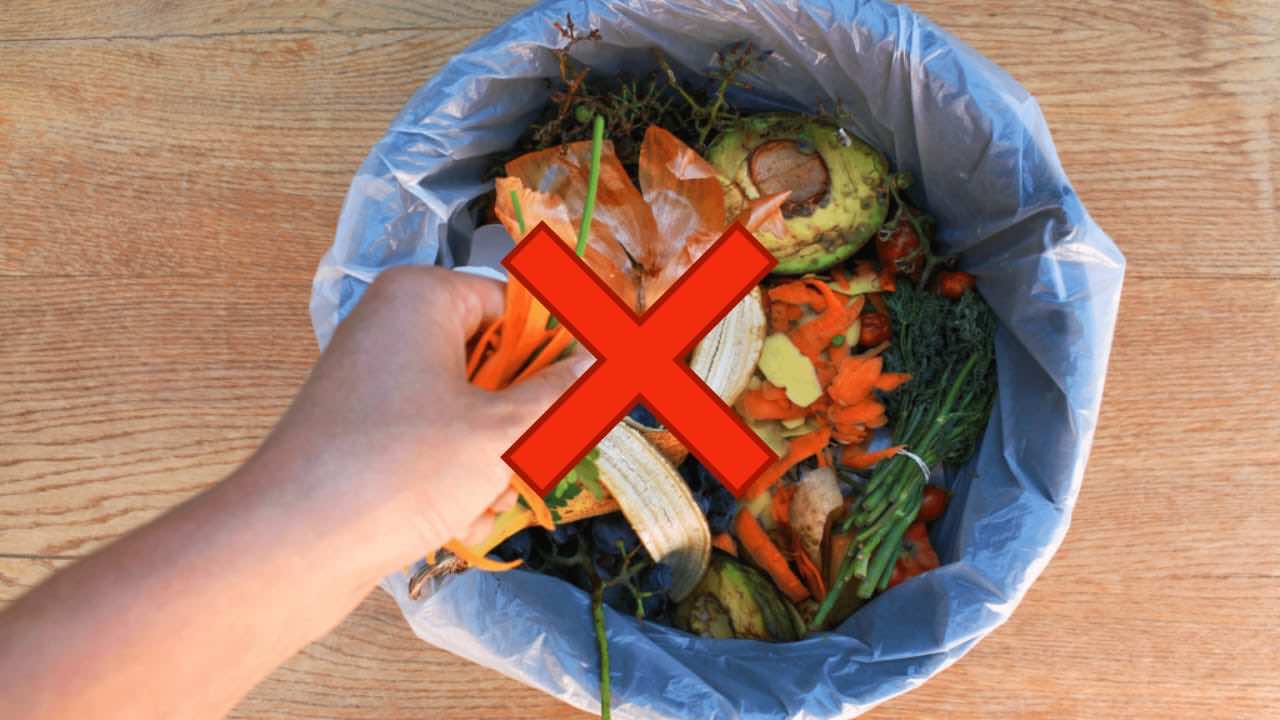
Don’t Throw Away Leftovers
Leftovers can be a revolutionary resource when you know how to recycle them effectively. This method not only helps you reduce waste but also proves to be incredibly useful—just give it a try!
How to Avoid Producing Too Many Kitchen Scraps
Everyone generates leftovers, but with some simple precautions, you can minimize waste:
- Plan Meals in Advance: Creating a shopping list helps prevent overbuying fruits and vegetables that may spoil before you can eat them.
- Measure Ingredients: Use proper measurements to avoid cooking excessive portions.
- Recycle Leftovers: Get creative and use leftovers to create new dishes instead of discarding them.
- Freeze Leftovers: Consider freezing small portions for later use to avoid waste.
- Involve the Family: Encourage everyone to participate in meal planning and portion selection to share the responsibility of minimizing leftovers.
With a little planning and creativity, you can significantly reduce food waste. But if you do end up with scraps, here’s how to make them worth their weight in gold!
How to Reuse Kitchen Scraps
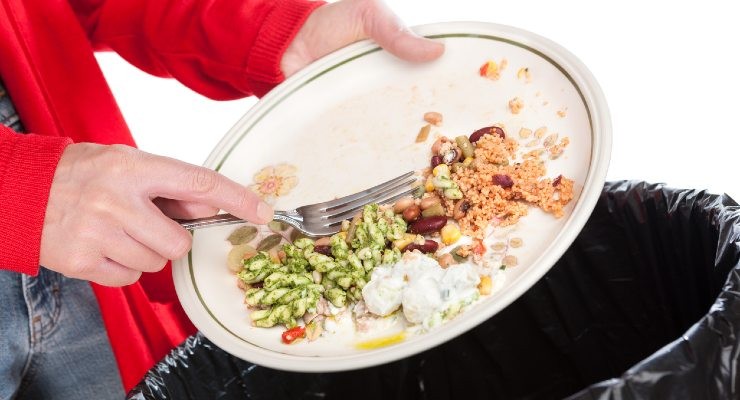
If you’re unsure what to do with your kitchen scraps, consider these options:
- Natural Fertilizers: Use scraps as organic fertilizers to nourish your garden and boost plant growth. This sustainable practice can revive your garden in no time.
- Composting: Decompose kitchen scraps with other organic materials to create nutrient-rich compost for your garden or balcony plants.
Watering Plants with Scraps
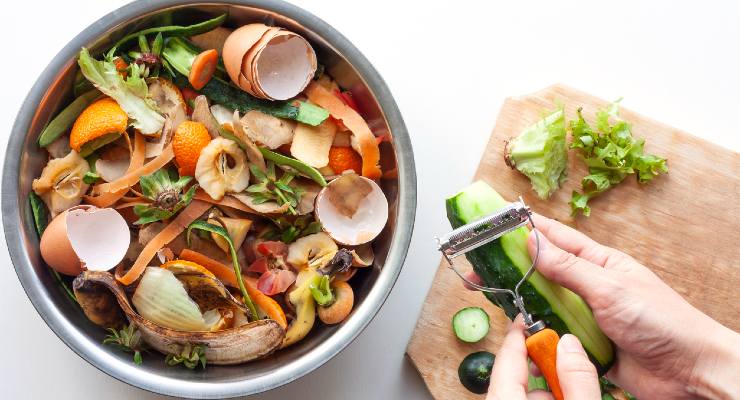
Another innovative method involves putting your kitchen scraps in a plastic bottle and adding water. Let the mixture sit, and then use this nutrient-rich water to nourish your plants.
What to Use
Some great scraps to recycle include:
- Bone Broth
- Coffee Grounds
- Onion and Garlic Peels
- Eggshells (rich in calcium and minerals)
Important Considerations
Before using kitchen waste as fertilizer, ensure that it’s free from preservatives or spices that could harm your plants. Additionally, use leftovers in a balanced manner to avoid overloading your plants with too much of one nutrient.
By embracing these methods, you can turn your kitchen leftovers into a valuable asset for your garden!