Vinegar is a kitchen staple, commonly used for everything from seasoning food to washing dishes due to its degreasing and scale-removing properties. It’s also a miracle ingredient for cleaning clothes, making them whiter. But did you know that vinegar can also work wonders for your garden, particularly for your hydrangeas? This simple trick can help your hydrangeas become healthier, stronger, and more vibrant in just 24 hours.
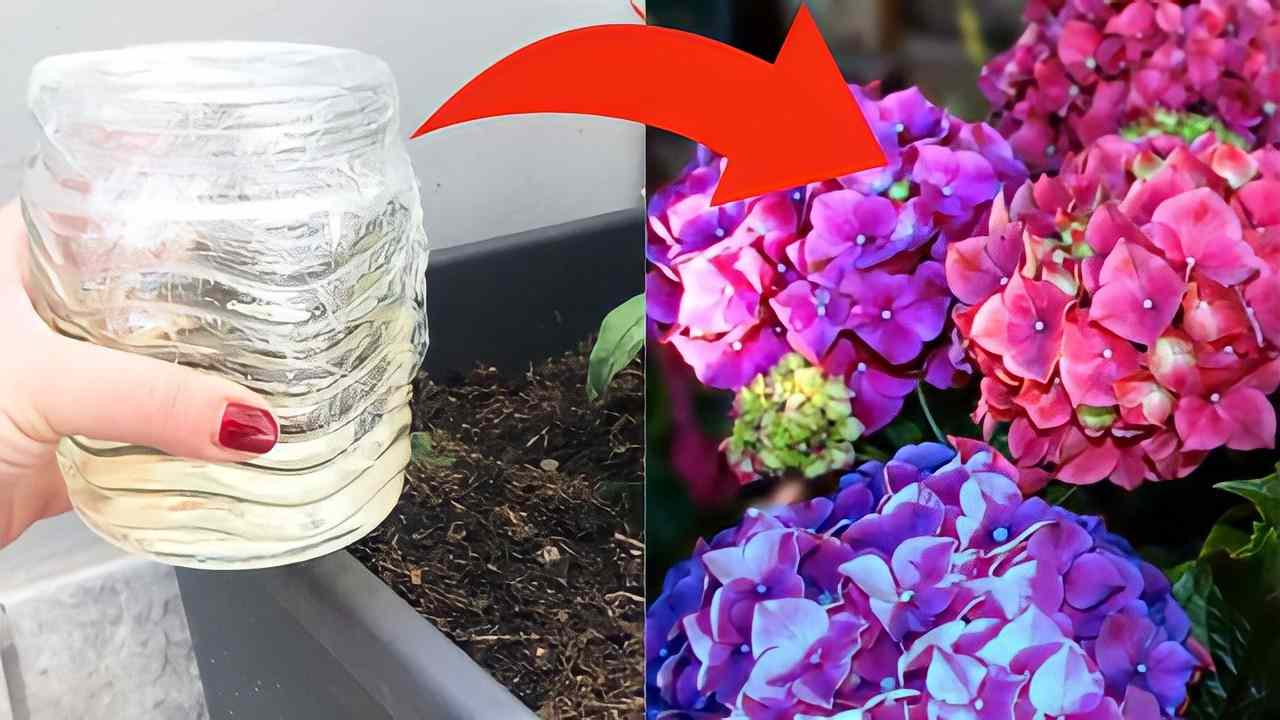
Vinegar’s Benefits for Hydrangeas
Hydrangeas are among the most popular plants for decorating balconies, terraces, and gardens. Their explosion of colors makes them a favorite, especially during the warmer months. These flowers are relatively easy to maintain, but with a few simple tips, you can ensure they grow even more beautiful and robust.
One of the easiest ways to improve the health of your hydrangeas is by using vinegar. Here’s why:
- Balances Soil pH
Vinegar is an excellent way to acidify the soil, especially if your hydrangeas are struggling due to alkaline soil. If the plant’s soil is too alkaline, it can prevent the plant from absorbing essential nutrients like iron, leading to yellowing leaves and poor growth. By adjusting the pH with vinegar, you’ll help the hydrangea absorb nutrients more efficiently. - Repels Insects and Fungal Diseases
Vinegar is also known for its ability to repel insects and combat mold. Insects and fungal diseases often attack the roots and leaves of plants, weakening them. Vinegar acts as a natural repellent, helping to keep these threats at bay and protecting the plant from damage. - Improves Plant Nutrition
When used properly, vinegar can enhance the plant’s ability to nourish itself by promoting better nutrient uptake from the soil.
How to Use Vinegar on Hydrangeas

To take full advantage of vinegar’s benefits, it’s important to use it in the right proportions. Too much vinegar can be too acidic, which can harm your plants rather than help them. Here’s how to apply it safely:
- Water with Vinegar Solution
To improve soil pH and nourish your hydrangeas, mix 1 to 4 tablespoons of vinegar with 5 liters of water. This diluted solution is safe to use on the soil and will help adjust the pH to a level that’s optimal for hydrangeas. - Use Rainwater
Instead of using tap water—which often contains limestone and can raise soil pH—consider using rainwater. If you don’t have rainwater available, let tap water sit for 24 hours to allow the limestone residues to settle before watering your plants. - Be Careful with Direct Application
Avoid pouring undiluted vinegar directly onto the plant’s leaves or roots, as it can be too harsh and potentially damage the plant. Always dilute it with water before use.
See the Results in Just 24 Hours
If you follow these simple steps, you’ll likely see a remarkable difference in your hydrangeas within just 24 hours. The flowers will appear stronger, with brighter colors and a healthier overall appearance. This easy, natural solution will help your hydrangeas flourish without the need for expensive or chemical-based products.
Conclusion
Vinegar is a cheap, natural remedy that can have an incredible impact on the health and beauty of your hydrangeas. By adjusting the soil pH, repelling pests, and helping the plant absorb nutrients more effectively, vinegar provides a simple yet powerful solution for gardeners. Try it today and watch your hydrangeas become even more vibrant and luxuriant in just 24 hours!