Did you know that your hair can be a great natural fertilizer for your plants? It might sound surprising, but the hair you find on your brush is packed with nutrients that can help promote the healthy growth of your indoor plants. Here’s how you can turn hair into an effective plant fertilizer.
Why Hair Works as a Fertilizer for Plants
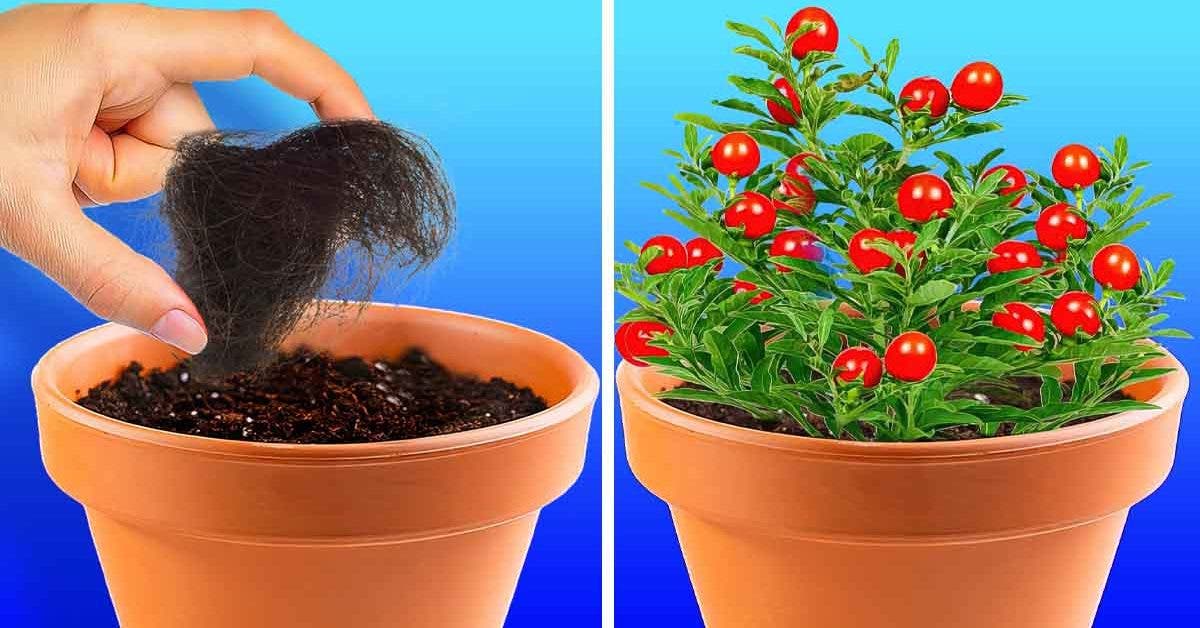
Hair is rich in nitrogen, an essential nutrient for plants. Nitrogen helps plants grow by promoting the production of new tissue and encouraging strong, healthy growth. It’s especially important for plants during their growth period and flowering stages. So, instead of throwing away the hair from your brush, consider putting it to good use in your garden or for your potted plants.
How to Use Hair as a Fertilizer
There are two simple methods to incorporate hair into your plant care routine:
1. Using Hair as a Slow-Release Fertilizer
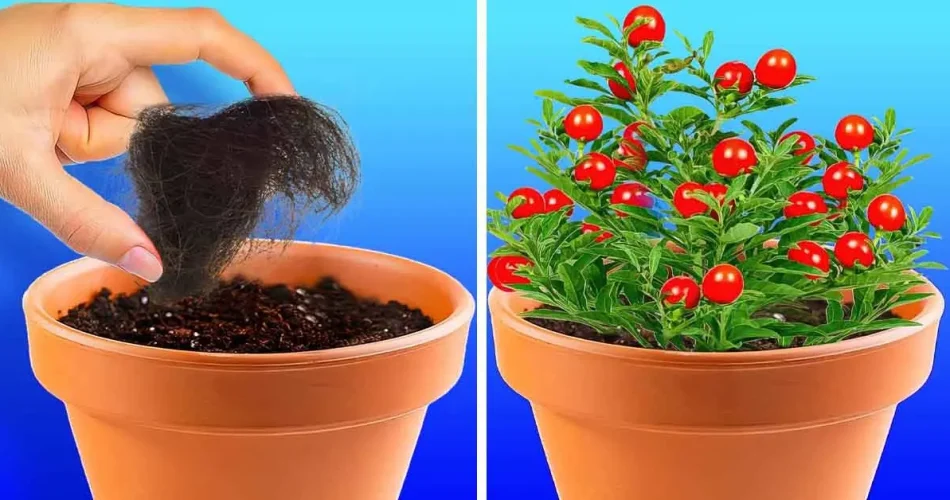
This method involves burying the hair directly into the soil of your potted plants. Since hair decomposes slowly, it provides a slow release of nitrogen and sulfur over time. This makes it an excellent option for plants with a longer life cycle, such as onions, leeks, squash, and turnips. Simply place the clump of hair at the base of your plants, and it will gradually enrich the soil.
2. Adding Hair to Compost
Another effective way to use hair as a fertilizer is by adding it to your compost. Compost is a mixture of organic matter like plant waste and food scraps, which helps fertilize plants by enriching the soil. Hair, being rich in nitrogen and protein, can significantly enhance the nutrient content of your compost. To make compost, mix carbon-rich materials (like dead leaves) with nitrogen-rich waste (like fruit peels or vegetable scraps). Add your hair to this mixture to boost the nitrogen content, which helps nourish your plants.
Important Note: Avoid Chemically Treated Hair
While using hair as fertilizer is beneficial, colored or chemically treated hair should not be used. The chemicals in treated hair could potentially harm your plants, so always use natural, untreated hair for this purpose.
Additional Tip: Use Hair to Repel Pests
Aside from nourishing your plants, hair can also serve as a natural repellent for pests like moles, hares, or deer. Place hair around your vegetable garden or at the base of fruit trees to help keep these animals away.
Other Organic Materials for Natural Fertilization
Hair isn’t the only organic material that can be used to fertilize your plants. You can also recycle pet hair from cats or dogs, cut nails, or even canary feathers to enrich your compost. These materials are rich in nitrogen and protein, which help nourish plants both in pots and in the garden.
Conclusion
The hair you find on your brush can be a valuable resource for enriching your soil and promoting healthy plant growth. Whether you use it directly in your plant pots or mix it into your compost, hair is a natural, eco-friendly way to fertilize your plants without the need for expensive chemicals. Try this simple method and watch your plants thrive!