Rats and mice can be a real nightmare for homeowners and gardeners. These rodents can spoil your crops, chew on your vegetable patches, and ravage pantry supplies. Worse still, they multiply quickly and carry a variety of diseases. While there are many ways to control them, including ultrasonic devices, traps, and poison, the latter can be toxic to both humans and pets. Fortunately, there are natural solutions that can help keep these pests at bay, and the best part is—they’re safe and cruelty-free!

Some insecticidal and repellent herbs can effectively drive rats and mice away from your home and garden. The key lies in their smell, which is unpleasant for rodents but harmless to us. Let’s explore the 6 plants that are particularly effective at repelling these pesky invaders.
1. Tansy
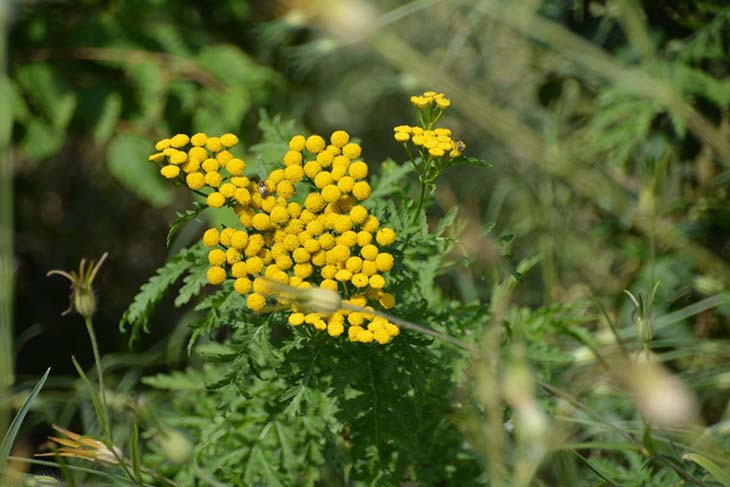
Tansy is a hardy plant that is both ornamental and useful in the garden. Known for its insecticidal and fungicidal properties, tansy is an excellent repellent for rodents like mice. Its fragrant flowers not only keep insects away but also deter rodents, including small pests like flies, mosquitoes, ants, and fleas. Tansy requires little maintenance, just occasional watering and some light fertilizer. You can even place fresh bouquets of tansy in your cupboards and pantries to keep pests away.
2. Elderberry
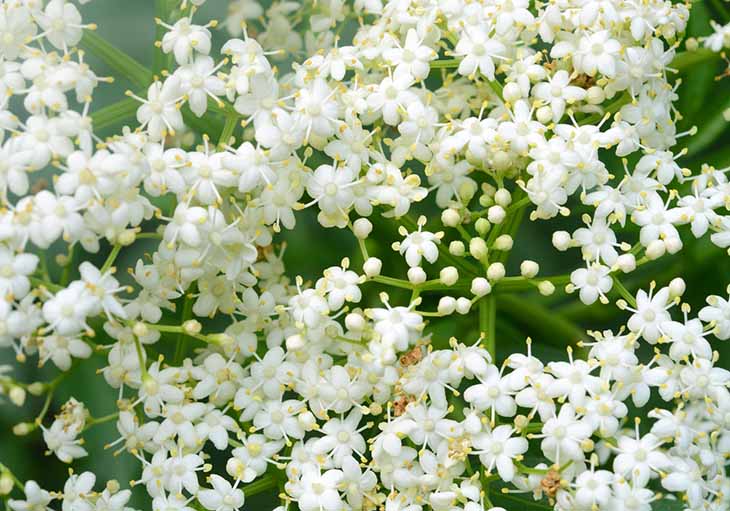
Elderberry is another powerful plant that can help protect your home from rodents. The roots of the elderberry plant emit a potent poison, while its flowers release a strong scent that rodents dislike. This plant is highly effective against rats, mice, moles, and other pests that damage crops. To use elderberry as a repellent, either plant it near your garden or dilute the elderberry extract in water to spray around the area.
3. Absinthe (Wormwood)
Absinthe, also known as wormwood, is a perennial plant renowned for its ability to repel not only rodents but also ants, caterpillars, flies, moths, and more. The strong scent of wormwood keeps rodents at bay, especially when planted near your garden or hung in areas where mice tend to hide. You can also create a decoction of wormwood to spray in places where rodents frequent. Inside your home, dry wormwood can be placed in cupboards to repel moths.
4. Mint
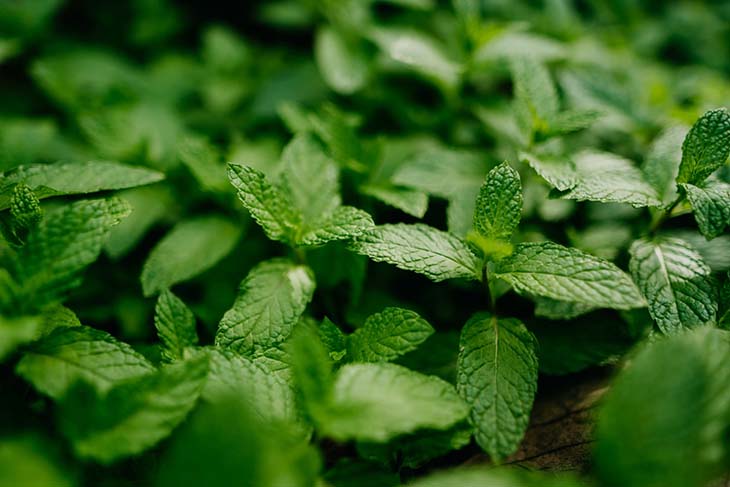
We all love the fresh scent of mint, but rats and mice certainly do not! The fragrant leaves of the mint plant work as a natural repellent for rodents. To keep these pests away, plant mint around the perimeter of your house or in your garden. Mint is also effective at repelling insects and can protect your vegetable garden from pests like bedbugs, aphids, and flea beetles. Place a few bunches of mint inside your home or in the basement to enjoy a fresh, pleasant smell while keeping rats and mice away.
5. Chamomile
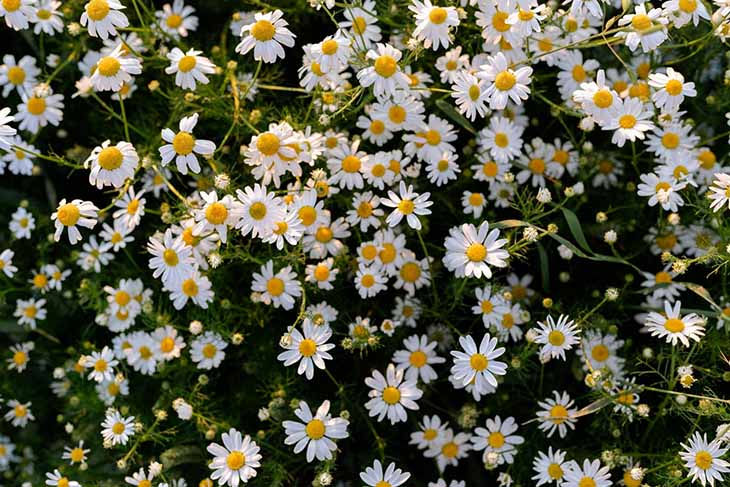
Chamomile, with its delicate white flowers, is another plant that repels rats and mice. The strong scent of chamomile is unpleasant to rodents, and hanging dried bouquets in corners or sprinkling some around areas where rodents frequent will make them turn away. Chamomile’s gentle scent, which we find soothing, is actually quite effective at keeping these pests out of your home.
6. Cynoglossum Officinale (Rat-Dog)
Commonly known as rat-dog, this plant is specifically known for its ability to deter rodents. The scent of cynoglossum officinale is unbearable to rats, causing them to flee the area. You can use this plant by pouring boiling water on its branches and placing them in areas where rodents are present. For more thorough protection, plant rat-dog near trees or buildings. While it’s an effective repellent, be cautious as the decoction of this plant is toxic and should be handled with care.
Tips for Further Protecting Your Home
In addition to planting these repellent herbs, there are a few preventative measures you can take to further discourage rodents from invading your home:
- Biodiversity can be a helpful tool. Cats are natural predators of rodents, so adopting a cat may help keep the pests away.
- Clear the ground around your plants, ensuring the earth is compacted and the grass is well-cut to reduce hiding spots for rodents.
- Avoid mulching your crops, as it can provide rodents with shelter.
- Wire mesh around the trunks of fruit trees can serve as a barrier against rodents.
- Scatter ashes, crushed garlic cloves, or mint leaves around areas you wish to protect.
By systematically applying these herbal solutions, you can effectively drive rodents out of your home and garden without resorting to harsh chemicals. These natural repellents not only protect your plants but also create a safe and healthy environment for both you and your pets.
Conclusion
With these 6 powerful repellent plants—tansy, elderberry, wormwood, mint, chamomile, and cynoglossum officinale—you can easily protect your home and garden from rats and mice. These herbs offer a natural, safe, and non-toxic solution to keep unwanted rodents at bay, ensuring a rodent-free living space without the need for chemicals or traps.