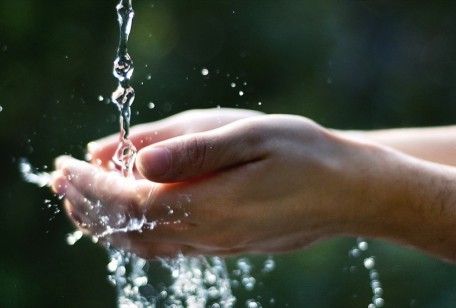
By adopting a few simple daily measures, it is possible to save water both at home and in the garden. Water is one of the most precious resources, and conserving it will not only benefit our wallet but also be good for the environment. Below are several useful tips and strategies for saving water at home and in the garden.
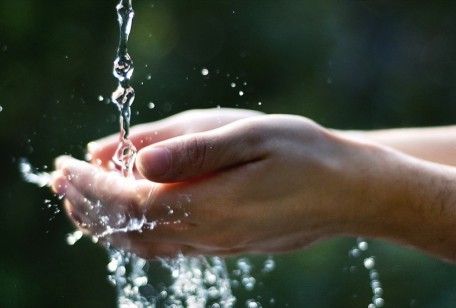
A primary tip for saving water at home is to regulate the toilet flush. With each flush, approximately 10 liters of water are consumed, representing about 30% of the water usage in a household. To save water, consider installing a cistern with a double button for different flush options, or regulate the float of the flush for a smaller water capacity.
Additionally, check for leaks in your toilet and bathroom or kitchen taps. To save water in the shower, opt for a practical shower that uses about 40 liters of water, rather than a bath, which uses around 150 liters. While showering, avoid keeping the water tap on unnecessarily, such as turning it off when soaping yourself. Similarly, avoid letting the water run while brushing your teeth, and consider using a glass to rinse your mouth instead of letting the water flow freely from the tap. When washing your hands, be mindful to turn off the tap to save water.
To save water at home, consider installing air mixers on your taps. These systems mix air with water to increase the volume, leading to a 50% water savings. In the kitchen, using a bit of baking soda in a bowl helps clean fruits and vegetables more effectively while saving water. Additionally, instead of discarding the water, use it to water your plants.
Proper use of household appliances is also essential to saving water. When purchasing appliances, consider their energy class, which reflects not only electricity usage but also water consumption. Always use the washing machine and dishwasher when fully loaded and avoid using unnecessarily high washing temperatures.
In the garden, you can save water by collecting rainwater in special tanks. This rainwater can then be used for irrigation and watering plants, significantly reducing your water consumption. Also, avoid overwatering, which can damage plants and lead to excessive water use.