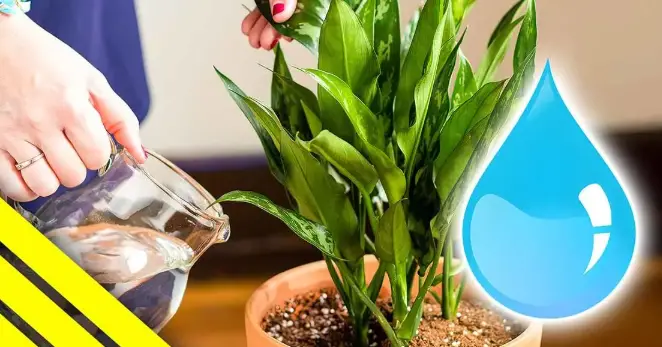
Water is a vital element in caring for indoor plants, promoting healthy growth and longevity. However, overwatering can lead to root rot, so it’s essential to understand when your plant actually needs water. Not all plants have the same water requirements — while some thrive on frequent watering, others prefer less attention. Here’s a practical guide to help you know when it’s time to water your indoor plants without causing harm.
The Stick Method: Simple and Effective
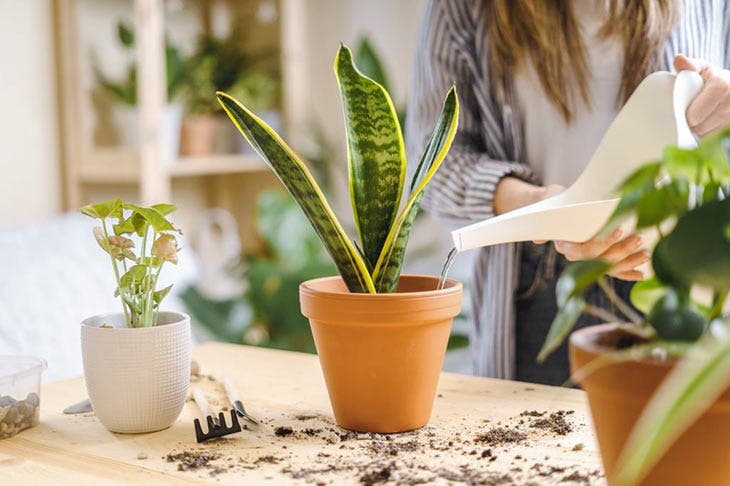
One of the easiest ways to determine if your plant needs water is by using a stick. Push a stick several centimeters into the soil, being careful not to touch the roots. After pulling it out, check the stick:
- If it’s dry, it means the soil needs watering.
- If soil pieces are stuck to the stick, it means the soil is still damp, and you don’t need to water the plant yet.
Other Practical Tips to Check if Your Plant Needs Water
Besides the stick method, there are other useful techniques to help determine when your plant is thirsty.
Check the Color of the Soil
The color of the soil can be a clear indicator of whether a plant needs water. Moist soil appears darker, while dry soil looks lighter. This method is particularly useful for plants that require consistently moist soil, such as ferns. However, be cautious when using this for succulents, like cacti, which tolerate drought. The soil may look dry on the surface but remain damp at the bottom, so avoid watering them in this case.
Push Your Finger into the Soil
For a more accurate check, you can push your finger into the soil up to 4 cm deep. If the soil feels dry all the way down, it’s time to water your plant. This technique is especially useful for small pots, which are usually not very deep. Just be careful not to damage the roots while doing so.
Lift the Pot
Another effective trick is to lift the plant pot. If the pot feels heavier than usual, it means there’s still water in the soil. If the pot feels light, it indicates that the soil has dried out, and your plant needs water. For larger pots, simply tilt them slightly to estimate the weight.
Check the Condition of the Foliage
The leaves of your plant can give you important clues about its water needs. Here’s what to look for:
- If the leaves are drooping and the stem is dry, your plant is likely underwatered. A light watering should help revive it.
- If the leaves are soft, and the stem is turning brown and soft at the base, your plant may have been overwatered. In this case, let the soil dry out before watering again.
Seasonal Considerations for Watering
Watering needs also change with the seasons. In autumn and winter, plants enter a dormant phase and require less water. However, indoor heating systems tend to dry out the air, so consider misting your plant’s foliage to help maintain moisture levels.
Best Watering Technique for Your Plant
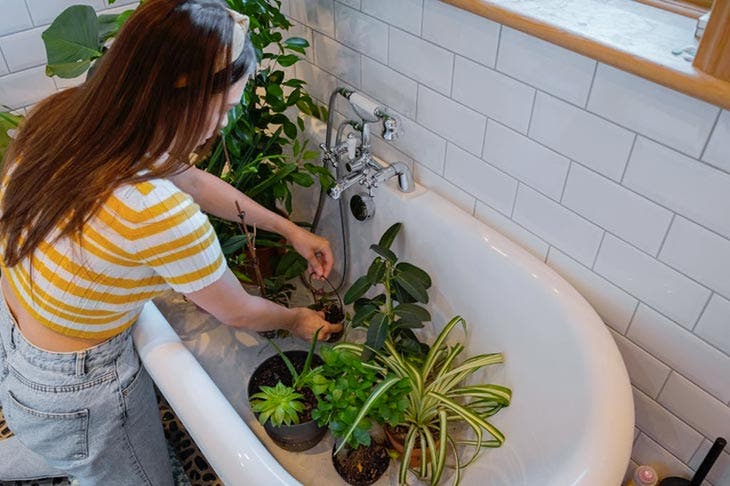
The most effective way to water your plant is by immersing the pot in a basin of water for several minutes. This allows the soil to absorb water gradually. Afterward, empty the basin and let the pot drain excess water. Additionally, it’s better to use non-calcareous water, such as spring water, at **room temperature for optimal absorption.
Conclusion
By following these simple tips, you can ensure your indoor plants are well-hydrated without risking overwatering, which can lead to root rot and wilting. Remember to regularly check the moisture level of the soil, observe the plant’s foliage, and adjust watering frequency according to the season. With a little care and attention, your plants will thrive beautifully!


