Salt is a common pantry item that most of us use daily to enhance the flavor of our meals. However, beyond its culinary uses, salt has many other applications—one of which could be a game changer for your garden. In this article, we’ll uncover how salt can benefit your plants and how to use it effectively.

Salt: A Surprising Helper for Your Plants
You’re probably familiar with the numerous health benefits of salt for your body, such as reducing hypotension or exfoliating your skin. But did you know that salt can also work wonders for your plants? It’s a little-known fact among amateur gardeners, who use it regularly to promote plant health and growth.
How Does Salt Benefit Plants?
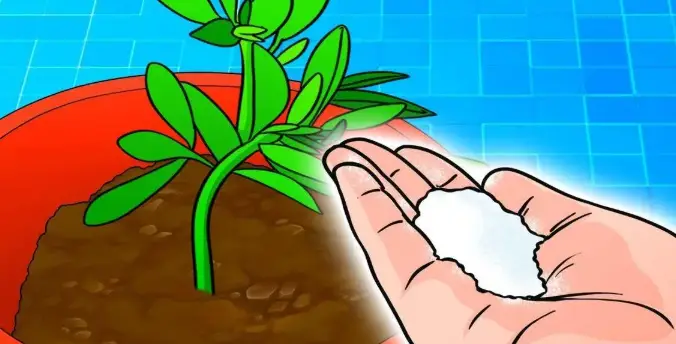
Adding salt to your plants’ soil can have several benefits. For starters, salt can simulate drought conditions by absorbing excess water from the soil. While most plants thrive in moist soil, certain plants, particularly those that don’t require a lot of water, can suffer from overwatering. In such cases, salt helps to regulate moisture levels, giving your plants the perfect balance.
However, it’s important to use salt in moderation. Too much can damage your plants, causing their leaves to burn. The solution? Epsom salt—a safer alternative. Epsom salt contains magnesium, an essential element for chlorophyll production in leaves. Chlorophyll is crucial for photosynthesis, allowing plants to convert light into energy.
How to Use Salt for Your Plants

To use salt effectively, you’ll need to create a diluted solution. Here’s how:
- Dissolve a large teaspoon of Epsom salt in one liter of water.
- Pour the solution into a spray bottle.
- Spray your plants every 15 days for optimal results.
This simple solution will provide your plants with the necessary magnesium while helping to manage their water needs.
Sugar: Another Secret Ingredient for Plant Care
While salt can benefit plants in various ways, sugar is another secret ingredient to boost your garden’s vitality. Just like humans, plants appreciate sugar, as it helps them regain their shine and energy.
Adding sugar to your watering routine not only nourishes your plants but also enriches the soil, promoting healthy growth. Additionally, the sweetness of sugar attracts bees and wasps, which can help rid your plants of pests and parasites.
Beyond the Garden: Everyday Uses of Salt

Salt isn’t just great for your garden—it also has several household uses you might not know about:
- Stain Remover: Salt is an excellent natural stain remover for blood, ink, or oil stains on clothes. Simply add a tablespoon of salt to your laundry and watch stains vanish.
- Cleaning Wooden Utensils: To clean wooden utensils, mix a handful of salt with hot water and soak your spatulas, spoons, and tongs in it. The salt will help remove any residue, leaving your kitchen tools sparkling.
Conclusion: Salt’s Versatility
Salt is an essential item in the kitchen, but its uses go far beyond cooking. Economical and widely available, it’s a versatile household item that can benefit your plants, help with cleaning, and even assist in your laundry routine. Keep some salt handy—you never know when you’ll need it!