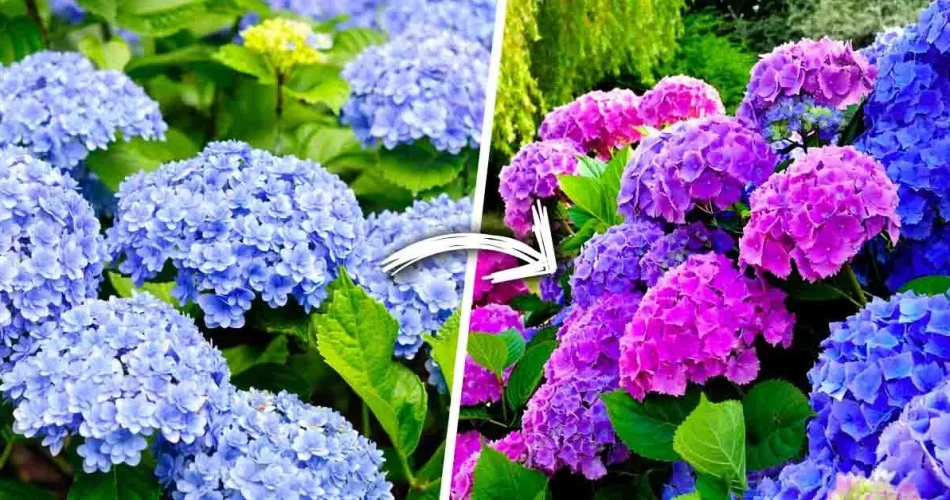
Hydrangeas are some of the most magnificent and popular ornamental plants used in gardens or on balconies. Their ability to change color, ranging from pink, red, blue, purple, and even green, depending on the soil’s pH, makes them a truly magical flower. If you want to enjoy their vibrant beauty in your garden, follow these simple care tips to keep them healthy and colorful.
What Makes Hydrangeas So Special?
Hydrangeas are native to Asia and North America and are loved for their chameleon-like appearance. They can be grown in both pots and the ground, and they’re easy to maintain. Hydrangeas thrive on frequent watering and moderate temperatures, making them perfect for adding a splash of color to any garden.
Key Tips for Healthy, Colorful Hydrangeas
To ensure your hydrangeas remain vibrant and full of life, here are some essential care guidelines:
1. Watering Your Hydrangeas
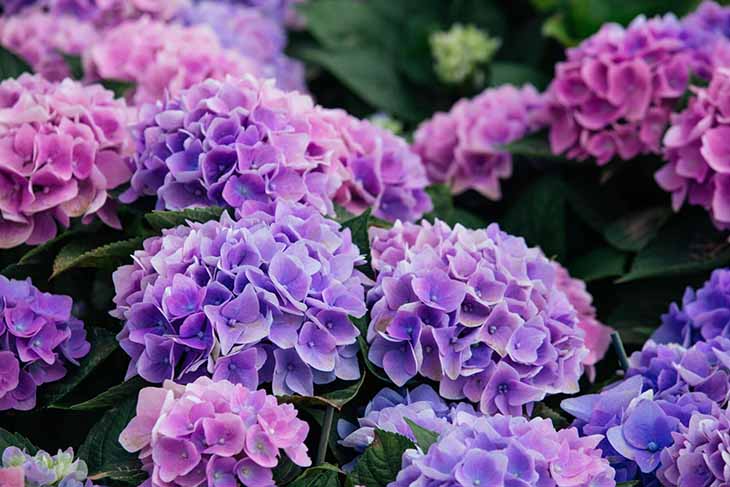
Hydrangeas love water! During the summer, it’s essential to water them frequently, ensuring the soil remains moist, especially if they are in pots. However, in winter, reduce watering to occasional waterings when the soil starts to dry out.
Important: Hydrangeas are sensitive to pH fluctuations in the soil, so use rainwater or room-temperature water to avoid shocking the plant.
2. Temperature and Light Requirements
Hydrangeas do not thrive in direct sunlight, so place them in a bright spot but away from harsh sunlight. The ideal temperature for hydrangeas is around 18°C. Excessive heat can cause the stems to wilt and lead to damage.
During the winter, hydrangeas tolerate the cold well. You can keep them indoors near a window, but avoid placing them near radiators or heat sources.
3. Pruning Hydrangeas
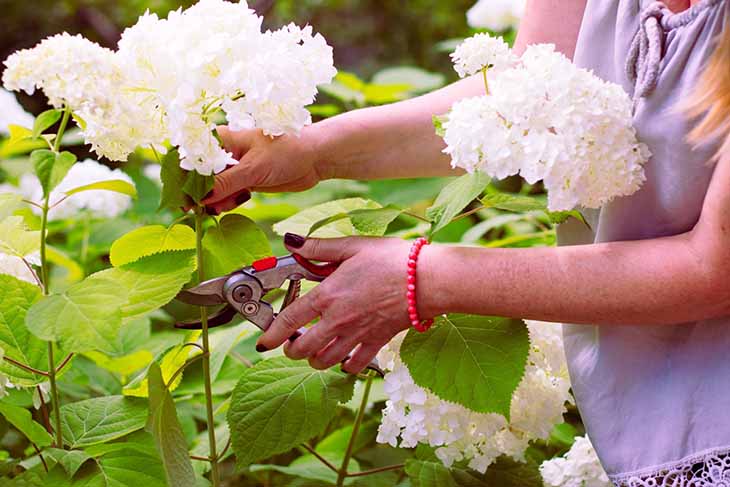
You don’t need to prune young hydrangeas, but once they reach about three years old, regular pruning will keep them healthy. Prune your hydrangeas in early autumn (the timing depends on the variety) to remove unproductive or dry branches. Always leave at least two buds on each stem and remove any branches over five years old to prevent fungus and pest issues.
4. The Ground and pH Control
The pH level of the soil plays a significant role in determining the color of your hydrangea flowers.
- Blue flowers: If the soil is acidic, the flowers will turn blue. To encourage this, add aluminum sulfate to the soil in spring.
- Pink flowers: If the soil is chalky, the flowers will turn pink or red. To promote this color, add ash or lime to the soil.
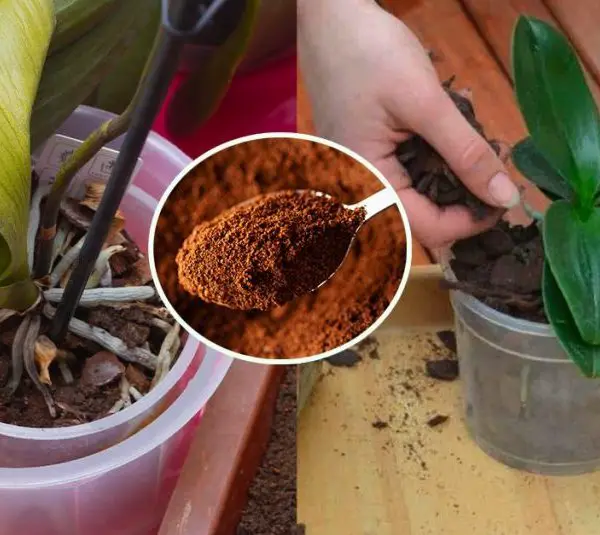
You can also use coffee grounds to increase soil acidity and help turn your flowers blue.
5. Fertilizing Hydrangeas
For healthy hydrangeas, frequent fertilization is essential, especially before flowering. Use a potassium-rich fertilizer once a week, mixing it into the water when you water your plant. This will encourage vibrant growth and abundant blooms.
6. Growing Hydrangeas in Pots
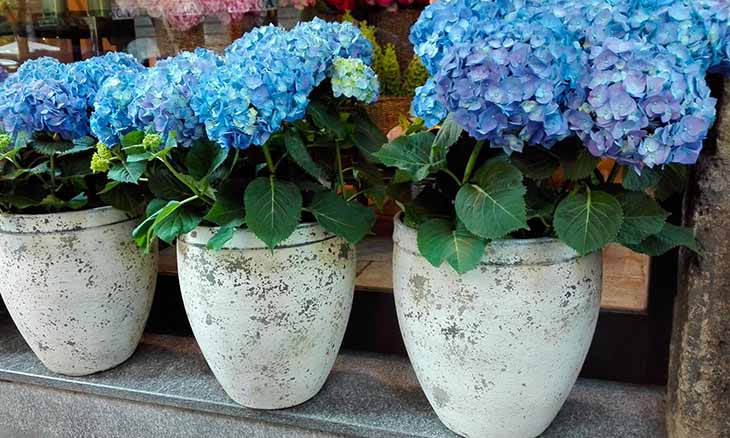
If you prefer to grow your hydrangeas in pots, make sure to choose a container with a diameter of at least 40 cm for smaller plants and 60 cm for medium-sized hydrangeas. This will give the plant enough space for its roots to grow.
7. Dealing with Diseases and Pests
Like many plants, hydrangeas can suffer from pests and diseases. Here’s how to tackle some common issues:
- Mycoplasma: If you notice deformed flowers, it could be mycoplasma. The solution is to remove the affected parts completely.
- Aphids and Mites: Use a natural remedy of Marseille soap mixed with water to spray on the plant to eliminate these pests.
- Mold: Combat mold with a mixture of baking soda and water. This will help prevent mold buildup and keep your plant healthy.
- Cochineal: Use Marseille soap as a natural remedy to rid the plant of this pest as well.
Conclusion
By following these simple tips, you can enjoy the stunning colors and elegance of hydrangeas in your garden. Whether you want them to bloom in shades of blue, pink, or even purple, with the right care and attention, these flowers will surely enhance your garden and bring beauty to your space for years to come.