Growing parsley successfully, whether in a pot or in an organic garden, requires attention to detail and adherence to certain guidelines. Here’s a comprehensive guide on how to grow parsley:
Origins and Characteristics:
- Parsley, with scientific names Petroselinum sativum, Petroselinum ortense, and Petroselinum crispum, is native to the Mediterranean basin and has been cultivated since ancient times.
- It is a biennial plant with a taproot and rosettes of bright green leaves. In the second year, it produces erect stems with umbel-shaped inflorescences.
Varieties:
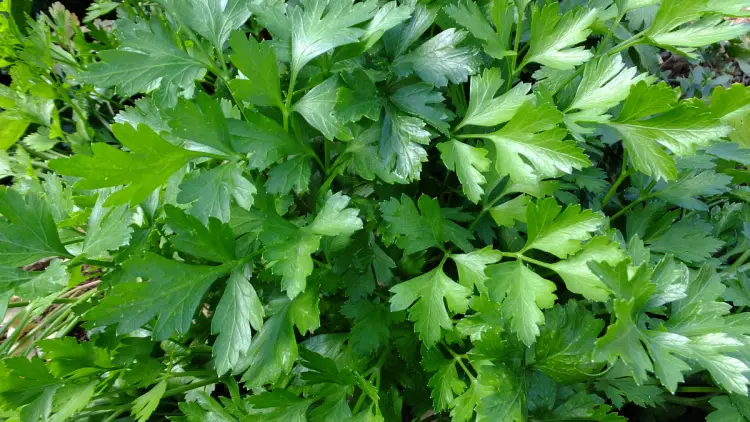
- Smooth-leaved varieties include common parsley and Giant parsley from Italy. Curly-leaved varieties include dark green curly parsley.
Sowing Period:
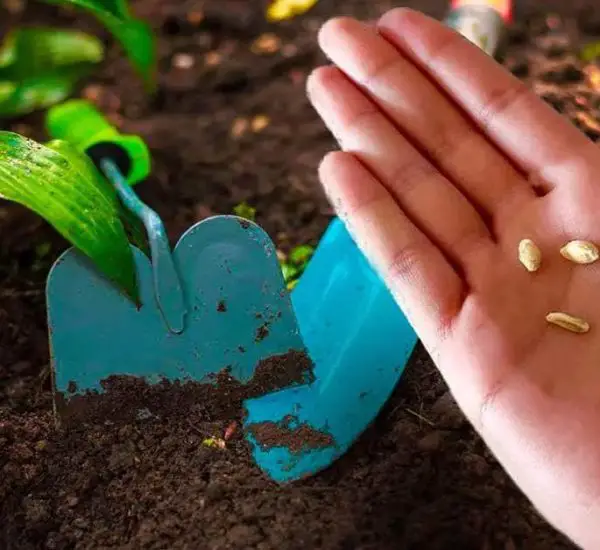
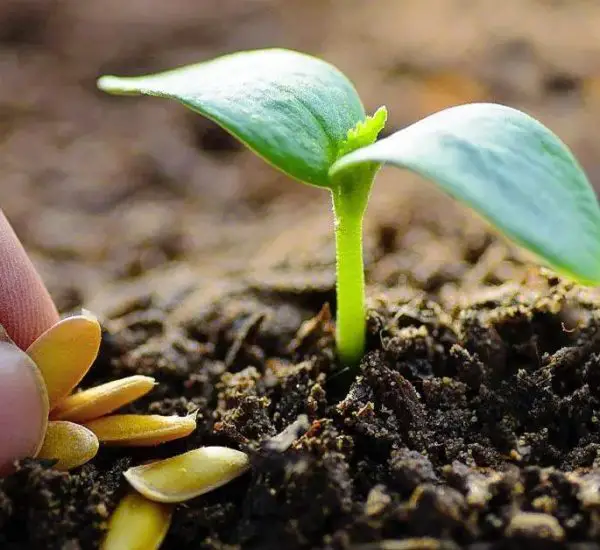
- Sow parsley seeds directly in the ground in early spring or in a seedbed in January or February for early growth.
- Autumn sowing is also possible with protection from winter frosts.
Growing in Pots:
- Use universal potting soil mixed with sand for drainage.
- Use pots with a diameter of at least 20 cm to allow space for growth.
- Thin out seeds to avoid overcrowding.
Cultivation in the Vegetable Garden:
- Amend soil with compost for organic matter and maintain a neutral pH.
- Keep soil moist but avoid waterlogging to prevent fungal diseases.
- Plant parsley near tomatoes for companion planting benefits.
Crop Care:
- Mulch around parsley plants to suppress weeds.
- Monitor for pests such as aphids and use natural remedies like garlic or neem oil for control.
- Watch for fungal diseases like powdery mildew and use organic solutions like sodium bicarbonate for treatment.
Harvest and Uses:
- Harvest parsley leaves by cutting them at the base of the crown as needed.
- Parsley regrows after harvesting, providing multiple harvest opportunities.
- Use parsley fresh in cooking, or dry and freeze it for later use. It can also be used for medicinal purposes in infusions or decoctions.
By following these guidelines, you can successfully grow parsley in pots or in an organic garden, ensuring a steady supply of this versatile and flavorful herb for your culinary and medicinal needs.
Show Comments