Growing amaranth can be a rewarding experience, whether you’re interested in its ornamental beauty, its nutritional value, or its attraction to wild birds. Here’s a summary of the key points for successfully growing and planting amaranth:
Overview:
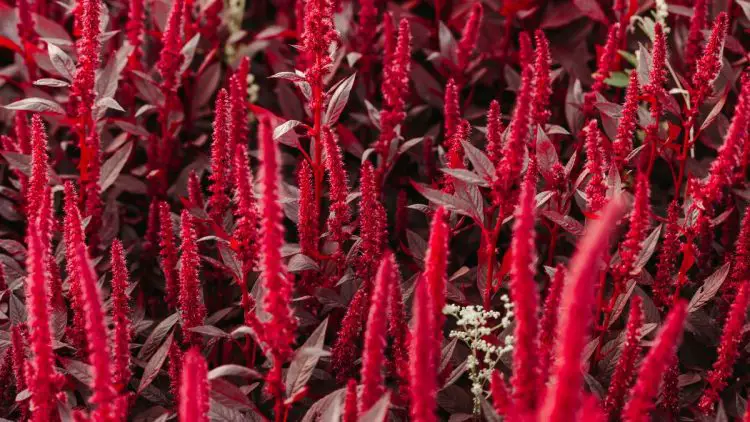
- Amaranth is a frost-resistant plant known for its ornamental crimson flowers and edible leaves and seeds.
- It’s rich in nutrients, with leaves high in vitamin C and iron, and seeds high in protein and calcium.
- Birds are attracted to amaranth seeds, making it a good choice for wild bird food.
Cultivation:
- Amaranth is a semi-hardy, sun-loving annual that’s easy to grow from seed.
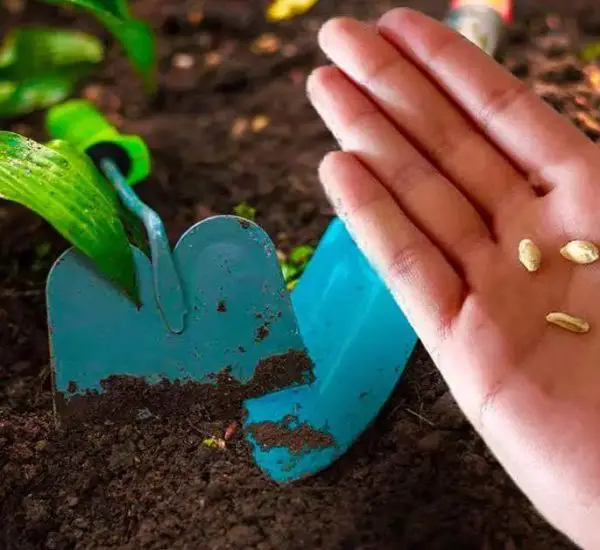
- Sow seeds indoors in early spring or directly outdoors in mid to late spring.
- Plant in full sun and well-drained soil, spacing plants 30 to 60 cm apart depending on variety.
- Water newly planted seedlings regularly until established, then only during dry periods.
Sowing and Planting:
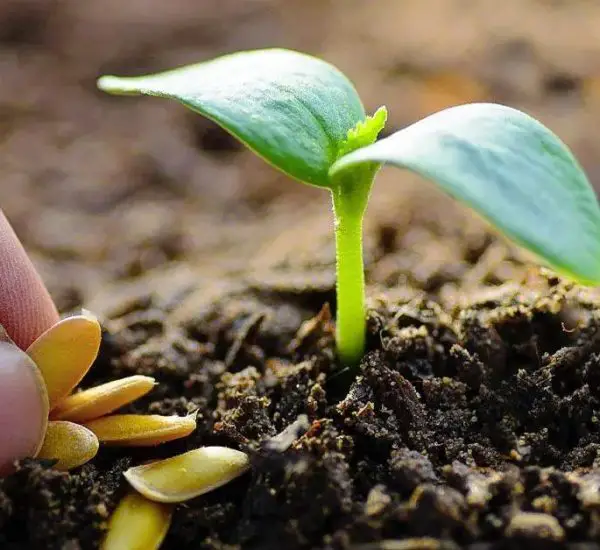
- Start seeds indoors in moist potting soil around March, avoiding covering the seeds.
- Transplant seedlings into individual pots or modular trays until they’re large enough to plant outdoors.
- Harden off indoor-grown seedlings before planting them outdoors after the last frost.
- Alternatively, sow seeds directly outdoors in moist soil in mid to late spring.
Harvest and Use:
- Harvest small, tender leaves for salads and use older leaves in various dishes like stir-fries and curries.
- Seeds can be harvested in late summer or fall by shaking the seed heads or cutting off the seed heads and allowing them to dry.
- Use seeds in a variety of dishes, similar to quinoa, for their nutty flavor and nutritional benefits.
Tips:
- Amaranth is usually grown from seed, but young plants can sometimes be found online in spring.
- Choose a sunny location for growing amaranth.
- Watch for viral diseases, which appear as pale or spotted leaves, and destroy affected plants.
- Inspect for aphids regularly, as they can transmit viruses, and control small infestations manually or with chemical-free methods.
By following these guidelines, you can successfully grow and enjoy the beauty and benefits of amaranth in your garden.
Show Comments