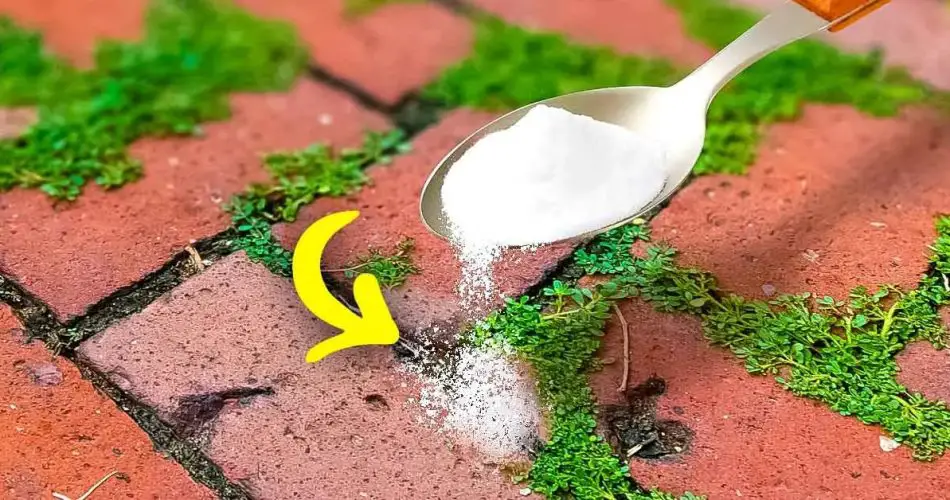
Weeds have a way of creeping into every corner of the garden, especially between paving stones and terraces. Despite our best efforts, these invasive plants always find a way to resurface. However, you can eliminate weeds growing on self-locking paving stones with natural remedies that are both effective and environmentally friendly.
Why Weeds Grow in Between Paving Stones
Weeds often take root in the cracks between self-locking paving stones, making your exterior look untidy and unkempt. These invasive plants are not only unsightly but can also damage the integrity of your hardscapes. To remove them without resorting to harsh chemicals, it’s better to turn to natural solutions that have been proven to work.
Natural Solutions to Weed Self-Locking Paving Stones
If you’re dealing with moss or weeds on your terrace or patio, there’s no need to panic. You can make them disappear using a 100% natural weed killer, which is effective, economical, and ecological. And the best part? You likely already have some of the ingredients at home.
1. Vinegar: A Powerful Weed Killer
Vinegar is a versatile household product that can be used for many purposes, including as a weed killer. Thanks to its acetic acid, vinegar is effective at eliminating weeds and moss that grow on your patio paving stones.
How to use vinegar:
- Mix one part white vinegar with two parts water in a spray bottle.
- Spray the solution directly onto the weeds, covering the affected areas.
- Let it sit until the vegetation turns yellow and fades.
- Once the leaves are dead, simply pull them out from the ground.
For best results, repeat the process regularly to prevent new weeds from appearing. Vinegar is also great for cleaning stubborn stains like gasoline, engine oil, and grease from driveways.
2. Baking Soda: Dry Out Weeds Naturally
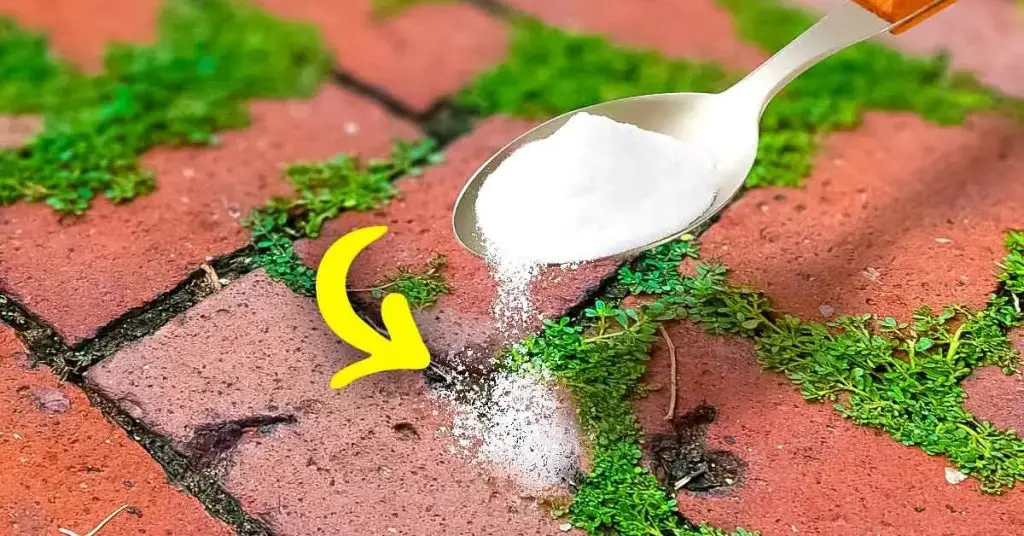
Baking soda is another powerful tool for fighting weeds. It’s a great option for targeting weeds growing between the cracks in your paving stones or paths.
How to use baking soda:
- Moisten the affected area with a garden hose.
- Sprinkle baking soda over the weeds, focusing on the roots.
- This will dry out the plants and weaken their roots, allowing you to easily remove them or let them decompose naturally.
- Reapply the baking soda every 4 to 6 weeks to keep weeds at bay.
3. Boiling Water: A Quick and Effective Solution
If you’re looking for an instant solution to kill weeds, boiling water is highly effective. It reaches the roots of the plants and causes immediate wilting.
How to use boiling water:
- Bring a pot of water to a boil.
- Carefully pour the hot water directly onto the unwanted stems and leaves.
- Be cautious when handling the water to avoid burns.
You can also use potato cooking water, as the starch in it acts as a natural weedkiller.
4. Salt: A Potent Natural Herbicide
Salt can also be used to eliminate weeds, especially in areas where you don’t plan to grow any other plants. The salt will dry out the weeds and kill them down to the roots.
How to use salt:
- Mix one part salt with three parts water.
- Apply the salt solution directly onto the weeds.
- The salt will effectively kill young shoots and prevent them from growing back.
Important Notes:
- While these methods are great for outdoor areas like walkways and patios, they can also harm nearby plants. Be sure not to use them near flowers or vegetable gardens.
- Salt, vinegar, and baking soda should be used carefully, as they can affect the soil quality if applied too liberally.
Conclusion
Weeding between self-locking paving stones doesn’t have to be a tough task. With natural remedies like vinegar, baking soda, boiling water, and salt, you can keep your outdoor spaces looking clean and tidy without relying on harsh chemicals. Give these solutions a try for a greener, more eco-friendly garden.


