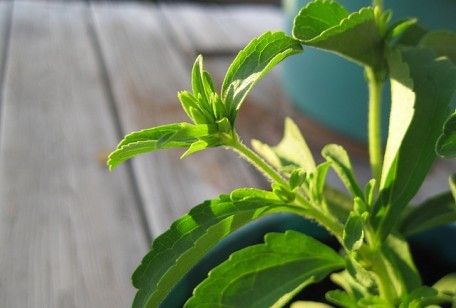

Stevia is a natural sweetener that is 300 times sweeter than sugar and, unlike sugar, it doesn’t cause weight gain or lead to tooth decay. Stevia rebaudiana, a perennial plant, offers an incredible alternative to sugar and artificial sweeteners. You can grow this beneficial plant in your own home garden, as it thrives at any latitude. Here’s some helpful advice on how to successfully grow stevia at home.

Where to Find Stevia Seeds
One of the most challenging aspects of growing stevia is obtaining stevia seeds. Unlike common herbs, herbalists and nurseries rarely carry them, and supermarkets don’t stock them either. However, you may have better luck in organic or fair trade shops, or you can easily find them online. Once you’ve secured the seeds, you’re ready to start cultivating.
Preparing the Soil for Stevia Cultivation

Stevia thrives in loose, well-drained soil, making it important to choose the right soil mix. An ideal combination would be organic soil, enriched with about 1/3 peat. The soil should be kept consistently moist, but not waterlogged, to ensure the roots aren’t suffocated. Spring is the best season to start growing stevia, as the plant flourishes during warmer months.
The seeds of stevia are incredibly small, almost invisible to the naked eye. Place them on the moist soil and cover them with a very thin layer of soil. This will prevent them from blowing away in the wind. It’s recommended to use a nebulizer for watering to avoid disturbing the delicate seeds with a traditional watering can.
Stevia loves the sun and requires full sunlight to grow optimally. Make sure to place it in a spot where it can soak up plenty of sunlight throughout the day. Stevia typically flowers towards the end of autumn, and can be propagated by seeds or cuttings.
Germination of Stevia Seeds

The germination time for stevia seeds can vary widely, from one week to a month or more, depending on your climate. It’s advisable to cover the seeds with a fabric or mesh to provide partial shade, which you can find at most gardening stores. This helps create a controlled environment for the seeds to germinate more effectively.
Once the seedlings begin to grow and develop their first leaves, you can transplant them into their permanent location. Keep in mind that stevia is sensitive to changes in temperature, so continue to protect the young plants from harsh weather until they’re established.
Caring for Your Stevia Plant
The most productive period for stevia is between late spring and early autumn. During this time, make sure to water the plant regularly to keep the soil moist. Additionally, it’s beneficial to fertilize the plant every so often. However, avoid using chemical fertilizers. Natural fertilizers are preferable, as they are gentler on the roots and support overall plant health.
By following these simple steps, you can successfully grow stevia at home and enjoy a natural, healthy sweetener right from your garden. With proper care, your stevia plants will thrive, offering a sustainable alternative to sugar for many years to come.