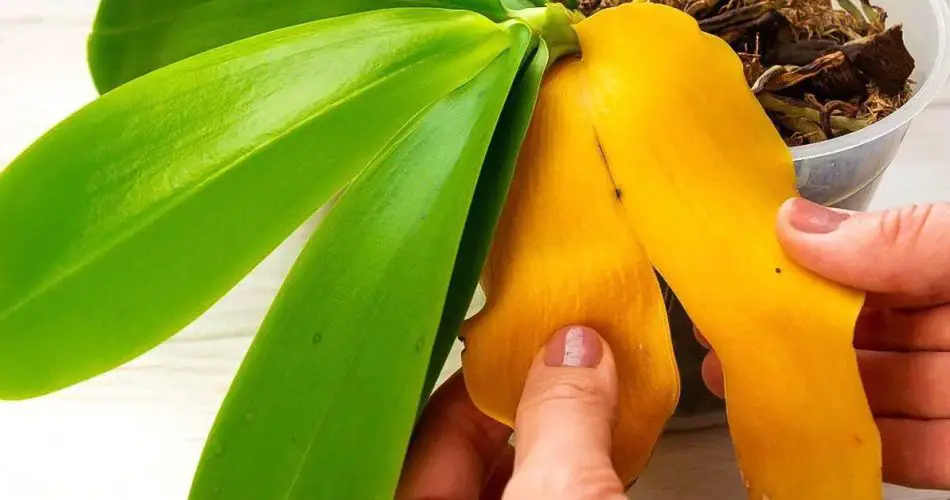
Orchids are a beautiful addition to any home, known for their vibrant colors and fragrant blooms. However, these delicate plants can be tricky to care for, and when not properly maintained, they can wither or die. Whether your orchid is wilted, dried out, or simply not thriving, don’t panic! With the right care, you can bring it back to life. Here are four essential tips to help you save your orchid and give it a second chance to bloom.

Dying Orchid: Causes and Reasons

Orchids are easy to grow, but they have specific needs when it comes to watering, humidity, and light exposure. Failing to meet these needs can cause your orchid to wilt or die. Gardening expert Melissa Strauss explains that overwatering is one of the most common reasons for orchid problems, but there are several other potential causes for your plant’s decline:
- Overwatering: Too much water suffocates the roots and causes rot.
- Underwatering: If an orchid doesn’t receive enough water, its leaves become limp and shriveled.
- Low humidity: Orchids need humidity levels between 60-80%.
- Excessive sunlight: Orchids like bright light, but too much direct sun can burn their leaves.
How to Know if Your Orchid is Dead

If your orchid’s leaves start to fall off, or it stops producing flowers, it may seem like it’s dying, but this might just be a dormant phase. After blooming, many orchids go into dormancy, during which their growth slows down. During this period, reduce watering and stop fertilizing.
To determine if your orchid is really dying, check these three key areas:
- The Leaves: Healthy leaves are firm and slightly green. Yellow or brown spots may indicate a virus, which is incurable.
- The Crown: This connects the leaves and roots. A healthy crown is firm, while a black, mushy crown indicates the plant is dying.
- The Roots: Healthy orchid roots are green or white. Brown or black roots are a sign of root rot.
How to Save a Dying or Wilted Orchid

If your orchid is on the brink of death, don’t give up! Follow these steps to revive your plant and restore its beauty:
1. Saving an Orchid with Rotten Roots
If your orchid’s roots have rotted from overwatering, here’s what you can do:
- Remove the Orchid: Take your orchid out of its pot and gently remove any soil stuck to the roots.
- Inspect the Roots: Trim off any rotten or mushy roots using sterile pruning shears.
- Apply Fungicide: Dust the remaining healthy roots with a fungicide like powdered sulfur to prevent infection.
- Repot: Replant your orchid in a new pot with well-draining soil. Orchids need a growing medium with air pockets for proper root circulation—consider bark, peat moss, or charcoal. Ensure your pot is disinfected to prevent the spread of fungi.
2. Restarting a Dehydrated Orchid
If your orchid is dehydrated from underwatering, follow these steps to rehydrate it:
- Soak the Roots: Fill a basin with room-temperature water and submerge only the orchid’s roots (not the foliage) for 20-30 minutes.
- Drain: After soaking, allow the pot to drain.
- Water Weekly: Repeat this process when the soil dries out completely, and water your orchid only once a week to prevent further dehydration.
3. Saving an Orchid Lacking Humidity
As a tropical plant, orchids thrive in high humidity. If your home is too dry, increase the humidity around your orchid:
- Use a Humidity Tray: Place a tray filled with water and gravel under your orchid pot. The stones will raise the pot above the water, allowing the orchid to benefit from humidity without its roots sitting in water.
- Place in the Bathroom: Orchids will do well in humid environments, so try moving it to the bathroom, where the humidity level is higher.
4. Saving a Sunburned Orchid
Excessive sunlight can cause the leaves of an orchid to burn, leading to dry or rotten areas. If this happens:
- Prune Burned Leaves: Trim the sunburned leaves with a clean, sharp pair of scissors.
- Apply Fungicide: Dust the cut areas with a fungicide to prevent infection and promote healing.
Tips for Ongoing Orchid Care
To maintain a healthy orchid, follow these simple steps to provide the right environment and ensure future blooms:
- Water Once a Week: Allow the soil to dry out between waterings to prevent overwatering.
- Provide Bright, Indirect Light: Place your orchid on a windowsill that gets morning or afternoon light, but avoid direct sunlight.
- Mist the Foliage: Spray the leaves every 2-3 days to maintain humidity.
- Fertilize Regularly: Feed your orchid with a special orchid fertilizer from spring to fall.
With these simple care guidelines, your orchid will thrive and may even reward you with new blooms. By following these tips, you can save a dying orchid and help it flourish once again!


