
Rosemary is a popular aromatic herb used in cooking to add rich flavor to dishes such as grilled meats, sauces, and vegetables. It also plays a key role in bouquets garnis and offers beautiful flowers in shades of pink, white, or blue. To enjoy healthy, large, bushy rosemary plants, regular pruning is essential. Here’s a guide on how and when to prune rosemary to achieve the best results.
The Benefits of Rosemary and Why Pruning Matters
Rosemary is not only a flavorful addition to the kitchen, but it’s also a perennial aromatic and medicinal plant with many health benefits. It has digestive, diuretic, antiseptic, and anti-rheumatic properties. Additionally, it is known for its ability to promote hair regrowth and help stop hair loss. To keep your rosemary plants healthy and vigorous throughout the year, regular pruning is crucial.
When to Prune Rosemary
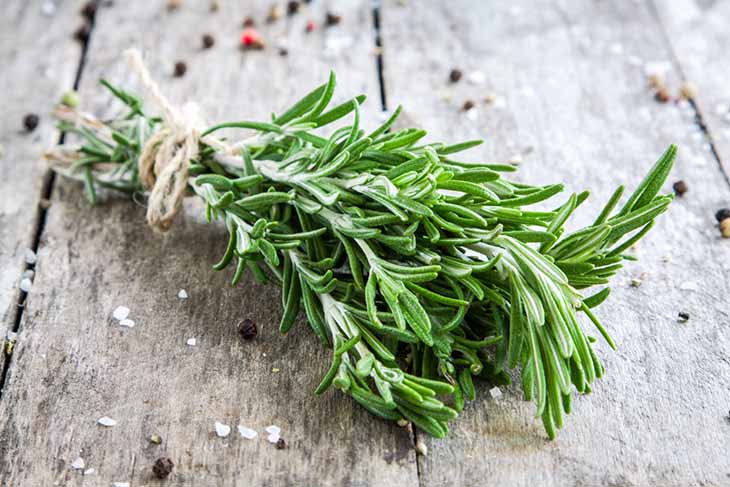
The ideal time to prune your rosemary plant is during spring or early summer, from March to June. This period promotes the growth of new healthy foliage, helping your rosemary develop into a large, bushy plant. Be sure to finish your pruning 4 to 6 weeks before the first frost of the season. This will give the new shoots ample time to harden and strengthen before the cooler weather sets in.
To maintain consistent growth, prune your rosemary every year during this same time frame.
How to Prune Rosemary
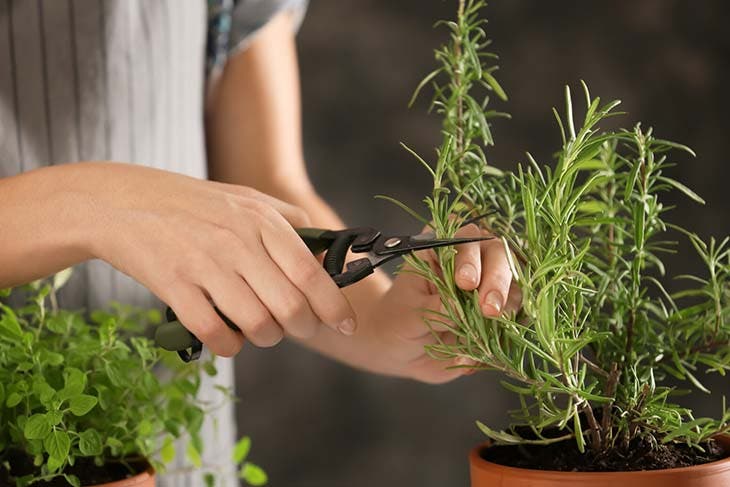
Step 1: Gather Your Tools To begin, make sure you have a sharp pair of pruning shears. A clean, sharp cut is essential for encouraging stronger regrowth.
Step 2: Remove Dead Flowers Start by removing any wilted or dead flowers. These are usually easy to spot as they appear damaged or have lost their color. Keep only the healthy flowers.
Step 3: Eliminate Damaged or Infected Stems Next, cut away any sick or damaged stems. If your rosemary plant has been affected by cold weather or fungal infections, you should remove the infected branches immediately. Fungal infections often cause yellowing or falling leaves. By eliminating the infected stems, you prevent the spread to healthy parts of the plant.
Step 4: Shape the Plant When pruning, avoid cutting too much below the lower leaves of the plant, as this can damage the foliage. For a more natural appearance, trim the outer stems at an angle, but be cautious to avoid making the shape too uniform. Rosemary naturally grows thicker and bushier in certain areas, so aim for a natural, healthy look.
How to Care for Rosemary
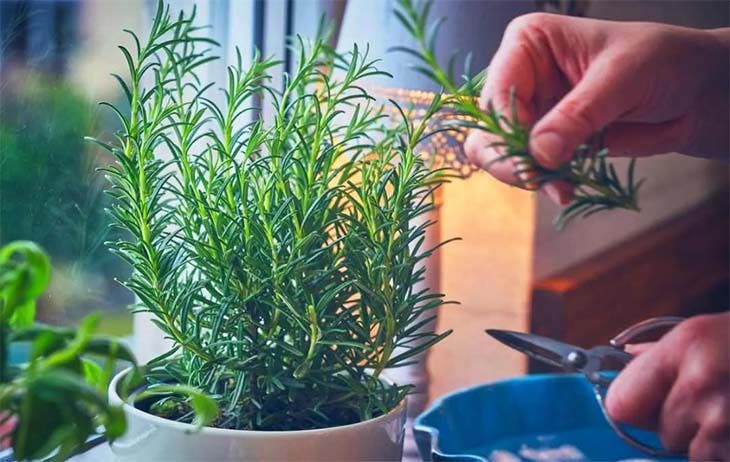
Rosemary is a Mediterranean plant that loves the sun and doesn’t fare well in frost or excess humidity. Here are some additional tips for caring for your rosemary:
- Potting: If growing rosemary in a pot, choose a container with drainage holes and use well-drained potting soil designed for aromatic herbs or vegetables.
- Watering: Water only when the soil is dry, as stagnant water can harm the plant. During its first year, rosemary needs consistent watering. Once it becomes established, it can withstand drought.
- Protection in Cold Regions: If you live in colder climates, cover the base of your plant with dried leaves to protect it from the frost.
- Weeding: Regularly clean around the base of the plant to avoid weed growth.
- Propagation: For propagation, opt for cuttings or layering, as sowing rosemary seeds takes more time.
Why Regular Pruning is Important
Pruning your rosemary regularly will not only help keep it looking great but will also ensure healthy growth year-round. Whether you use it for culinary, medicinal, or cosmetic purposes, maintaining a vigorous rosemary plant is easy with proper care and timely pruning.
By following these simple steps, you’ll be able to enjoy large, bushy rosemary plants that will enhance your garden, kitchen, and well-being.