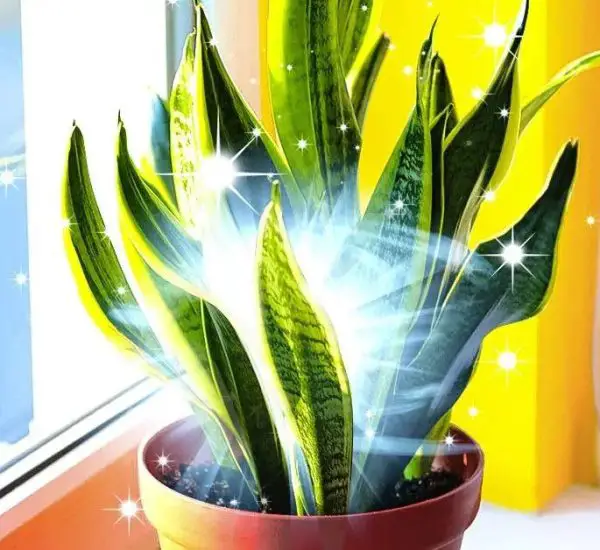
Houseplants can sometimes show signs of distress, like brown leaves, falling leaves, and dry stems. These are clear indicators that your plants are drying out or not getting the care they need. While some plants are low-maintenance, others require more attention to thrive. If your houseplants have lost their vitality, don’t worry—there’s still hope! Here’s how you can revive your dried-out plants and get them back to their healthy, vibrant selves.
1. Chinese Money Plant (Pilea Peperomioides) – A Trendy Indoor Plant

The Chinese Money Plant is known for its trendy, round leaves and ease of care. For optimal growth, this plant prefers indirect sunlight and cool, well-drained soil. If the leaves start curling, it could mean your plant has been exposed to too much light or heat. Conversely, falling stems can indicate underwatering, while yellowing stems suggest overwatering.
How to Save Your Chinese Money Plant:
- Water twice a week in summer and once a week in winter.
- Turn the pot occasionally to avoid deformation.
- If overwatered, repot the plant to allow it to breathe.
2. Aloe Vera – The Easy-Care Indoor Plant

Known for its medicinal properties and air-purifying benefits, Aloe Vera is a low-maintenance plant that thrives in bright but indirect light. If your Aloe Vera’s leaves turn brown, it’s likely a result of overwatering or poor drainage, causing fungal growth. On the other hand, dry, shriveled leaves may indicate underwatering.
How to Save Your Aloe Vera:
- Water once a week using spring or rainwater.
- Avoid direct sunlight, as it can dry out the foliage.
- If overwatered, suspend watering until the soil is dry again.
3. Monstera – The Tropical Indoor Plant with Lush Foliage

Monstera is famous for its large, lush leaves and tropical appearance, but it needs proper care to thrive. It requires a large pot to accommodate its XXL leaves and a regular watering schedule. Yellowing leaves indicate overwatering, while brittle, brown foliage is a sign of dehydration.
How to Save Your Monstera:
- Water regularly and use fertilizer to encourage growth.
- Repot every two years for optimal root development.
- Spray leaves with non-calcareous water to clean them.
- Add clay balls or gravel at the bottom of the pot for better drainage.
General Tips for Reviving Your Dry Houseplants:
- Check the soil regularly to avoid both overwatering and underwatering.
- Ensure proper drainage in pots to prevent root rot.
- Place plants in indirect light to avoid scorching from direct sunlight.
- Keep an eye on the humidity levels, as some plants, like aloe vera and monstera, prefer more moisture in the air.
Reviving dried-out plants takes patience, but with a little attention and care, your houseplants will soon flourish again. Keep these tips in mind, and you’ll be able to restore your plants to their former health and beauty!