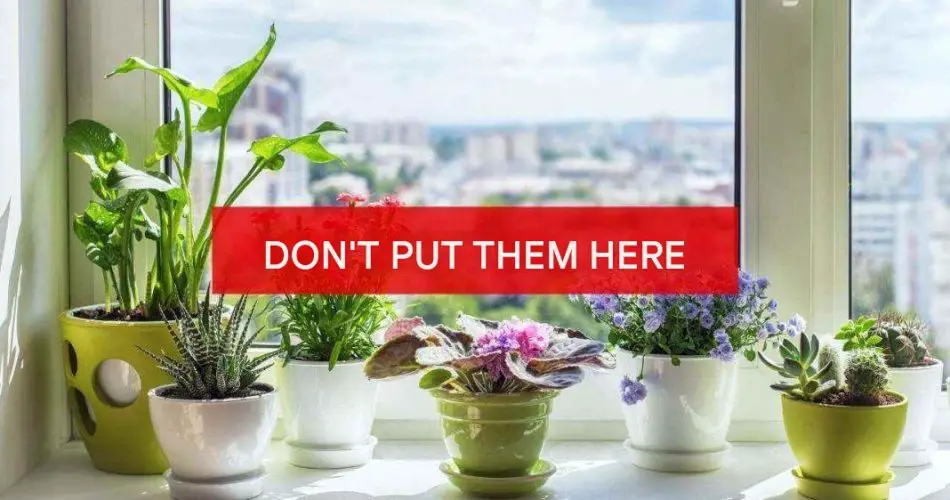
Did you know there are certain plants that you should avoid having in your home? Some houseplants can lead to unwanted consequences—let’s explore what these are and why they’re best kept outside!
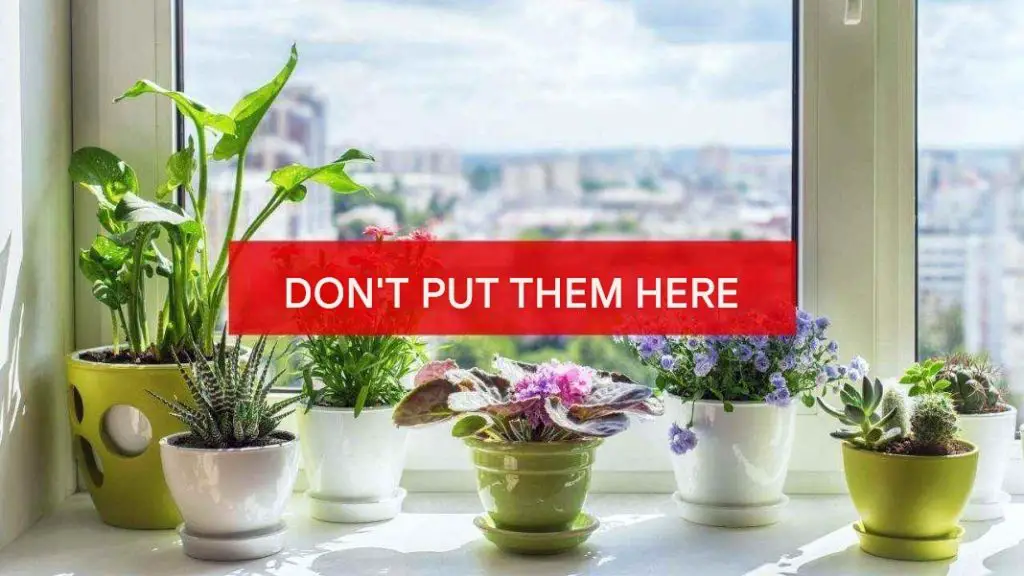
Why You Should Avoid Certain Plants Indoors
Many of us enjoy growing plants at home without considering their potential effects. However, according to Feng Shui, an ancient philosophy, there are specific plants that should be banned from indoor spaces. This belief is rooted in the idea that achieving the right harmony in your home environment is crucial, and that includes the plants you choose to keep.
While these concepts may lack scientific support, they are popular and suggest that some plants can harbor negative energies that affect the emotional and mental well-being of those living in the space. Here are the plants you should consider keeping outside:
1. Carnations
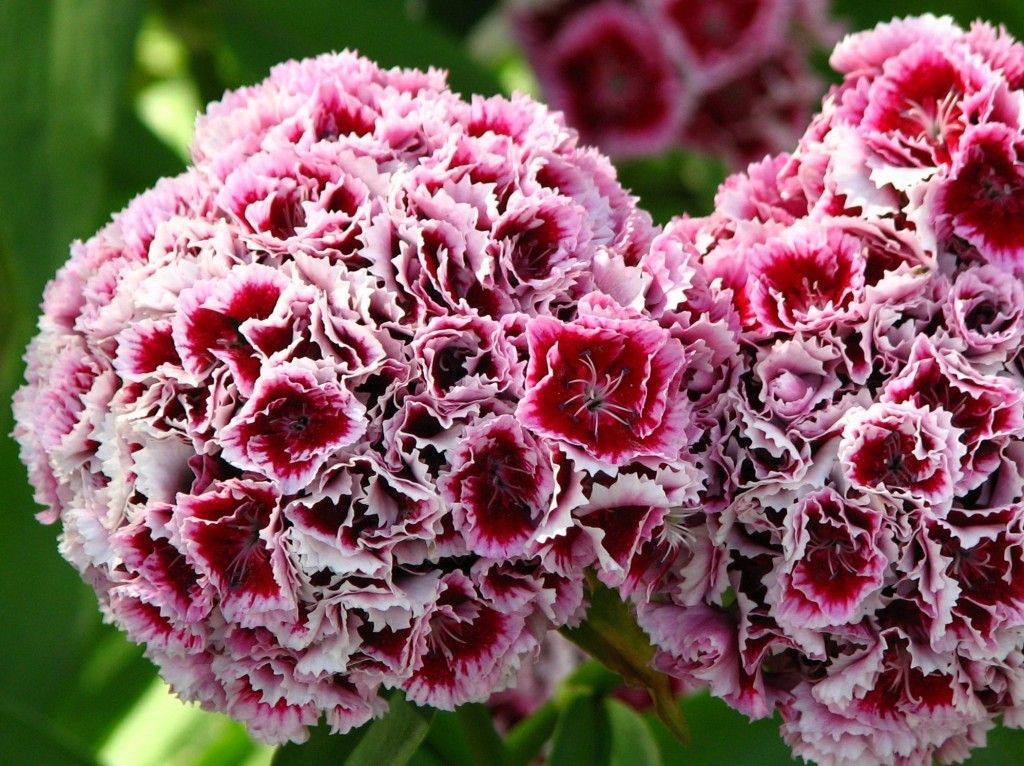
Carnations are beautiful flowers available in many colors, but they are believed to emit negative energy according to Feng Shui. This negativity can impact both the inhabitants and the home itself. If you can’t resist their beauty, consider placing them on your balcony or terrace instead of indoors.
2. Hydrangeas and Geraniums
Though hydrangeas and geraniums are prized for their stunning blooms, they are said to symbolize solitude and isolation in Feng Shui. These plants can absorb too much energy, making interpersonal relationships more challenging. To enjoy their beauty without the negative effects, keep them outside.
3. Philodendrons
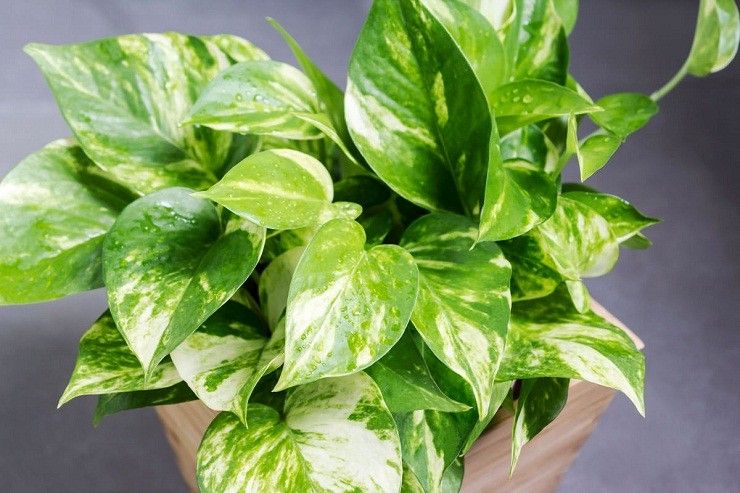
The Philodendron, a climbing plant, is also associated with attracting negative energy and conflicts. Its growth requires substantial energy, which Feng Shui claims can be harmful. Symptoms like fatigue and insomnia may arise from having this plant indoors. To avoid these issues, place your Philodendron outside where you can still admire it.
4. Bonsai
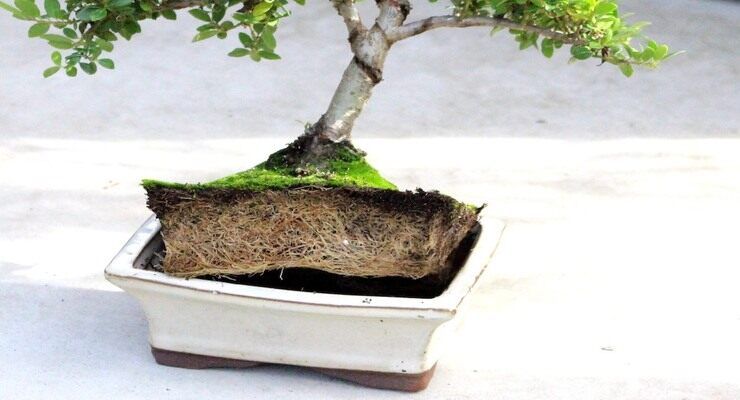
While Bonsai is often revered for its aesthetic and meditative qualities, Feng Shui views it as a symbol of limitations and obstacles. Though historically linked to patience and balance, the modern perception of Bonsai leans toward the negative. Therefore, it’s recommended to keep this plant outdoors, perhaps on your balcony.
Conclusion
Now that you’re aware of the plants you should avoid keeping indoors, you can better protect yourself from negative influences and create a more harmonious living space. Consider moving these plants outside to enjoy their beauty without the potential drawbacks!