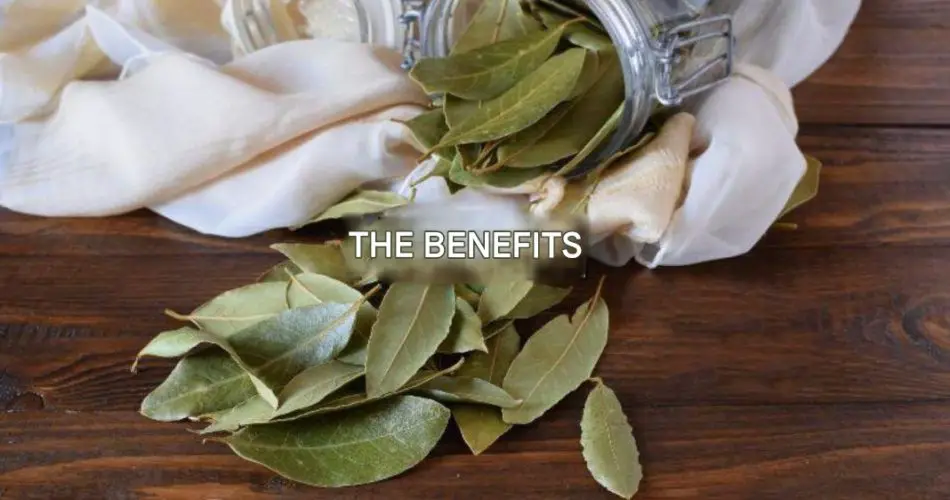
Laurel is one of the most widely used and recognized plants in the world, valued for its ability to address numerous problems, both health-related and otherwise.
The Benefits of Laurel
In ancient Rome, laurel was a symbol of triumph and today continues to represent victory, as seen in the crowns awarded to graduates. Additionally, it is a cornerstone of Italian cuisine, enhancing oils, herbal teas, and a variety of dishes with its exceptional flavor.
Origins and Uses of the Plant

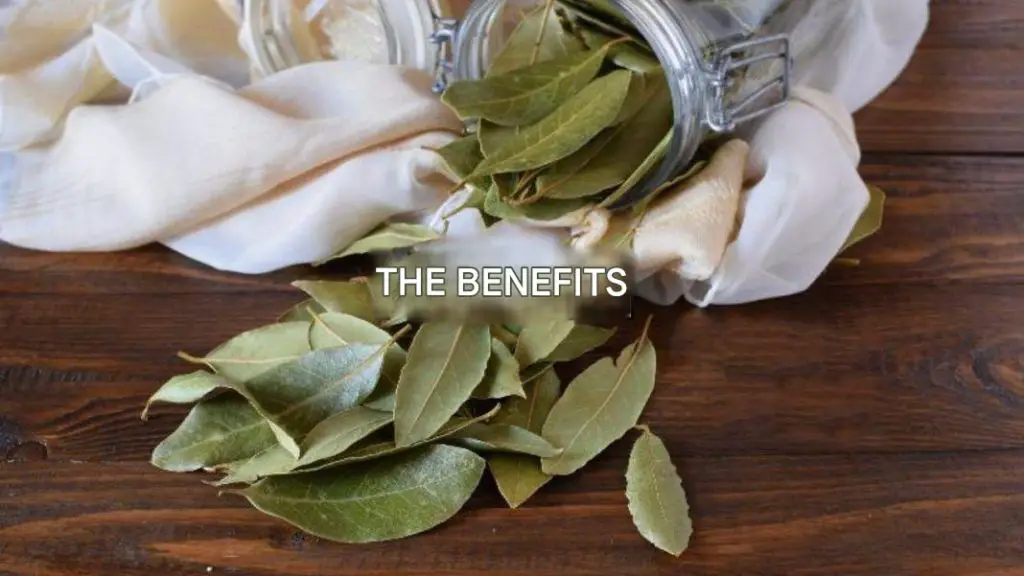
Native to the Mediterranean, bay leaves are easily identifiable by their pleasant aroma and dark green color. They possess numerous healing properties that are backed by science. These include being digestive, anti-inflammatory, antioxidant, and analgesic, among others. In some cases, these properties can serve as alternatives to medications.
What Does a Simple Bay Leaf Contain?

Bay leaves are rich in minerals like manganese, magnesium, and iron, along with folic acid and vitamins C, A, and B. Their versatility allows them to help with various conditions, such as relieving intestinal gas, aiding in bile expulsion, and even disinfecting wounds. They also promote relaxation and improve sleep quality.
How to Use Bay Leaves at Home for Benefits
You can incorporate bay leaves into your cooking by adding them to dishes during preparation, such as pan-fried chicken. For stress relief or digestive issues, steep a leaf or two in hot water. Simply boil 250 ml of water, add the leaf, and let it steep for 10 minutes before enjoying. Limit yourself to 3-4 cups of herbal tea daily to avoid adverse effects.
Caution: Not All Laurel is Safe

While supermarket bay leaves are generally safe, caution is necessary when foraging in the wild. Laurus nobilis, the common Mediterranean variety, is non-toxic, but cherry laurel and rose laurel contain harmful substances like hydrocyanic acid and should never be consumed.
Now that you know how to use bay leaves effectively, you can harness their many benefits safely!