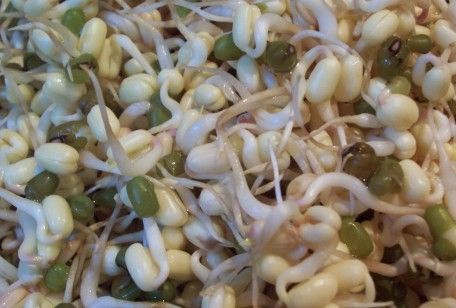
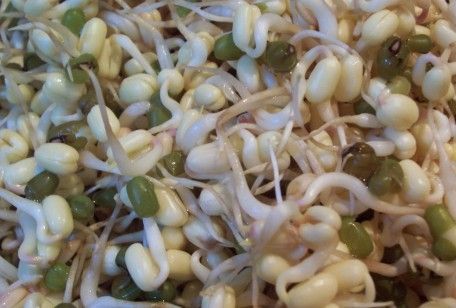
Growing Soybeans at Home: Soybeans are often overlooked, but soy sprouts offer incredible health benefits. They are not only tasty and highly digestible, but also packed with vitamins, minerals, and essential amino acids, making them an excellent natural supplement. Consuming soy sprouts can help control cholesterol and triglycerides, protect the heart and liver, and even combat stress and fatigue—both physical and mental. Learning to grow soy sprouts at home can therefore be a valuable addition to your health regimen.
Where to Buy Soybeans for Sprouting?
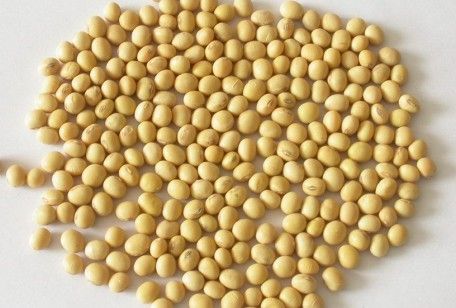
Soybeans
To grow soybeans at home, the first step is to purchase soybeans. Where can you find them? Look for them in well-stocked supermarkets or organic food stores. However, it’s important to choose the right type of soybeans. Seeds meant for sowing may have been treated with chemicals to preserve shelf life, so they are not ideal for sprouting. Cooking soybeans, while less expensive, often won’t germinate properly and can spoil, potentially becoming moldy. It’s crucial to avoid using moldy seeds as mold can produce harmful toxins.
How to Grow Soybean Sprouts at Home
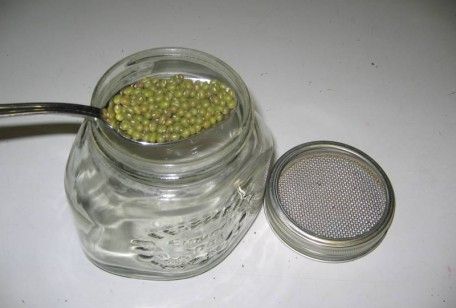
Soybean Sprouting
The easiest way to grow soybean sprouts is using a wide-mouthed glass jar. Here’s how:
- Measure the Seeds: Add about 2 tablespoons of small soybeans or 2 handfuls of larger seeds into the jar (this should be enough for 1 liter of water).
- Rinse the Seeds: Gently rinse the seeds with warm water, removing any damaged ones.
- Soak the Seeds: Fill the jar with water, ensuring the seeds are submerged by a couple of centimeters. Let the seeds soak for 8-12 hours (or overnight).
- Cover the Jar: To allow for proper air circulation, cover the jar’s opening with a veil (organza tulle from confetti bags works well) or gauze, and secure it with an elastic band. If you have a jar with a perforated lid, you don’t need any extra covering. Just ensure the seeds don’t dry out too much.
- Germinate the Seeds: Keep the jar in a warm place (at least 20°C), and rinse the seeds with water 2-3 times a day for the next 2-3 days, or until they have sprouted. Keep them covered with a kitchen towel or another container to shield them from light.
The germination speed depends on the room temperature. Once sprouted, the seeds should fill the jar.
How to Use Soy Sprouts

Using Soy Sprouts
Once the sprouts reach 3-4 cm in length, expose them to light for one day so they can develop chlorophyll, turning green. At this point, the soy sprouts are ready to use. They can be stored in the fridge for up to a week, with daily watering. When cleaning them, soak the sprouts in water and gently agitate them to make the peels float to the surface, where they can be easily removed.
Soy sprouts are incredibly versatile. You can add them to salads, sandwiches, or wraps, or simply enjoy them on their own. They pair wonderfully with mayonnaise, sauces, cheeses, or even just a drizzle of olive oil for a healthy, tasty snack.
Growing soybeans at home is not only a fun and easy project but also a way to add a nutrient-packed food to your diet. With just a little effort, you can enjoy fresh, homemade soy sprouts that provide numerous health benefits, all from the comfort of your own home.