Baking Soda: A Natural Weapon Against Garden Pests
Dealing with weeds, mildew, or stubborn green deposits in your garden? Baking soda emerges as a cost-effective and eco-friendly alternative to harsh chemicals. Let’s explore where and how you can effectively utilize baking soda in your garden while exercising caution where necessary.
Confusing Baking Soda with Caustic Soda
Before we delve into its garden applications, it’s crucial to distinguish baking soda (sodium bicarbonate) from caustic soda (sodium carbonate). Caustic soda, a laundry detergent, is considerably more aggressive and can cause harm to eyes and skin. Under no circumstances should undiluted caustic soda be used as a weedkiller in the garden.
Baking Soda: A Versatile Garden Remedy
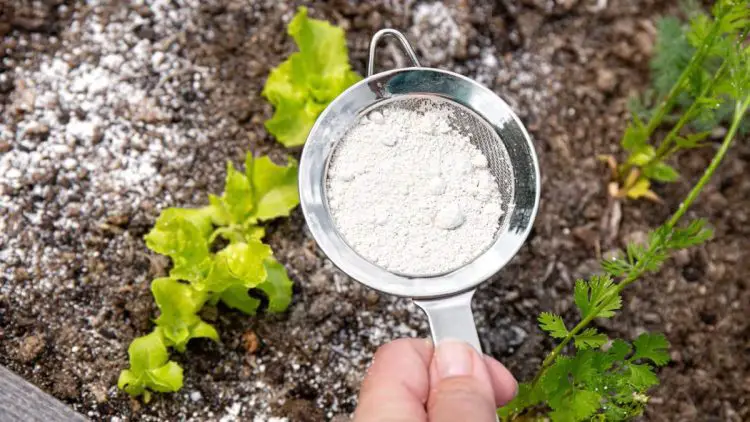
Baking soda, harmless to humans, acts as a potent insecticide and plant treatment in the garden. It disrupts insects’ systems and suffocates plants by clogging their stomata when water evaporates.
Combatting Powdery Mildew and Gray Mold
Powdery mildew, characterized by white deposits on leaf surfaces, and gray mold, common on strawberries, peonies, roses, and various summer flowers, can be effectively tackled with baking soda. Create a solution of one liter of water mixed with five grams of baking soda, then spray it onto affected areas multiple times a day using a spray bottle. Be cautious not to overdose the mixture, as it may cause burns on the leaves. Treat affected areas on cloudy days to avoid damage from direct sunlight.
Using Baking Soda Against Weeds
Unwanted weeds in your garden can also be targeted with baking soda. Boil a tablespoon of baking soda in a liter of water, allow it to cool, then carefully apply it to the weeds using a spray bottle. Maintain a safe distance of at least ten centimeters from desirable plants to prevent harm.
Removing Green Deposits
Baking soda proves effective in eliminating algae and moss from patios or driveways. However, it’s essential to note that using baking soda on sealed surfaces such as paved paths, terraces, sidewalks, or driveways is prohibited by plant protection laws. Violating this regulation may result in fines, as baking soda runoff can potentially contaminate water sources.