Fighting Aphids: 5 Effective Strategies
Your cherished plants can quickly fall victim to hordes of pesky pests, leaving them drained and struggling to survive. Here, we provide you with straightforward tips to combat these unwanted aphids.
Identifying Aphids
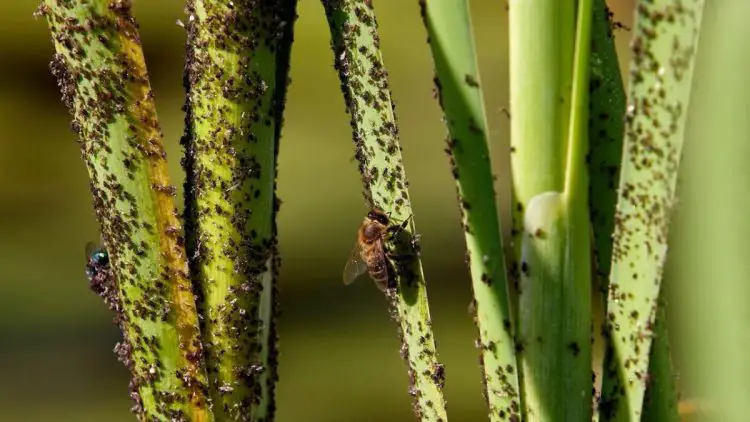
Aphids wreak havoc on your plants, whether they reside in indoor pots or flower beds. These tiny insects gather in large groups and voraciously consume your plants’ lush foliage, leaving a trail of devastation in their wake. Despite their small size, their sheer numbers make them easy to spot. Aphids come in various colors—black, white, red, green, yellow—and measure only one to two millimeters. Typically found underneath leaves, they latch onto veins with their proboscis, leaving behind unmistakable traces of honeydew—a sticky residue that stains the plant’s surroundings. Discolored, dried-out, and curled leaves are also telltale signs of aphid infestation.
Home Remedies to Combat Aphids
There are several measures you can take to effectively rid your plants of aphids, depending on whether they’re indoor or outdoor plants.
- Clean Infested Plants Begin by removing all affected leaves, cutting them off completely if possible. Then, shower the plant with a forceful jet of water, either in the shower for smaller plants or with a garden hose for larger ones.
- Move Houseplants Outdoors For affected houseplants, sometimes relocating them outdoors for a few days is sufficient. Other insects present in the outdoor environment may prey on the aphids, and many aphids simply dislike being away from their natural habitat.
- Utilize Home Remedies
- Soft Soap or Potassium Soap: Mix approximately 20 grams of detergent with one liter of water and spray the infected plant with this mixture. Exercise caution and test on a leaf first to ensure the plant’s tolerance.
- Garlic or Onion Decoction: Boil garlic or onion in water and spray the plant with the resulting mixture, as aphids dislike the essential oils present.
- Milk: Apply a mixture of milk and water in a 1:2 ratio to the affected plant, as the acidity is fatal to aphids.
- Rapeseed Oil: Mix 90 milliliters of rapeseed oil in five liters of water and apply to the plant, suffocating the insects.
- Vinegar: Dilute half a liter of vinegar in 4.5 liters of water to prevent new infestations.
- Nettle Decoction: Soak nettle leaves in water for 48 hours and spray the plant, as the odor drives away harmful insects.
Preventing Aphid Infestations
Maintain healthy, robust plants to minimize the risk of aphid attacks. In gardens, plant a variety of species rather than clustering identical plants together. Consider interspersing aphid-repellent plants like lavender, thyme, rosemary, sage, and savory among ornamental plants. Utilize vegetable oil treatments indoors and outdoors, as the oil film disrupts aphids’ oxygen supply and kills their eggs.
Plants Susceptible to Aphids
Certain cultivated, ornamental, and indoor plants are particularly vulnerable to aphids. These include apple trees, cucumbers, beans, strawberries, peppers, salads, jasmine, angel’s trumpets, viburnum, roses, orchids, petunias, palm trees, clematis, and bamboos.