Weeds can quickly take over your garden, ruining the beauty of your plants and lawn. While traditional weeding methods can be time-consuming and tiring, there are natural, powerful weed killers you can make with ingredients you likely already have in your kitchen. These homemade solutions are not only effective but also safe for the environment and your garden.
Why Choose a Homemade Weed Killer?
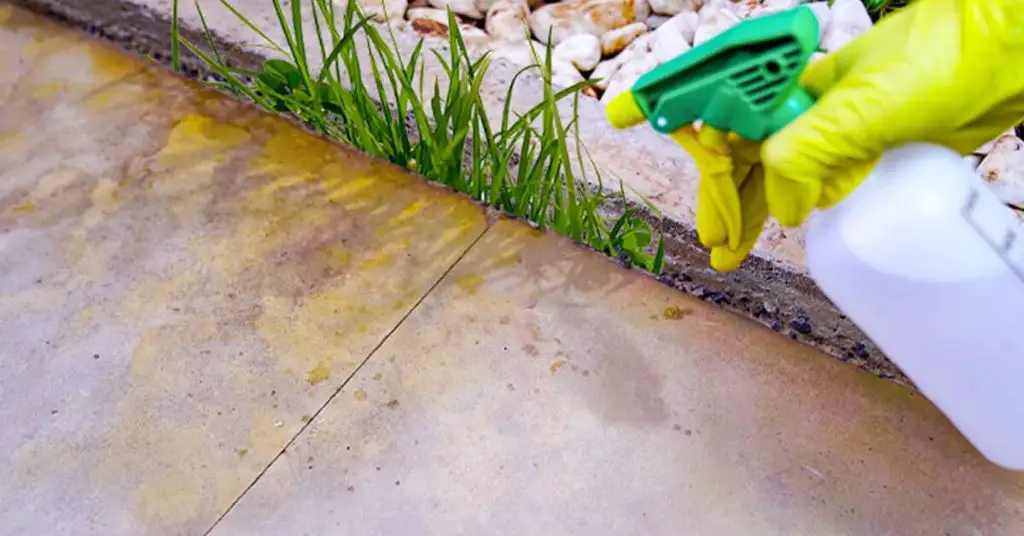
Weeds can be persistent and difficult to manage, often spoiling the look of your garden. While manual weeding is effective, it can be exhausting, especially with stubborn weeds. Commercial herbicides often provide quick solutions but are filled with harmful chemicals, some of which, like glyphosate, can have damaging effects on bees and other beneficial insects.
But did you know that common kitchen ingredients can create a powerful, natural weed killer? Read on for some simple and eco-friendly recipes to help you get rid of those unwanted weeds.
8 Natural Recipes to Make a Powerful Weed Killer
These natural weed killers are not only easy to make but are also safe for your plants, animals, and the environment.
1. Lemon Juice Weed Killer
Lemon juice is rich in citric acid, which dries out weeds and alters their structure, effectively killing them.
How to use it:
- Squeeze the juice of 5 lemons.
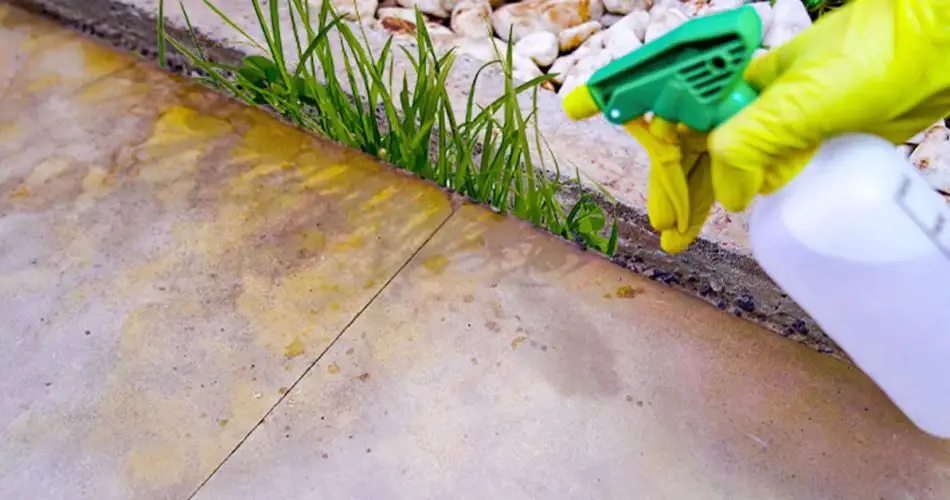
- Pour the juice into a spray bottle and spray it directly onto the weeds, ensuring the leaves and stems are fully soaked.
2. Baking Soda and Vinegar Weed Killer
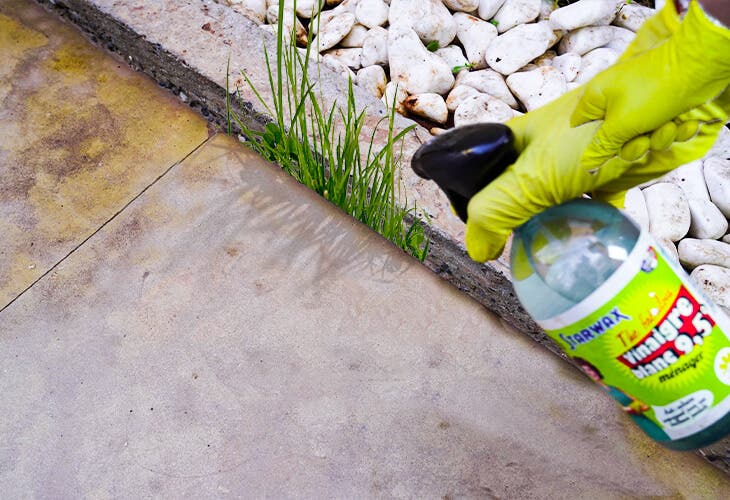
The combination of baking soda and vinegar creates a natural, safe remedy for weeds.
How to use it:
- Mix 250g of baking soda with 5 cl of white vinegar (optional: add a few drops of lemon juice).
- Pour the mixture into a spray bottle and spray directly on the weeds.
- Alternatively, sprinkle baking soda directly onto weeds (avoiding flowers or grass) and they will turn brown or black after a few days, making them easier to remove by hand.
3. Boiling Water
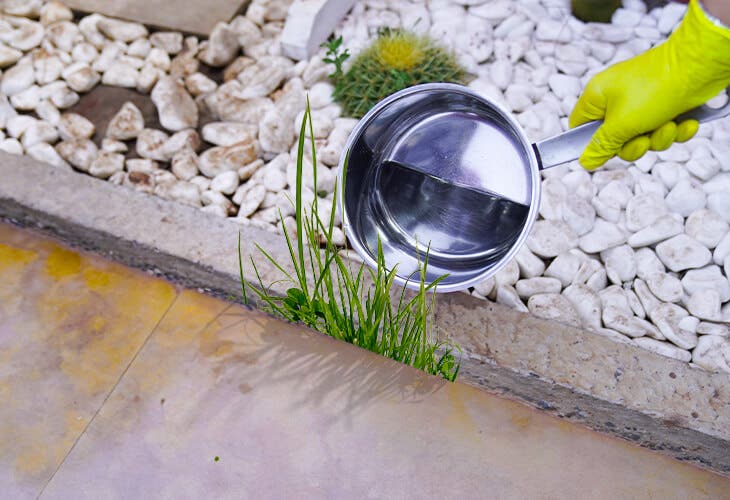
Boiling water is a simple yet effective way to kill weeds, especially in cracks or between pavement slabs.
How to use it:
- Boil water in a kettle or saucepan.
- Pour the boiling water generously over the weeds, ensuring it soaks into the roots.
- Repeat the process regularly to keep your outdoor space weed-free.
4. Corn Gluten Meal
Unlike other weed killers, corn gluten meal acts as a weed seed inhibitor. It doesn’t kill existing weeds, but it prevents them from germinating, especially crabgrass in lawns.
How to use it:
- Spread corn gluten meal evenly over your soil during the crabgrass germination period.
- Lightly water the area to make the powder adhere.
- For best results, avoid using this method while you’re seeding your lawn, as it will prevent all plants from germinating.
5. Propane Torch
A propane torch uses heat to burn weeds, much like boiling water, but with a more controlled approach.
How to use it:
- Get a long-handled propane torch.
- Direct the flame toward the center of the weed.
- Burn the weed until it wilts and dies.
Precautions:
- Never use the torch around children or pets.
- Always wear protective clothing.
- Avoid using it in windy conditions or near flammable areas.
6. 70% Alcohol Spray
Rubbing alcohol works as a dehydrator, drying out and killing weeds effectively.
How to use it:
- Mix 1/2 liter of water with 1 tablespoon of 70% alcohol.
- Pour the solution into a spray bottle and spray directly on the weeds.
- Repeat the process to see weeds gradually dry up and disappear.
7. White Vinegar
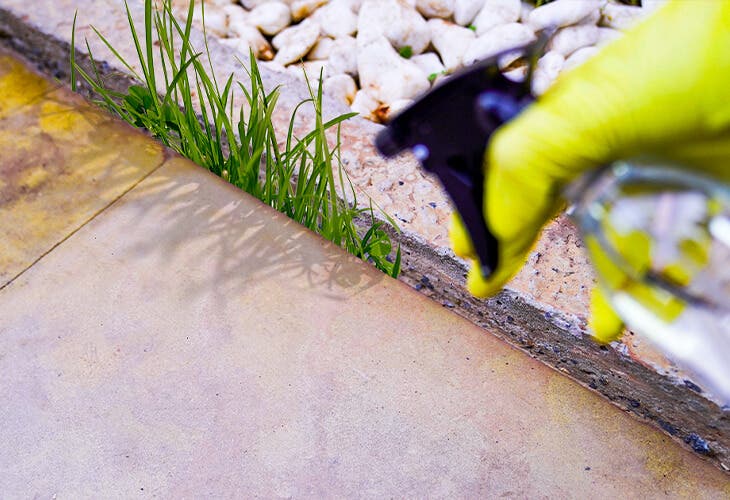
One of the simplest and most effective natural weed killers is white vinegar, which contains acetic acid. It works as a contact herbicide that breaks down the cell walls of weeds.
How to use it:
- Mix 1 liter of white vinegar with 1 tablespoon of dishwashing liquid.
- Pour the mixture into a spray bottle and apply it to the weeds.
- The acetic acid dries out the weeds, and the dish soap helps the vinegar stick to the plant longer.
8. Ultra-Powerful Vinegar, Salt, and Dish Soap Weed Killer
For a more potent weed killer, combine vinegar, salt, and dish soap to create a highly effective solution.
How to use it:
- Mix 1 liter of white vinegar, 10 ml of dishwashing liquid, and 40g of salt.
- Pour the mixture into a spray bottle and target the weeds.
- Let it sit for a few days, then pull the weeds by hand once they’ve died off.
How to Prevent Weeds Naturally
Weeding is important, but prevention is key to maintaining a healthy, weed-free lawn. Here are some natural ways to keep weeds at bay:
- Water deeply but less often: Water your lawn once or twice a week for about 10 minutes, ensuring the water reaches the roots. This encourages grass to thrive and prevents weeds from taking hold.
- Maintain healthy soil: Healthy soil is less likely to host weeds. Use organic fertilizers and keep your soil in top condition.
- Hand weeding: While it may be time-consuming, hand weeding ensures weeds are fully removed. Use a weeding tool or garden knife to dig out weeds, ensuring you remove their roots.
- Adjust your mowing routine: Mow higher to allow grass to grow denser, which will suppress weeds. Also, remove weeds before they spread their seeds.
- Mulching: After weeding, apply a thick layer of mulch around your plants to block sunlight and prevent future weed growth.
FAQ
How does vinegar kill weeds?
Vinegar contains acetic acid, which breaks down the cell walls of weeds, causing them to dehydrate and die.
How do I make an ultra-powerful weed killer?
Combine 1 liter of white vinegar, 10 ml of dish soap, and 40g of salt. This potent mixture will kill weeds fast and is easy to apply with a spray bottle.
What’s the difference between natural and chemical weed killers?
Natural weedkillers use plant-based active ingredients, like vinegar and salt, and are safer for the environment. Chemical weedkillers, on the other hand, use synthetic chemicals that can be harmful to health and the ecosystem.
By using these simple, natural remedies, you can keep your garden weed-free without relying on harmful chemicals. These recipes are both effective and environmentally friendly, so you can maintain a beautiful, healthy outdoor space with peace of mind.