Are you tired of the unsightly moss taking over your beautiful lawn? Moss is even more invasive than weeds, and if left unchecked, it can dominate your garden. Fortunately, there are natural remedies you can use to restore your lawn to its healthy, lush state. Below, we’ll share 8 effective home remedies for eliminating moss while keeping your garden eco-friendly.
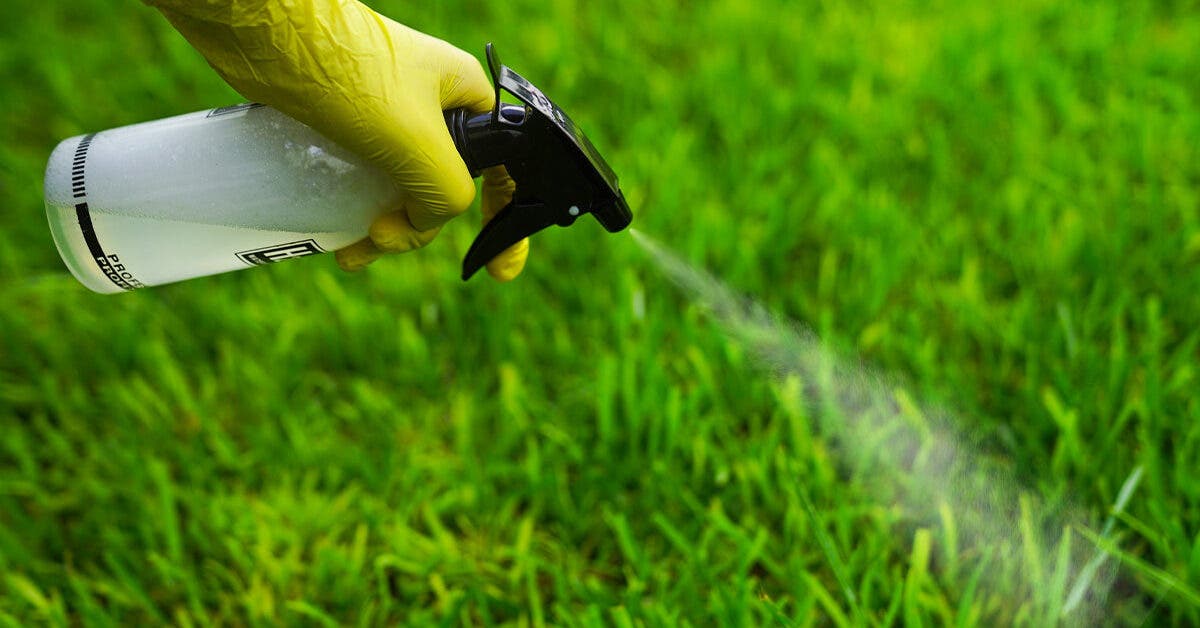
What Is Moss?
Moss is a primitive plant that lacks the typical structure of roots, stems, or leaves. Without these vascular systems, moss thrives in constantly humid environments. It’s robust, adaptable, and can grow almost anywhere, but when it invades your lawn, it takes over quickly. While moss can add an aesthetic touch in forests, it’s best kept out of your garden. Let’s look at how to deal with it naturally.
What Causes Moss to Grow on Lawns?
Moss is a sign that something’s off with your lawn’s environment. Several factors encourage moss growth:
- Acidic soil (low pH): Moss thrives in nutrient-poor, acidic soil.
- Compacted, wet soil: Poor drainage and lack of air circulation contribute to moss growth.
- Shady areas: Moss prefers shade, where grass has a harder time growing.
- Poor soil quality: Inadequate soil nutrition makes lawns more vulnerable to moss.
8 Home Remedies to Eliminate Moss from Your Lawn
Here are natural remedies that can help you remove moss without resorting to harsh chemicals.
1. White Vinegar
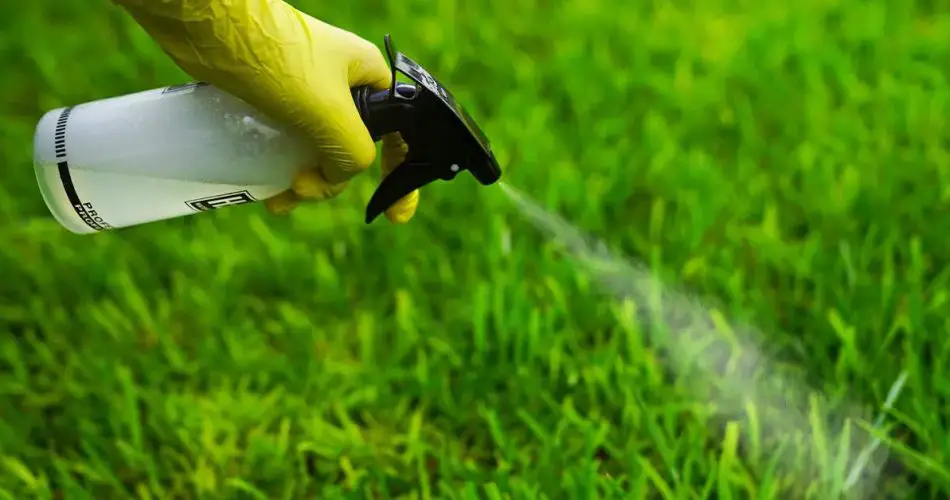
Thanks to its acidity, white vinegar is an effective tool for killing moss without harming the surrounding plants.
How to use it:
- Dilute white vinegar in hot or warm water.
- Spray the solution directly on the moss.
- Let it sit for several days to fully eliminate the moss.
2. Epsom Salt
Rich in magnesium, Epsom salt prevents moss growth by improving soil health.
How to use it:
- Spread approximately 1 kg of Epsom salt over 100 m² of lawn.
- Water thoroughly to help the salt penetrate the soil and eliminate moss.
3. Boiling Water
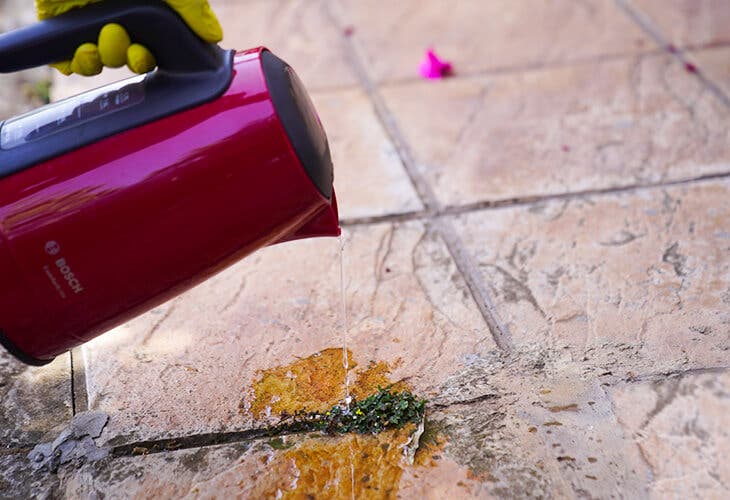
Boiling water is a fast and simple way to kill moss in specific areas like between slabs or sidewalks.
How to use it:
- Pour boiling water directly onto the moss.
- Repeat the process for a few days to ensure complete elimination.
4. Wood Ash
Wood ash contains lime, which is known to combat moss and improve lawn health.
How to use it:
- Collect untreated wood ash from your fireplace or stove.
- Sprinkle it directly onto mossy areas.
- After a few weeks, you can scarify your lawn to remove dead moss and encourage new growth.
5. Starch Water
Starchy water, like the water from boiled potatoes or rice, contains natural compounds that kill moss.
How to use it:
- Pour the hot cooking water directly onto the moss.
- Scrub the area with a stiff-bristled broom to remove the moss.
6. Black Soap
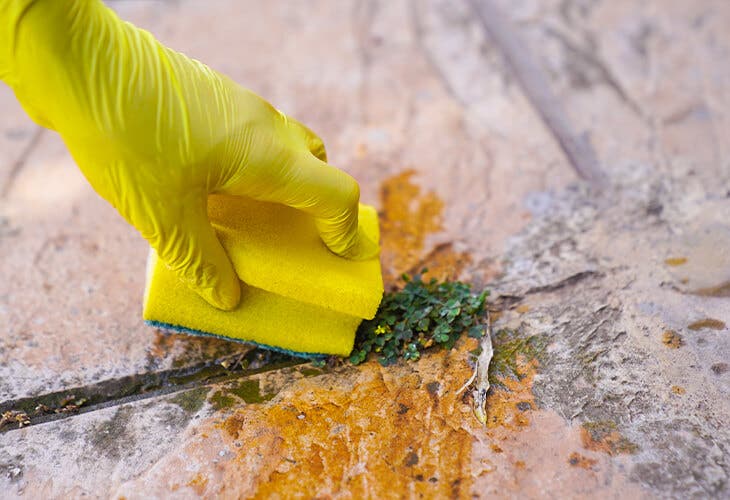
Black soap is a gentle, natural cleaner that can effectively remove moss from surfaces.
How to use it:
- Mix 200 ml of black soap in 5 liters of water.
- Add a small amount of natural dishwashing liquid for extra effectiveness.
- Soak a sponge in the solution and scrub the moss away.
7. Alcohol-Based Solution
Surprisingly, vodka can be an effective, eco-friendly herbicide.
How to use it:
- Sprinkle a small amount of vodka directly onto the moss and other weeds.
- Repeat as necessary to fully eliminate the moss.
8. Baking Soda
A grandmother’s remedy, baking soda is an inexpensive and reliable solution for moss removal.
How to use it:
- Mix 2 tablespoons of baking soda with 1 liter of water.
- Spray the solution on the affected areas.
- After a few days, rake the dead moss from your lawn.
When Should Moss Be Removed?
The best time to tackle moss is between late winter and early spring, before the growing season begins. Avoid doing it during extreme temperatures, either too hot or too cold, as these can stress the lawn. The key is to treat the moss before the grass starts growing again.
How to Prevent Moss from Forming on Your Lawn
Moss is often a sign of underlying lawn care issues. Here’s how to prevent it from taking over:
- Test soil pH: Regularly check if your soil needs lime to reduce acidity and promote grass growth.
- Improve drainage: Ensure water doesn’t stagnate on your lawn by enhancing drainage in problem areas.
- Trim trees and shrubs: Prune overhanging branches to let in more sunlight, which will help the grass grow.
- Aerate compacted soil: Aerate the soil to improve airflow and prevent moss from taking root.
- Maintain healthy grass: Keep your lawn fertilized and well-maintained so it can outcompete moss.
FAQ
What is the best homemade remedy for moss?
A mixture of 50/50 vinegar and hot water (or vinegar and bleach) is a simple and economical remedy for moss. Apply directly to mossy areas for best results.
Does white vinegar kill moss?
Yes, white vinegar kills moss due to its acetic acid content. Mix a tablespoon of distilled white vinegar with a gallon of warm water and spray it onto the moss to remove it.
How can I permanently remove moss from my lawn?
For permanent moss removal, use products containing potassium soap, fatty acids, or ferrous sulfate to dry out the moss. After treatment, rake the moss out and enjoy a healthy, moss-free lawn.
By using these natural remedies, you can eliminate moss and restore your lawn’s vibrancy. Try them out and enjoy a lush, healthy yard!