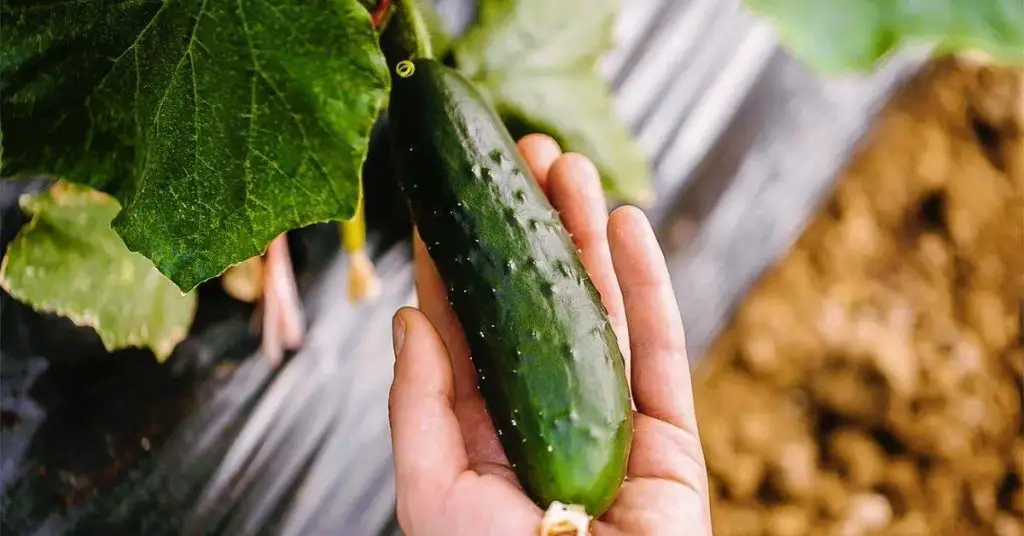
Cucumbers (Cucumis sativus) are a refreshing and hydrating vegetable, perfect for crisp salads on a hot day. If you’ve decided to grow cucumbers in your garden, there are a few critical mistakes you should avoid to ensure a successful harvest. From watering to soil quality, here are six key mistakes to steer clear of when planting cucumbers. Follow our advice, and you’ll be on your way to cultivating delicious, healthy cucumbers!
1. Poor Watering Techniques
Whether you’re growing cucumbers in a pot, planter, or directly in the ground, watering is one of the most important aspects of cucumber care. Inconsistent watering can lead to bitter-tasting cucumbers. Deep watering is the best method to ensure that the plant’s roots receive sufficient moisture. The roots will naturally dig deeper in search of water, so watering deeply will help maintain consistent moisture levels. Check the soil regularly by digging your finger in; if it comes out dry, it’s time to water!
2. Lack of Nutrients for Growth
Cucumbers need adequate nutrition throughout their growing season. Many gardeners mistakenly think that cucumbers don’t need additional nutrients once planted. Fertilize your cucumber plants when they start to flower and spread. Opt for a balanced fertilizer that boosts nitrogen levels, which is essential for healthy growth. Keep monitoring your plants until the season ends to ensure they continue getting the nutrients they need.
3. Poor Soil Quality
The soil you plant cucumbers in plays a major role in their success. Cucumbers prefer soil with a neutral to slightly alkaline pH, so it’s important to test your soil before planting. Make sure the soil is well-drained and consistently moist. Compost is a great addition to enrich the soil before planting. Leave plenty of space for your cucumber plants—at least 1 meter between each plant, especially if they’re growing horizontally.
4. Choosing the Wrong Cucumber Variety for Your Space
Different cucumber varieties grow in different ways, and it’s important to select the one that’s best suited to your garden. Bush varieties are more compact and can be ideal for smaller spaces, while other varieties produce larger cucumbers and require more space to sprawl. If you’re limited on space, consider using a trellis to let the cucumbers grow vertically. This will help save room and allow for more abundant growth.
5. Ignoring the Weather
The weather can have a significant impact on your cucumber plants. Cucumbers thrive in warm temperatures but are highly sensitive to frost and extreme cold. Check the weather forecast regularly to protect your plants from unexpected cold snaps. If a sudden drop in temperature is expected, cover your cucumbers with sheets or buckets to keep them safe from the cold.
6. Neglecting Pests and Diseases
Cucumbers are susceptible to various pests and diseases. Common pests include cucumber beetles and aphids, which can damage your plants if not dealt with promptly. Use insecticides to manage pests, but make sure to follow the instructions carefully. Cucumber plants can also be affected by fungal diseases, so it’s important to prune any infected parts and apply fungicide to protect the rest of the plant. Regularly inspect your plants, especially at night, for signs of pests or damage.
When to Plant Cucumbers?
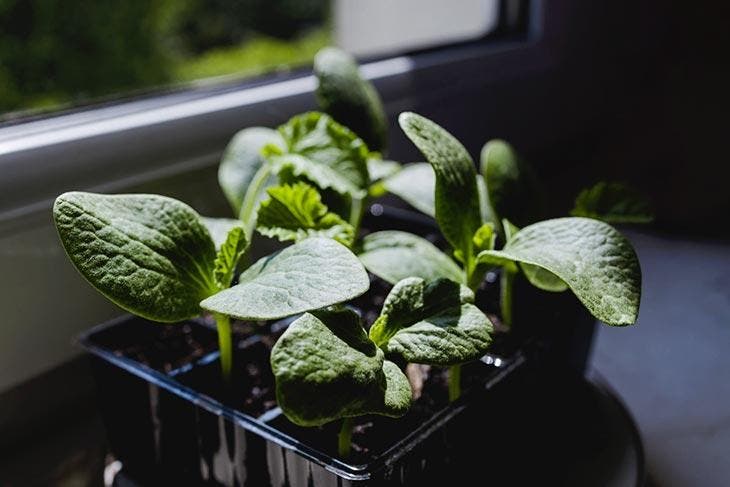
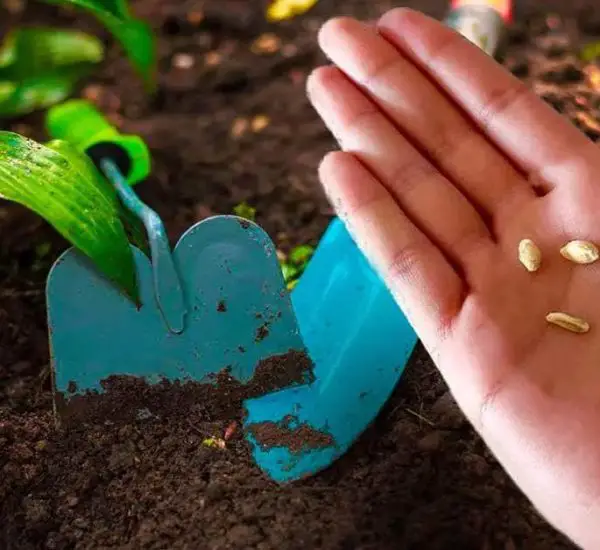
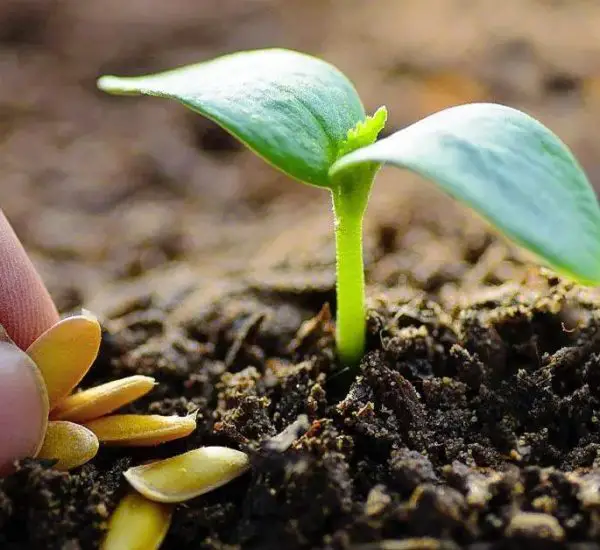
The best time to plant cucumbers is in spring, after the last frost. If you sow cucumber seeds in April, you can expect a harvest by August. For an earlier harvest, start seeds indoors about three weeks before planting them in your garden. Ensure the temperature stays around 21°C for optimal growth. Cucumbers are sensitive to frost, so wait until the soil is at least 21°C before sowing your seeds outdoors.
Conclusion
Growing cucumbers can be a rewarding and enjoyable gardening experience. By avoiding these common mistakes—watering correctly, providing the right nutrients, ensuring good soil quality, selecting the appropriate cucumber variety, staying alert to weather changes, and managing pests and diseases—you can ensure a bountiful and healthy cucumber harvest. Now that you’re equipped with all the essential tips, it’s time to grab your gardening tools and start planting!