Lemons are not only a detox powerhouse, packed with vitamins and antioxidants, but they also offer numerous benefits: purifying the body, whitening the skin, lightening hair, and even acting as a natural cleaner. With so many virtues, it’s no wonder you’d want to grow your own lemon tree at home! Imagine having an endless supply of fresh lemons without spending a penny. Well, good news: germinating lemon seeds is easier than you might think. Here’s how to do it!

Why Grow a Lemon Tree at Home?
Lemon trees are more than just a source of fruit—they bring fragrant flowers, glossy green leaves, and beautiful fruit in a range of colors from yellow to green. What’s even better is that the fruit remains on the tree for several months after ripening, making them easy to store for long periods. By growing your own lemon tree, you get a constant supply of lemons that are rich in vitamin C, flavonoids, and antioxidants, all of which help to fight free radicals and promote health.
How to Germinate Lemon Seeds Step-by-Step
1. Prepare the Seeds
Start by cutting a fresh lemon in half on a cutting board and remove the seeds. Be sure to discard any seeds that are shriveled or sliced, as they won’t sprout properly.
2. Test for Viability
Place the seeds in a glass of water. If the seeds sink to the bottom, they are good to plant. If they float, they’re likely not viable.
3. Clean the Seeds
To ensure successful germination, you must remove the coating around the seed. This coating contains sugars that can promote rotting. You can wash the seeds under the tap, or, for a quicker method, suck on the seed until the coating dissolves (yes, this may sound unusual, but it works!). Alternatively, use a knife to gently cut off the white shell, being careful not to damage the seed inside.
4. Keep the Seeds Moist
Once cleaned, don’t let the seeds dry out. Moisture is key to germination, so keep them in a glass of water or wrap them in a damp paper towel until you’re ready to plant.
Tip: It’s best to sow seeds in April, though they can be planted at any time of year. You can even use seeds from store-bought lemons, although some might not be viable.

How to Speed Up Germination
If you’re eager to see your seeds sprout sooner, there’s a simple method to accelerate germination:
1. Peel the Seeds
Using tweezers, carefully remove the layer that covers the seed. This will help speed up the growth process.
2. Create a Germination Chamber
Take a paper towel and fold it over itself, soaking it in water. Wring it out so it’s damp but not soaking wet. Place the lemon seeds spaced out on one half of the towel. Then fold the towel over the seeds and wrap it in aluminum foil. This creates a mini germination chamber.
3. Wait for Germination
Leave the seeds in a warm, dry place for 2 to 3 weeks. Check periodically for signs of germination.
Frequently Asked Questions (FAQs)
Can I Grow a Lemon Tree from Dry Seeds?
It’s not recommended to use dry seeds, as they have a much lower chance of sprouting. The fresher the seed, the better the chances of germination.
How Long Does It Take to Grow a Lemon Tree?
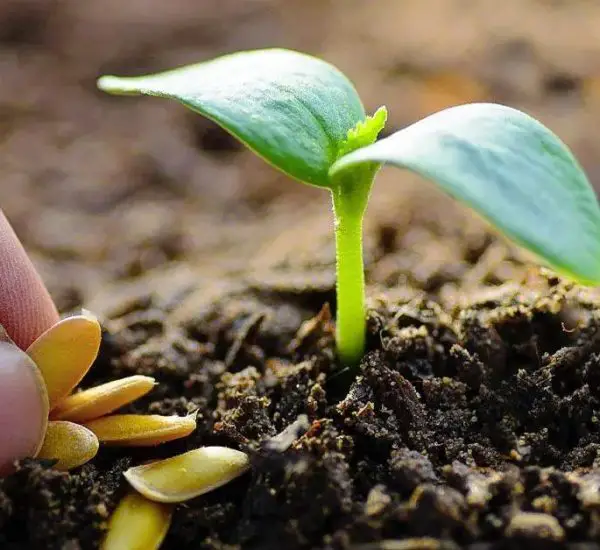
Once your seeds have germinated, plant them in potting soil and keep the soil moist. Place the pot in a bright area, but not in direct sunlight. Within a month, you should see small lemon plants sprouting from the soil. It’s an exciting moment!
Will a Lemon Tree Grown Indoors Produce Fruit?
While growing lemon trees indoors is more about having a beautiful, lush tree, it’s possible (though not guaranteed) to see fruit. With the right care, quality seeds, and a little bit of patience, you might be surprised to see fresh lemons growing on your tree.
Conclusion
By following these simple steps, you can germinate lemon seeds and grow your own lemon tree, bringing the beauty and benefits of fresh lemons right into your home. With a little patience and attention, you’ll soon have your own supply of homegrown lemons to enjoy year-round!