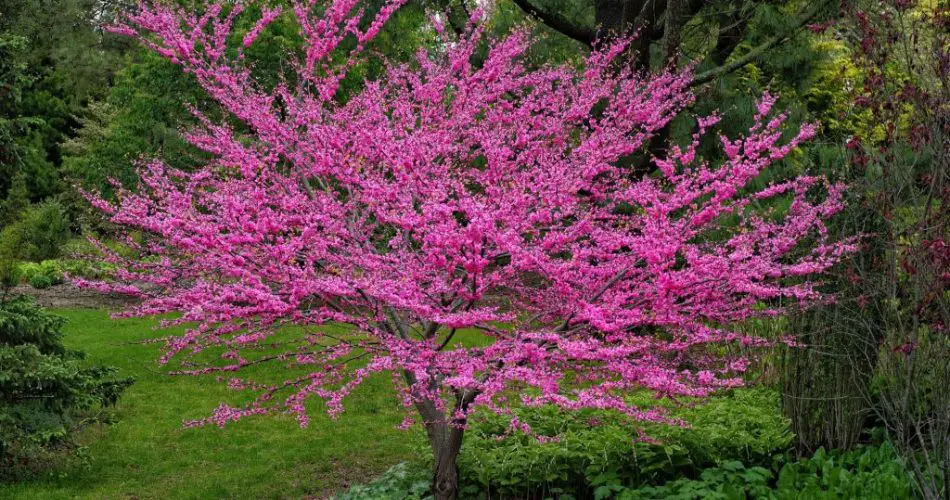
The Judas tree (Cercis siliquastrum) is more than just an ornamental tree—it’s one of the most effective plants for absorbing smog in urban areas. With its stunning pink and magenta blossoms, heart-shaped leaves, and ability to thrive in polluted environments, it has become a favorite for city landscaping. But what makes this tree so special, and how can you grow one yourself?
🌿 Characteristics of the Judas Tree
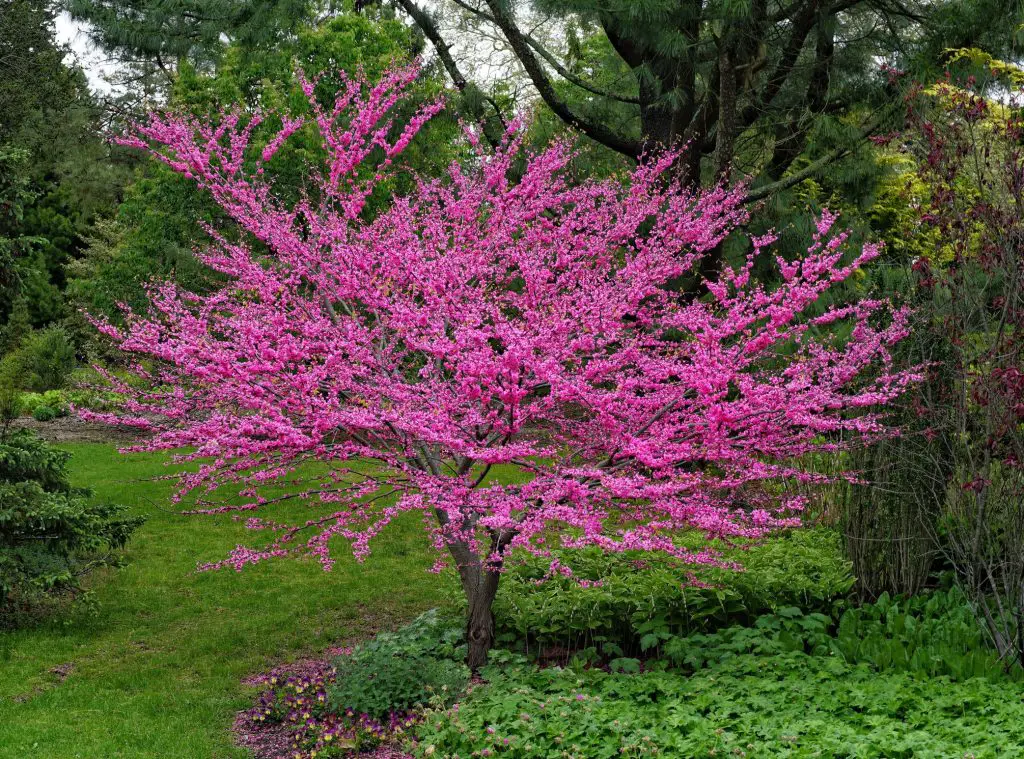
The Judas tree belongs to the Fabaceae family and is native to the eastern Mediterranean. It is a deciduous tree, meaning it sheds its leaves seasonally to make way for new growth.
🌸 Key Features:
✔ Height: Can grow between 5 to 6 meters, with some reaching up to 10 meters.
✔ Leaves: Distinctive heart-shaped foliage.
✔ Flowers: Typically magenta to pink, though rare white-flowered varieties exist.
✔ Trunk Structure: Develops multiple trunks, giving it a unique aesthetic.
Due to its pollution resistance, the Judas tree is widely planted in cities to increase green spaces and improve air quality.
🌍 Where Can You Find the Judas Tree?
This hardy tree thrives in various climates and is widespread across Italy. Outside of Italy, it grows in:
📍 Southern & Southeastern Europe
📍 Asia Minor & the Balkans
📍 The Mediterranean Region
📍 The Caucasus
The ideal habitat for a Judas tree is a sunny location with a warm climate. It flourishes in well-drained soil and tolerates drought well, making it perfect for regions with hot summers.
📖 The Legend of the Judas Tree
According to Christian tradition, this tree is linked to the betrayal of Jesus. It is said that Judas Iscariot gave Jesus his infamous betrayal kiss beneath a Judas tree and later, overcome with guilt, hanged himself from its branches.
Whether fact or myth, this connection has given the tree symbolic meaning, often representing remorse, redemption, and resilience.
🌱 How to Grow a Judas Tree
Interested in growing your own Judas tree? Follow these steps for successful cultivation:
1️⃣ 🌿 Choose the Right Container – Start with pots at least 10 cm in diameter filled with rich compost.
2️⃣ 🌱 Plant in March – Sowing should take place in early spring for the best results.
3️⃣ 💧 Ensure Good Drainage – The Judas tree dislikes excess moisture, so choose well-drained soil.
4️⃣ 🌞 Provide Sunlight – Place the tree in a sunny area to encourage healthy growth.
5️⃣ 🌳 Be Patient – Young trees should stay in pots for a few years before being transplanted into the ground.
With its low maintenance needs and air-purifying qualities, the Judas tree is an excellent addition to any garden or urban space. 🌿💚
Would you plant one in your city or backyard? Let us know your thoughts! 😊