Forsythia, with its vibrant yellow flowers, is a hardy plant that can thrive even in challenging conditions, making it an excellent choice for gardeners looking for a resilient and colorful addition to their home or garden. Native to the Oleaceae family, forsythia includes around 11 species, most of which hail from Eastern Asia, though one variety also grows in the Balkan Peninsula. Whether in the ground or a pot, forsythia requires specific care to flourish. Here’s everything you need to know about growing forsythia in pots.
The Characteristics of Forsythia

Forsythia Vahl (commonly called Forsythia europaea) is a deciduous shrub that loses its foliage each year. This plant can grow to a height of 1 to 3 meters. Forsythia is known for its small, bell-shaped flowers that cluster together in corymbs (a type of inflorescence resembling a bunch). These flowers are delicately scented, adding both beauty and fragrance to your space.
Where to Keep Forsythia
To ensure your potted forsythia grows beautifully, it needs ample sunlight to produce its vibrant flowers. Place your plant near a south-facing or southwest-facing window, where it can receive full sunlight for a few hours a day. Bright light will promote optimal blooming and healthy growth.
How Often Should You Water Forsythia?
Forsythia is highly heat-resistant and, thanks to its native origins in regions with low water resources, it doesn’t require frequent watering. In fact, it’s best to water your forsythia once a week or even less, depending on your local climate. Always check the soil for moisture before watering to avoid overwatering.
When Does Forsythia Bloom?
Typically, forsythia begins to bloom in early spring, between March and April. The plant’s yellow flowers are one of the first signs of spring, adding a cheerful splash of color to the landscape.
How to Make Forsythia Flowers Last Longer
To ensure that your forsythia flowers last as long as possible, proper care is essential. Here are some tips:
- Fertilize: Apply a fertilizer designed for flowering plants in the spring and autumn. Follow the instructions on the packaging for best results.
- Mulch: Add a layer of organic mulch, such as straw, bark, or compost, around the base of the plant. Mulching helps to retain moisture in the soil, reduce water evaporation, and suppress weeds.
Does Potted Forsythia Need to Be Pruned?

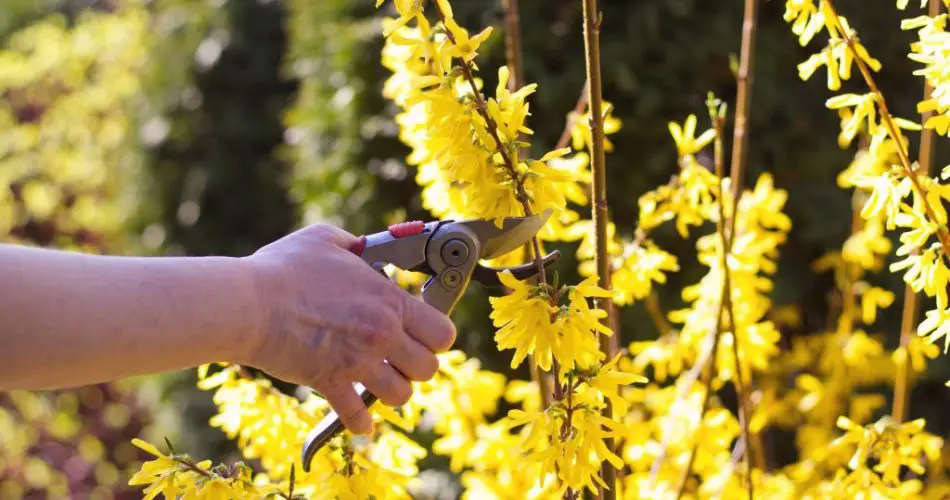
Yes, forsythia benefits from regular pruning, especially when grown in pots. Proper pruning keeps the plant uniform and promotes healthy flowering. Here’s how to prune your potted forsythia:
- Prune After Blooming: Once the blooming period has ended (usually late April to early May), it’s time for the first pruning. This helps remove spent flowers and encourages new growth.
- Secondary Pruning: If necessary, perform a light secondary pruning at the end of summer to remove any dry or damaged branches. This keeps the plant looking neat and healthy.
Conclusion
Forsythia is a beautiful and resilient plant that can thrive in a pot with the right care. By providing it with plenty of sunlight, watering it appropriately, and pruning it at the right times, you can enjoy vibrant yellow blooms year after year. Whether you’re growing forsythia in your garden or indoors in a pot, these tips will help you cultivate a thriving, long-lasting plant.