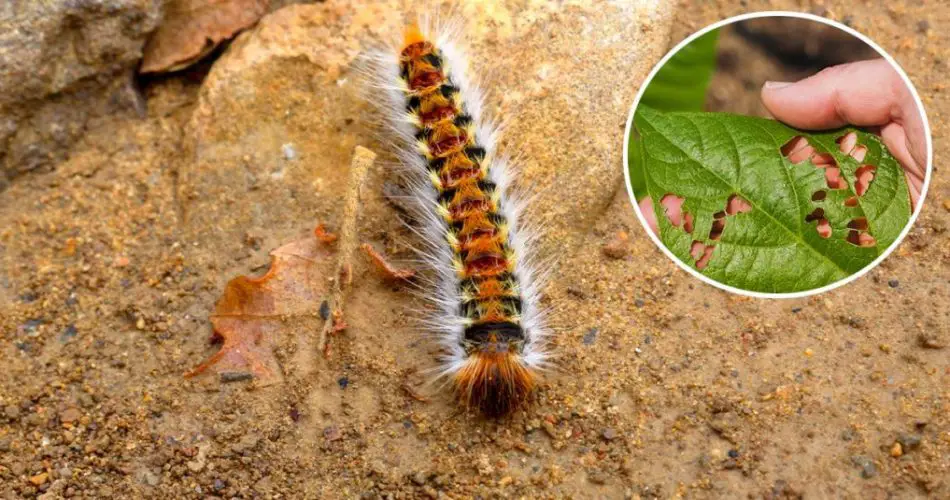
If you discover processionary moths in your garden, it’s important to take the right steps to safely manage the situation. These pests can be dangerous, especially to humans, and require careful handling. In this article, we’ll guide you on how to deal with processionary moths and their nests, and what actions to take for effective removal.
What Are Processionary Moths?

Processionary moths are insects that feed on the leaves of trees, particularly pine and oak trees. There are two main types of processionary moths: the pine processionary and the oak processionary. Both species look like bristly, hairy millipedes, and their larvae are equipped with stinging hairs that can easily become airborne and cause irritation to humans and animals.
These moths usually act in groups from autumn to the end of winter, entering the cocoon and chrysalis stage in spring. During this time, they bury themselves in the ground at a depth of about 15 cm. The adult moths have short lives, typically only 2 days, and are gray with brown streaks.
What to Do if You Find a Processionary in Your Garden
If you come across a processionary caterpillar in your garden, immediate action is necessary. Here’s how you can safely deal with it:
1. Microbiological Treatment
One of the most effective ways to eliminate processionary caterpillars is through microbiological control. The biological insecticide Bacillus thuringiensis kurstaki (Btk) is commonly used. This bacterium paralyzes the caterpillar’s nervous system, killing it within 3 to 4 days. Since the treatment has limited persistence, it’s recommended to repeat the process every 10 to 12 days to ensure full eradication.
What to Do if You Find a Processionary Nest
If you find the nest of processionary moths, removing it is crucial. If the infestation is severe, you might need to remove the entire plant. The best months for mechanical nest removal are December, January, and February, when the nests are more visible and the larvae are still in their early stages.
What to Do if You Find a Solitary Processionary
If you spot a single processionary caterpillar or a small group, avoid handling them directly, as their stinging hairs are hazardous. The best course of action is to call a professional — a gardener or pest control expert — who can safely remove the insect.
Natural Remedies to Eliminate Processionary Caterpillars

If you’re looking for a more natural way to manage processionary caterpillars, you can rely on certain animals that help control the population:
Ladybugs (Calosoma sycophanta): These insects are active predators of the larvae.
Flies (Compsilura concinnata): This species acts as a parasitoid of the larvae.
Bees (Apanteles genus): These bees also contribute to the biological control of larvae.
Birds:
Blue tits: These birds peck at the nests, creating cracks that expose the larvae to cold temperatures.

Hoopoes: Known for tracking down processionary larvae, even burrowing underground to find them.

Conclusion
Managing processionary moths in your garden requires caution and the right approach. From using biological insecticides to enlisting the help of natural predators or calling in professional pest control services, there are multiple ways to protect your yard from these dangerous pests. Always prioritize safety, and remember, if you’re ever in doubt, it’s best to seek professional help for nest removal and caterpillar control.


