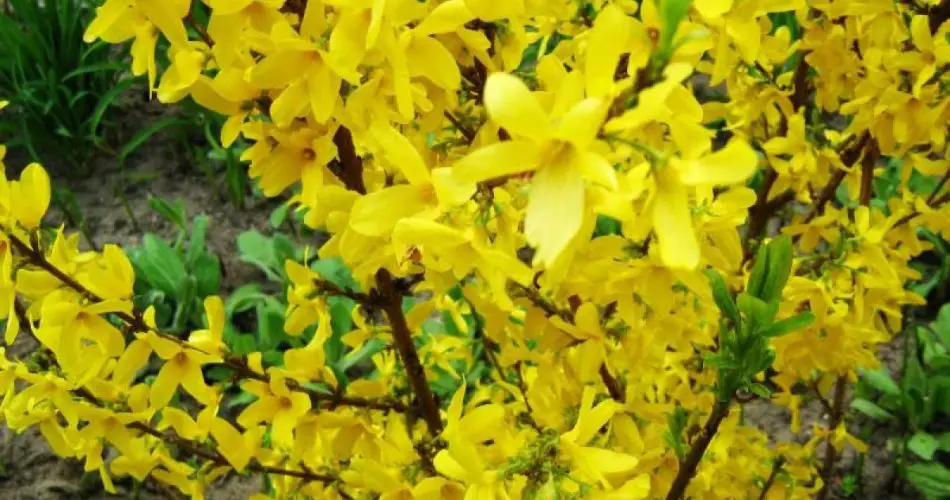
With its bright yellow flowers that bloom in early spring, forsythia is a favorite among gardeners. However, this stunning shrub is also susceptible to pests and fungal diseases that can damage its leaves, weaken its roots, and reduce its lifespan.
By learning how to identify and prevent these issues, you can ensure your forsythia remains healthy and vibrant year after year.
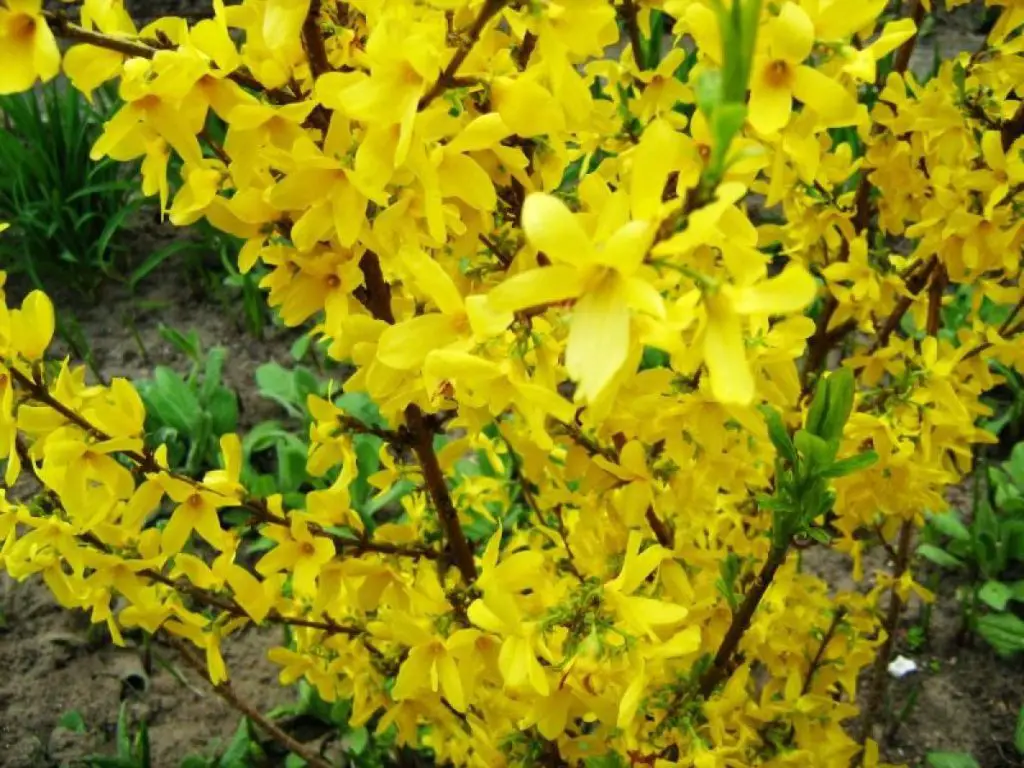
🌿 Common Forsythia Diseases and Pests
Like any plant, forsythia requires regular monitoring to catch problems early. If left untreated, infections and infestations can spread quickly, damaging both the health and beauty of your plant.
The most common forsythia problems include:
✔ Aphids – Tiny insects that suck plant sap, weakening the leaves and causing curling or yellowing.
✔ Cochineal insects (Scale insects) – Small, round pests that cling to branches and secrete a sticky substance that attracts mold.
✔ Root rot – A fungal disease caused by overwatering or poor drainage, leading to wilting and blackened roots.
✔ Powdery mildew – A white, powder-like fungus that covers leaves and blocks sunlight absorption.
✔ Leafminer moths – Tiny larvae that burrow into leaves, creating brown trails and weak spots.
🧐 Tip: If your forsythia has spots, wilting leaves, or an unusual appearance, check the soil and watering habits before assuming it has a disease. Overwatering and excessive sunlight can also cause stress.
💧 The Best Way to Water Forsythia
Proper watering is crucial to prevent fungal diseases and keep your forsythia thriving. Here’s how to do it right:
✔ Water only when the soil is dry – Stick your finger into the soil; if it feels damp, wait before watering.
✔ Water once a week in autumn and winter – Forsythia needs less water during cooler months.
✔ Increase watering to twice a week in summer – Hotter temperatures dry out the soil faster.
✔ Avoid watering the leaves – Wet leaves promote fungal growth and rot.
✔ Use well-draining soil – A loose, aerated mix helps prevent root rot by allowing excess water to escape.
🌱 How to Prevent Forsythia Pests Naturally
Instead of using chemical pesticides, which can be harmful to your health and the environment, try these natural solutions to keep pests away:
✔ Garlic infusion – Garlic has strong antibacterial properties that repel pests.
✔ Nettle macerate – A natural insecticide that strengthens plants and keeps aphids at bay.
✔ Marseille soap solution – Mix with water and spray on infested areas to remove scale insects.
✔ Neem oil – A powerful organic pesticide that kills aphids and mites.
✔ Pyrethrum – A natural extract from chrysanthemum flowers, used as an eco-friendly insecticide.
🌼 Forsythia: A Resilient Spring Favorite
Forsythia is a stunning and easy-to-care-for plant, but it does require regular maintenance to stay strong and disease-free. By watering properly, monitoring for pests, and using natural remedies, you can ensure your garden stays vibrant and full of yellow blossoms every spring.
Have you had any issues with your forsythia? Let us know your experience and how you keep it healthy! 🌿✨