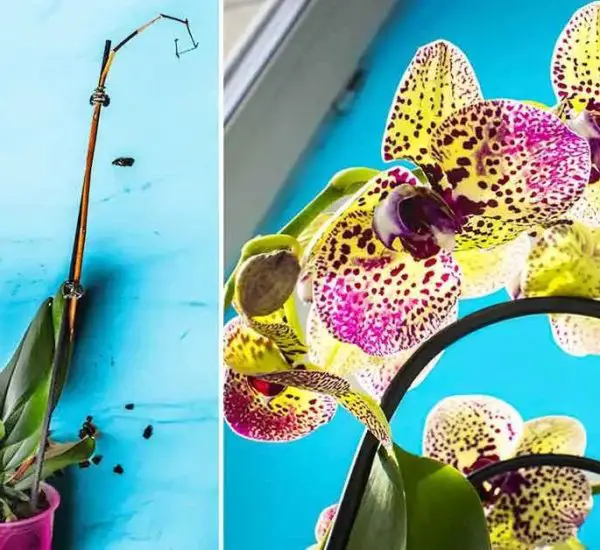
The orchid has long been a symbol of love, charm, and sensuality. With its exquisite colors and delicate petals, this tropical plant adds an elegant and romantic touch to any home. However, growing orchids indoors can be a challenge if you don’t know the right techniques.
In this guide, we reveal four essential secrets to help you grow thriving, long-lasting orchids and enjoy their breathtaking blooms!
🌱 1. Master the Art of Repotting
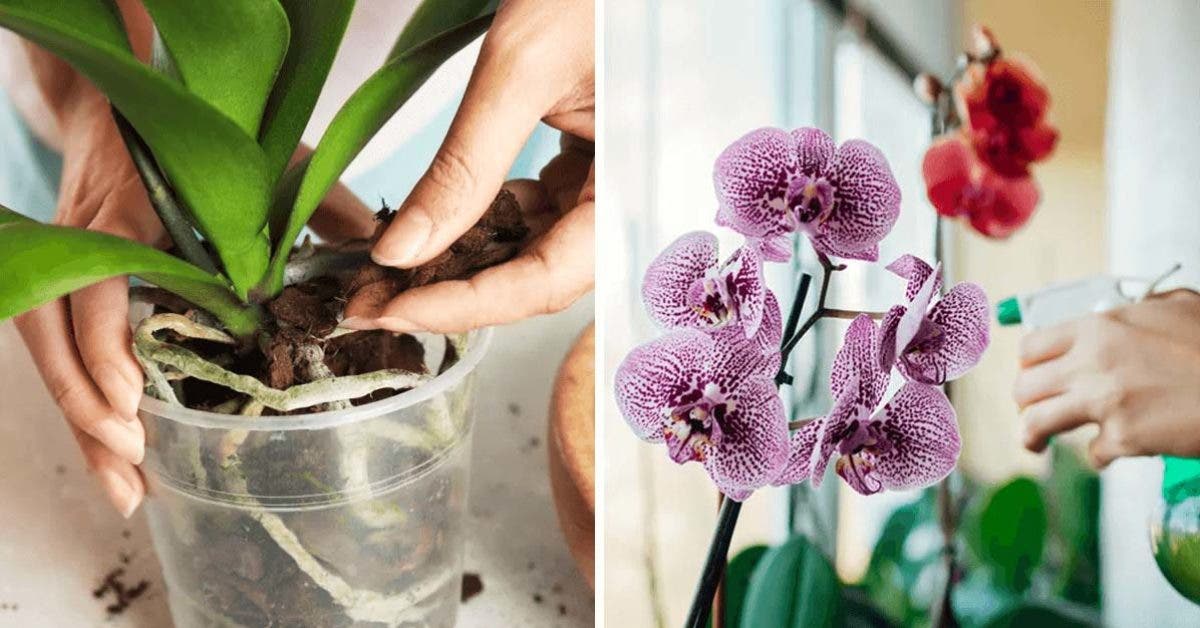
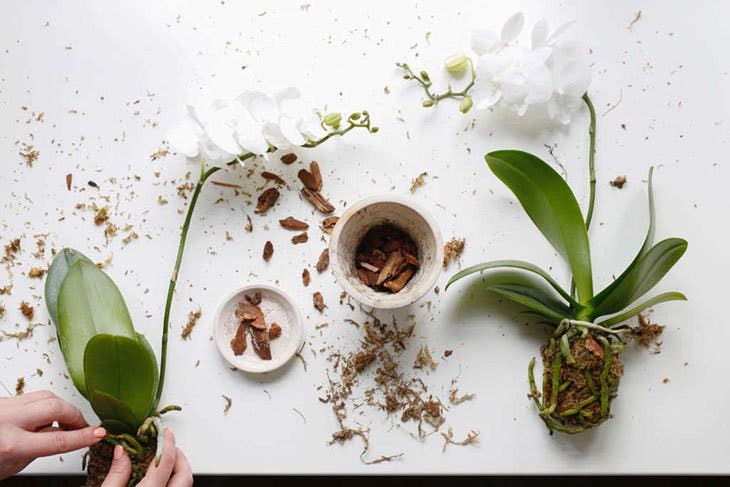
Repotting is a crucial step in maintaining a healthy orchid. It should be done shortly after purchase and then every 2–3 years to keep the plant in optimal condition.
How to Repot an Orchid Properly?

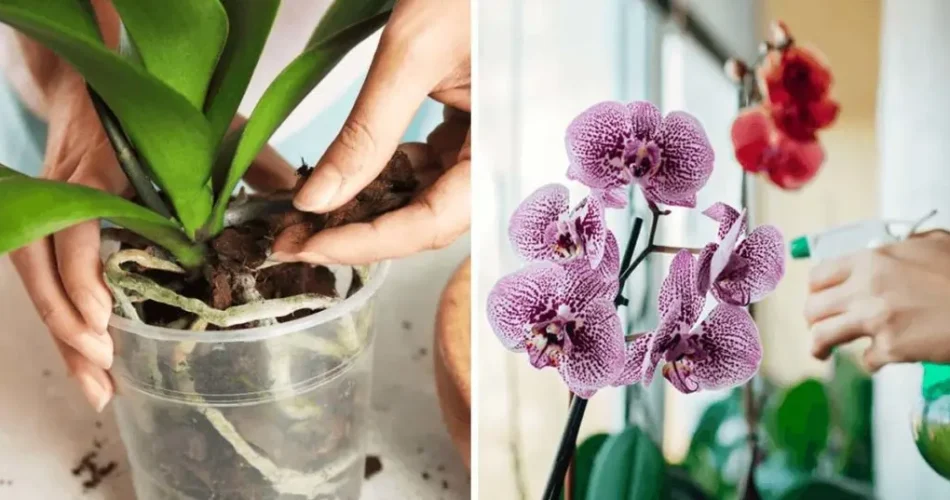
✔ Inspect the roots – Remove the orchid from its pot and rinse the roots under water.
✔ Trim dead roots – If the root is soft, it needs to be cut off. If it’s firm, it’s still alive.
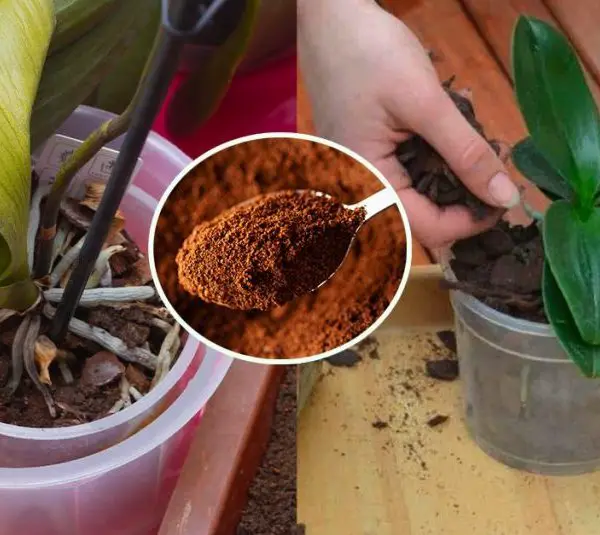
✔ Choose a new pot – Select a transparent plastic pot to monitor root health easily.
✔ Use the right soil – Orchids require special potting mix made of coconut fibers, charcoal, bark mulch, and clay balls for proper aeration.
✔ Fertilize wisely – Use liquid fertilizer once a month, but avoid over-fertilizing as it may stop blooming.
☀ 2. Provide the Perfect Light & Temperature
Orchids love light, but too much direct sunlight can burn their leaves. Instead, place them in a bright, well-lit room with filtered light.
Optimal Conditions for Orchid Growth
✔ Temperature: Keep them between 18°C–25°C (64°F–77°F).
✔ Avoid drafts & heating equipment: Radiators and air vents can dry out your plant.
✔ Humidity matters: Orchids prefer a humid environment, so misting them occasionally can help.
💡 Pro Tip: If your orchid isn’t blooming, try moving it to a brighter location or adjusting the temperature slightly!
💧 3. Get Watering Just Right
Orchids require regular but careful watering. The key is to avoid overwatering, which can lead to root rot and fungal infections.
Best Watering Practices
✔ Water once a week – Increase slightly during the growing season.
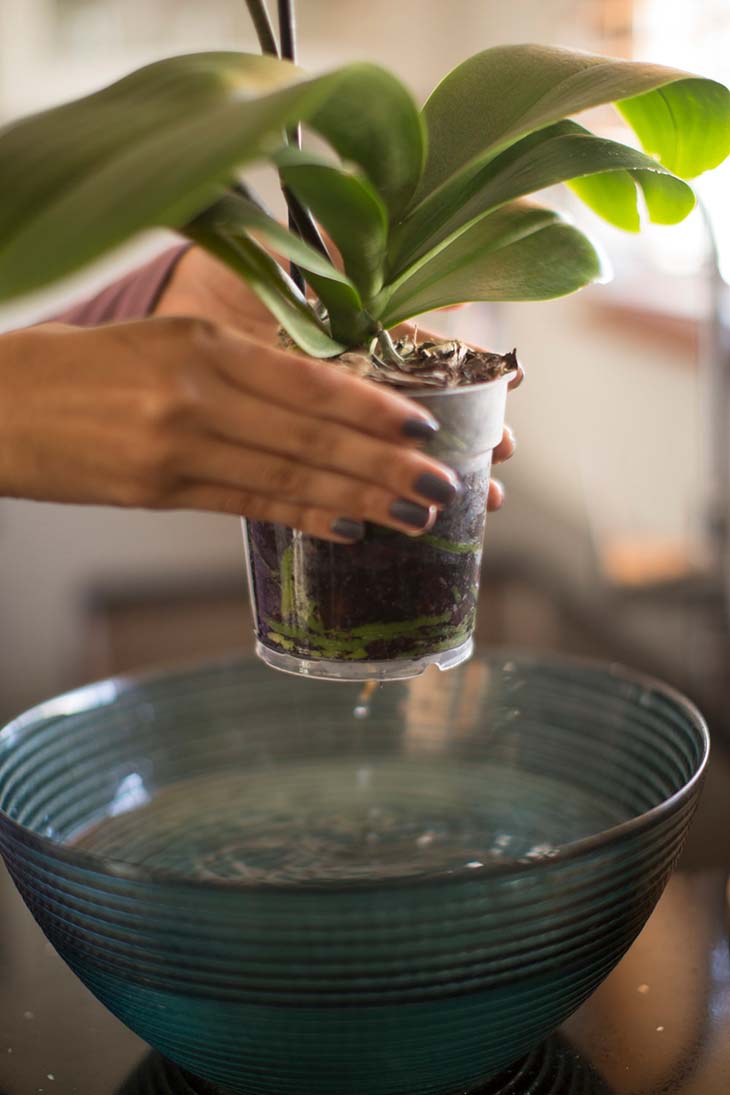
✔ Use the soaking method – Place the pot in a basin of water for 5–10 minutes, then drain thoroughly.
✔ Avoid stagnant water – Always empty excess water from the planter.
✔ Use the right water – Orchids dislike hard tap water; use filtered or rainwater instead.
✔ Mist the leaves occasionally to maintain humidity.
💡 Signs of Dehydration: If your orchid’s roots turn gray, it’s a sign that it needs watering!
🦠 4. Protect Your Orchid from Pests & Diseases
Even with proper care, orchids can be vulnerable to certain pests and diseases.
Common Orchid Pests
🐜 Aphids – Small insects that suck sap from leaves.
🕷️ Red spiders – Can cause leaves to yellow and dry out.
🦠 Scale insects – Look like tiny bumps on stems and leaves.
Common Orchid Diseases
✔ Botrytis – A fungal infection causing gray mold on flowers.
✔ Anthracnose – Identified by black spots on leaves.
💡 Natural Remedies: Use black soap or onion juice as a natural insecticide to keep pests at bay!
🌺 Enjoy Long-Lasting, Stunning Orchid Blooms
With the right care, repotting, lighting, watering, and pest control, even beginners can grow beautiful, thriving orchids. By following these four secrets, you’ll be able to keep your orchids healthy and enjoy their stunning blooms for years to come!
🌿 Ready to turn your home into a tropical paradise? Start caring for your orchids today and let their beauty brighten your space! 💜✨