Growing Cowpeas All Year Round: Simple Tips for a Continuous Harvest
Introduction:
Cowpeas, also known as black-eyed peas, are a versatile and nutritious legume that can be a valuable addition to your home garden. With a few straightforward tips, you can enjoy a continuous harvest of fresh cowpeas throughout the year. Here’s how I managed to grow and enjoy these tasty legumes consistently.
- Select the Right Cowpea Variety: Choose a cowpea variety suited for year-round cultivation. Some varieties are more resilient to temperature fluctuations and can thrive in various growing conditions.
- Planting Schedule: Cowpeas are warm-season crops, so it’s crucial to time your planting accordingly. In regions with mild winters, you can plant them directly in the soil during spring. For colder climates, start them indoors a few weeks before the last frost and transplant them once the weather warms up.
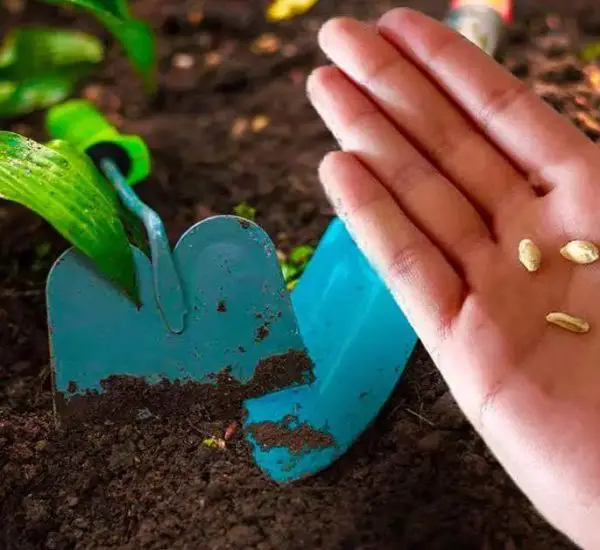
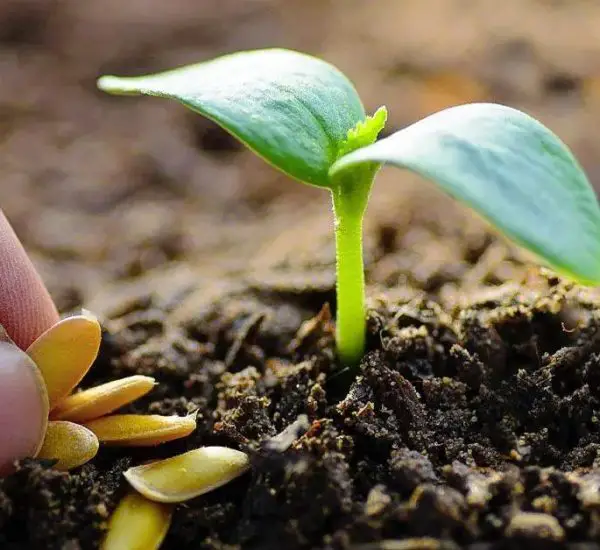
- Successive Planting: To ensure a continuous harvest, practice successive planting. Sow new batches of cowpea seeds every two to three weeks. This staggered planting schedule helps in extending the harvest period.
- Optimal Growing Conditions: Cowpeas thrive in full sunlight and well-drained soil. Ensure your garden bed or containers receive ample sunlight and provide proper irrigation to keep the soil consistently moist but not waterlogged.
- Fertilization: Cowpeas are relatively low-maintenance, but a well-balanced fertilizer can boost their growth. Apply a nitrogen-rich fertilizer at the beginning of the growing season and a phosphorus-rich one when the plants start flowering.
- Mulching: Apply a layer of organic mulch around the cowpea plants. Mulching helps retain soil moisture, suppress weeds, and regulate soil temperature, creating an optimal environment for continuous growth.
- Pest Management: Keep an eye out for common pests, such as aphids or bean beetles. Regularly inspect your plants, and if necessary, use organic pest control methods to protect your cowpeas without resorting to harmful chemicals.
- Harvesting: Cowpeas are ready for harvest about 60 to 90 days after planting, depending on the variety. Harvest the pods when they are young and tender to encourage the plant to produce more. Regular harvesting stimulates continuous flowering and ensures a prolonged harvest season.
- Saving Seeds: If you want to make your cowpea cultivation truly sustainable, consider saving some seeds from each harvest. Drying and storing the seeds properly will allow you to use them for the next planting season.
Conclusion:
Growing cowpeas all year round is not only achievable but also a rewarding experience. With the right variety, planting schedule, and a bit of care, you can enjoy a continuous supply of fresh and nutritious cowpeas straight from your garden. Follow these simple tips, and soon you’ll find yourself harvesting this delicious legume throughout the seasons.