Why the Smell of Fresh Grass Can Be a Warning Signal:
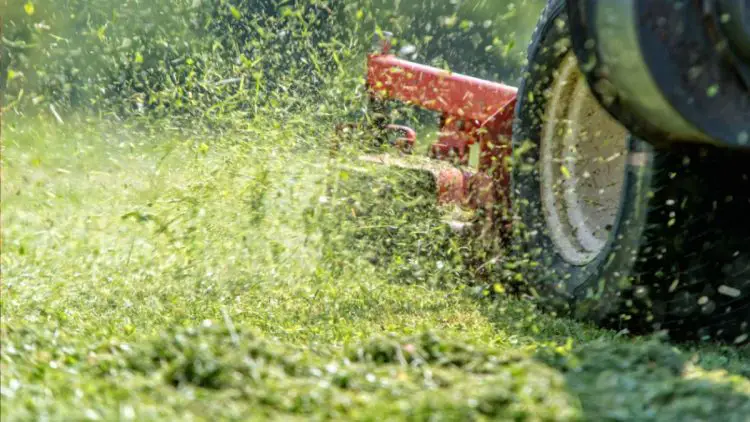
The pleasant scent of freshly mown grass is often associated with summer days and well-tended gardens, evoking positive emotions and memories. However, in nature, this smell serves as a warning signal.
Components of the Grass Smell:
- The distinct odor comes from compounds like cis-3-hexenol, also known as “leaf odor,” along with aldehydes and alcohols.
- These compounds aid in turf healing, boost metabolism, and protect cut grass blades from infections.
The Warning Signal:
- The smell of freshly cut grass acts as a deterrent to predators, particularly hungry insects.
- Cis-3-hexenol, in particular, can be toxic to certain parasites.
- In gardens with regular mowing, the odor is released more frequently due to the constant stress on the grass.
Stress and Lawn Maintenance:
- Frequent mowing and regrowth put the lawn under constant stress, leading to increased production of cis-3-hexenol.
- The scent signals potential threats and aims to deter predators from the stressed grass.
Robotic Lawnmowers as an Alternative:
- Robotic lawnmowers, by cutting grass more gently, release smaller amounts of the odorous substance.
- This method, known as mowing mulching, allows grass clippings to stay on-site, acting as a natural fertilizer.
- Supervision is recommended even with robotic lawnmowers to prevent harm to animals.
While the smell of fresh grass is enjoyable for humans, it serves a crucial role in nature by acting as a warning signal and deterring potential threats to the stressed grass. Choosing alternative lawn maintenance methods, such as robotic lawnmowers, can help mitigate the release of these warning odors.
Show Comments