Planting, pruning, and caring for a cherry tree require careful attention to detail to ensure a healthy and fruitful tree. Here’s a summary of the key points:
- When to Plant: The best time to plant a cherry tree is during the winter months when the tree is dormant. However, if you live in a region with mild winters, spring planting may also be suitable. Choose a spot with well-drained soil and ample sunlight exposure.
- Preparing the Soil: Assess the soil composition and drainage to ensure it’s suitable for cherry tree growth. Enrich the soil with organic matter like compost and ensure proper drainage to prevent waterlogging, which can lead to root rot.
- Choosing the Location: Select a location with at least 6 hours of direct sunlight per day and protection from strong winds. Avoid areas prone to water stagnation and consider the tree’s mature size when planting.
- Selecting the Variety: Consider factors like climate, tree size, fruit characteristics, and pollination requirements when choosing a cherry tree variety for your garden. Purchase trees from reliable suppliers to ensure quality and health.
- Watering, Fertilizing, and Pruning: Water cherry trees regularly, especially during dry periods, and fertilize with fruit tree-specific fertilizers in spring and autumn. Prune the tree during its dormant period to remove dead or diseased branches and promote healthy growth.
- Protecting from Diseases and Pests: Take preventive measures such as cleaning around the tree and applying fungicides early in the season to prevent fungal diseases. Use natural or chemical insecticides if pests become a problem, but follow instructions carefully.
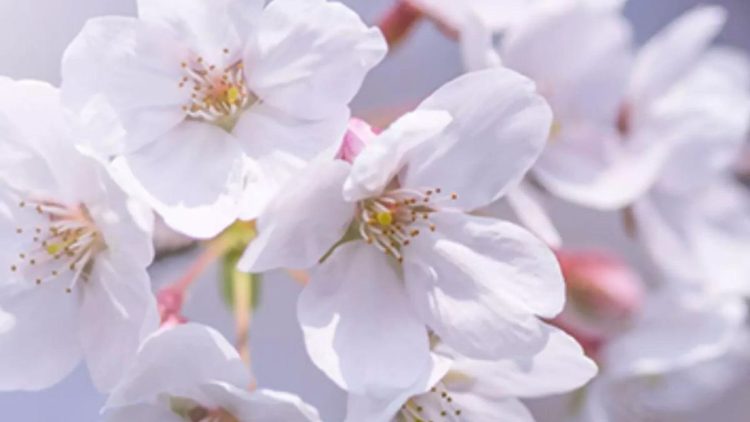
- Harvesting: Cherry trees typically bloom in late April or early May, with fruit harvesting beginning between June and July. Look for signs of ripeness such as color change and ease of fruit removal from the tree.
- Storing and Using Cherries: Wash and dry ripe cherries carefully before storing them in the refrigerator or freezing them for later use. Cherries can be used in various culinary applications, including jams, juices, desserts, and more.
By following these tips, you can enjoy the beauty of a cherry tree in your garden and savor its delicious fruits for years to come.
Show Comments