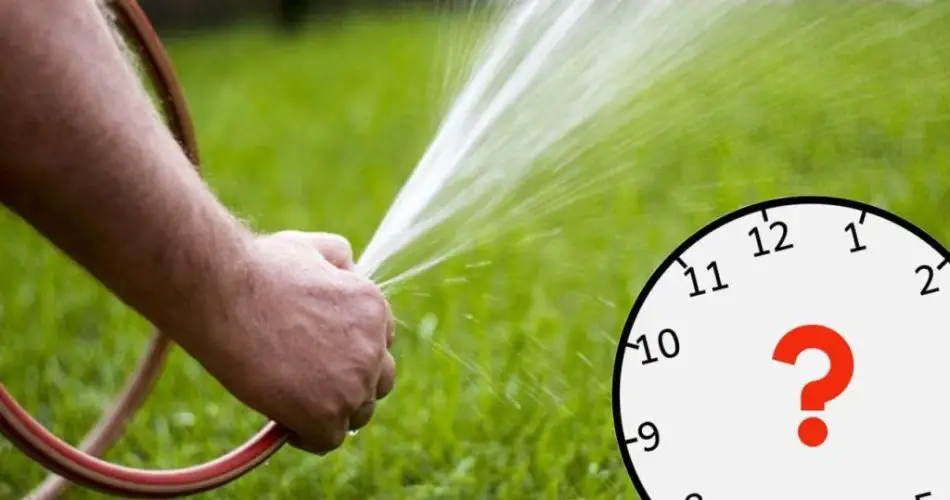
Keeping your lawn vibrant and healthy during the scorching summer months can be challenging. To ensure your grass remains green and lush, timing your watering correctly is crucial. Here’s a guide on the best practices for watering your lawn in the summer.
Optimal Watering Practices for a Summer Lawn
During the summer, your lawn requires careful attention to stay healthy amid intense heat and limited rainfall. Proper irrigation is essential to maintain its beauty and vitality. Here are some key tips to keep your lawn looking its best:
- Water Quantity: Aim to apply about 2.5 centimeters of water each week. This helps ensure the grass receives adequate hydration. The exact amount may vary based on soil type and weather conditions.
- Tread Test: Use the “tread test” to gauge if your lawn needs water. Walk across the lawn; if the grass does not bounce back quickly, it’s time to water. Avoid letting water pool on the surface, as this can lead to fungal diseases.
- Check Irrigation Efficiency: Regularly inspect your irrigation system for leaks or damage. Adjust sprinkler heads and consider using smart irrigation systems, such as soil moisture sensors, to tailor watering to your lawn’s actual needs.
Best Time to Water Your Lawn
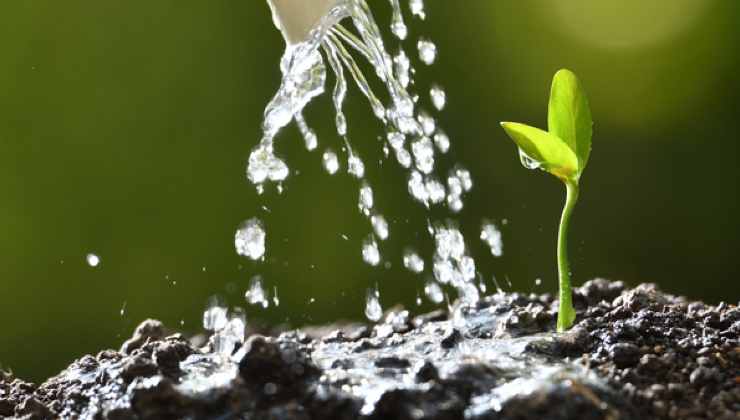
Timing is critical for effective watering. To maximize water absorption and minimize evaporation, follow these guidelines:
- Early Morning: The best time to water your lawn is early in the morning, before the sun is fully up. This allows the water to soak into the soil before temperatures rise and reduces the risk of evaporation.
- Late Evening: If morning watering is not feasible, the late evening is the next best option. Watering too late at night can sometimes lead to increased disease risks, so try to finish watering before dark.
- Avoid Midday: Refrain from watering during the hottest parts of the day, as the sun will quickly evaporate the water, rendering it ineffective and potentially wasting resources.
Final Tips for a Healthy Lawn

- Water Deeply but Less Frequently: Instead of frequent shallow watering, opt for deeper, less frequent sessions. This encourages grass roots to grow deeper and improves drought resistance.
- Monitor Weather Conditions: Adjust your watering schedule based on recent rainfall and forecasted weather to prevent over or under-watering.
By adhering to these watering practices, you can maintain a lush, green lawn throughout the summer months. Proper timing and efficient irrigation will help your lawn thrive despite the challenges of the season.